30 30 30 Fire Rule Guide: Essential Facts for 2026
Every year, wildfires threaten more Los Angeles neighborhoods, leaving homeowners anxious about their safety and the future of their properties. Southern California’s unique climate has made wildfire season longer and more dangerous than ever before.
This guide is designed to help you understand the 30 30 30 fire rule and why it is critical for anyone living in the Los Angeles area. By learning how temperature, humidity, and wind combine to create extreme wildfire conditions, you can take the right steps to protect your home in 2026 and beyond.
Inside, you’ll find a clear explanation of the rule, why it matters, practical actions you can take, advanced home defense solutions, and the essential facts every LA homeowner needs to know.
Ready to take control of your wildfire risk? Let’s get started.
Understanding the 30 30 30 Fire Rule
As wildfire defense experts at Matador Fire, we know how vital it is for Los Angeles homeowners to understand the 30 30 30 fire rule. This guideline is a powerful predictor of wildfire risk, helping you know when conditions are most dangerous and when to take action. Let’s break down what it means, why it’s so significant for our region, and what you need to watch for as we move toward 2026.
What is the 30 30 30 Fire Rule?
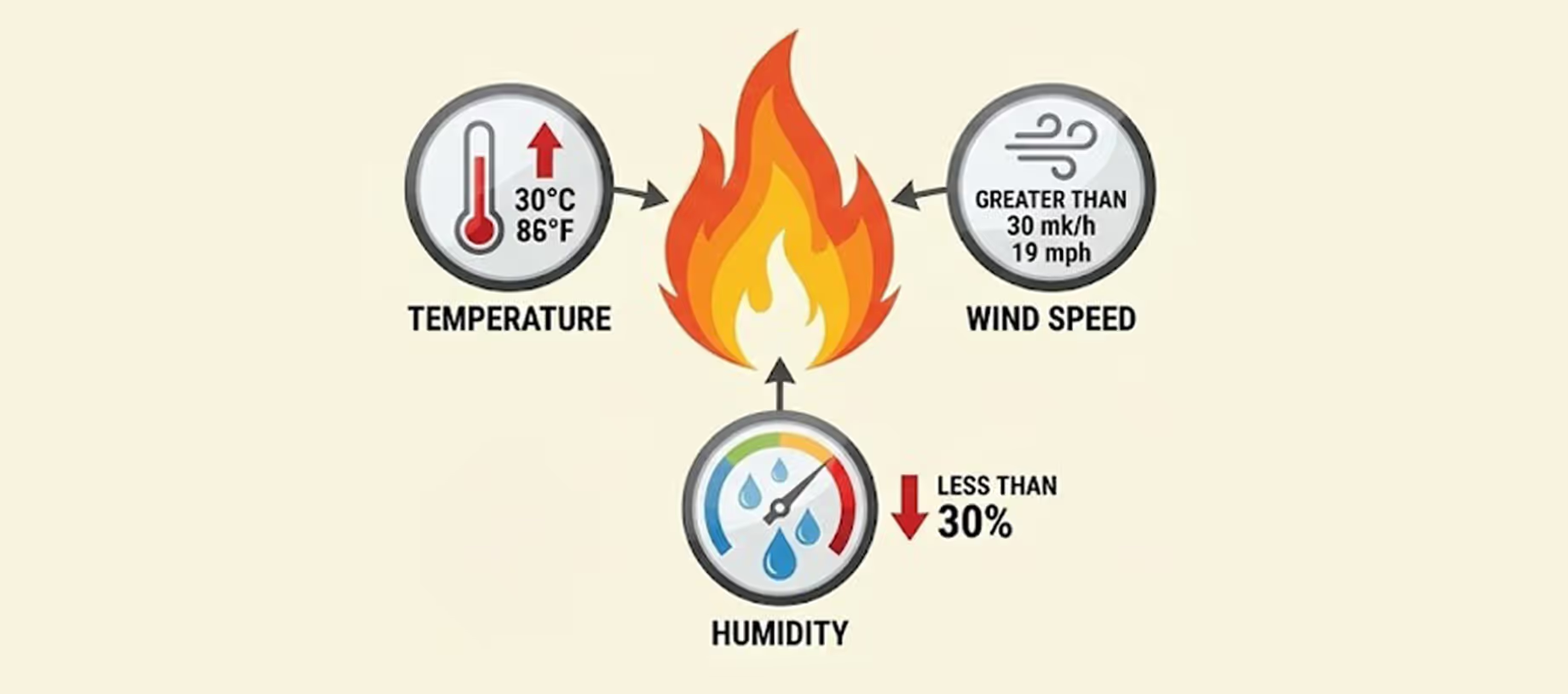
The 30 30 30 fire rule is a critical benchmark in wildfire science. It refers to the simultaneous occurrence of three specific weather conditions: a temperature of 30°C (86°F) or higher, relative humidity at or below 30 percent, and sustained winds of 30 kilometers per hour (about 18 miles per hour) or more. When these thresholds are met, the risk of wildfire ignition and rapid spread increases dramatically.
Fire agencies and meteorologists developed the 30 30 30 fire rule after decades of studying wildfire behavior. These conditions create a perfect storm for fires to start and grow out of control. For example, during the 2018 Woolsey Fire and the 2019 Getty Fire, all three elements were present, leading to devastating loss.
If you want to dive deeper into why these factors matter, visit our guide on Understanding Wildfire Behavior.
Why the 30 30 30 Rule Matters in Los Angeles
Los Angeles is uniquely vulnerable to the 30 30 30 fire rule because of its Mediterranean climate, rugged terrain, and mix of urban and wildland areas. In LA County, these conditions appear more frequently than many realize, especially in late summer and fall.
Historical data shows that LA experiences 30 30 30 days multiple times each fire season. During such periods, fires like the Woolsey and Getty blazes spread rapidly from canyons into residential neighborhoods. The combination of dry vegetation, high temperatures, and strong winds can threaten both hillside homes and dense suburban communities.
Whether you live near the wildland-urban interface or in the city, the 30 30 30 fire rule means you must stay vigilant and prepared.
How Fire Agencies Use the 30 30 30 Fire Rule
Fire agencies rely on the 30 30 30 fire rule to assess fire danger and allocate resources. When these weather conditions are forecast, fire departments elevate their readiness, deploy additional crews, and stage equipment closer to high-risk zones.
Public warnings, such as Red Flag Days, are triggered when the 30 30 30 fire rule is met. These alerts inform residents that wildfire risk is extreme and that extra precautions are necessary. Fire suppression tactics also shift, with agencies focusing on rapid containment and prioritizing evacuations in the most threatened areas.
Coordination with meteorological agencies ensures that real-time data guides every decision, keeping communities as safe as possible.
Key Facts and Data for 2026
Looking ahead to 2026, projections indicate that the number of days meeting the 30 30 30 fire rule in Southern California will likely increase due to ongoing climate change. In recent years, Los Angeles County has seen a steady rise in Red Flag Warnings, with over 40 issued in 2023 alone.
Experts anticipate that by 2026, we could see a 20 percent increase in 30 30 30 days. This means homeowners must expect longer fire seasons and more frequent periods of extreme risk. Staying informed about these trends and adjusting your preparedness plans is essential for protecting your home and family.

The Science Behind Wildfire Risk During 30 30 30 Conditions
Wildfire risk in Los Angeles spikes when the 30 30 30 fire rule is met. As wildfire defense experts, we see firsthand how these weather conditions accelerate fire behavior and threaten homes. Understanding the science behind these risks empowers homeowners to take the right actions before, during, and after Red Flag Warnings.
How Temperature, Humidity, and Wind Drive Wildfire Behavior
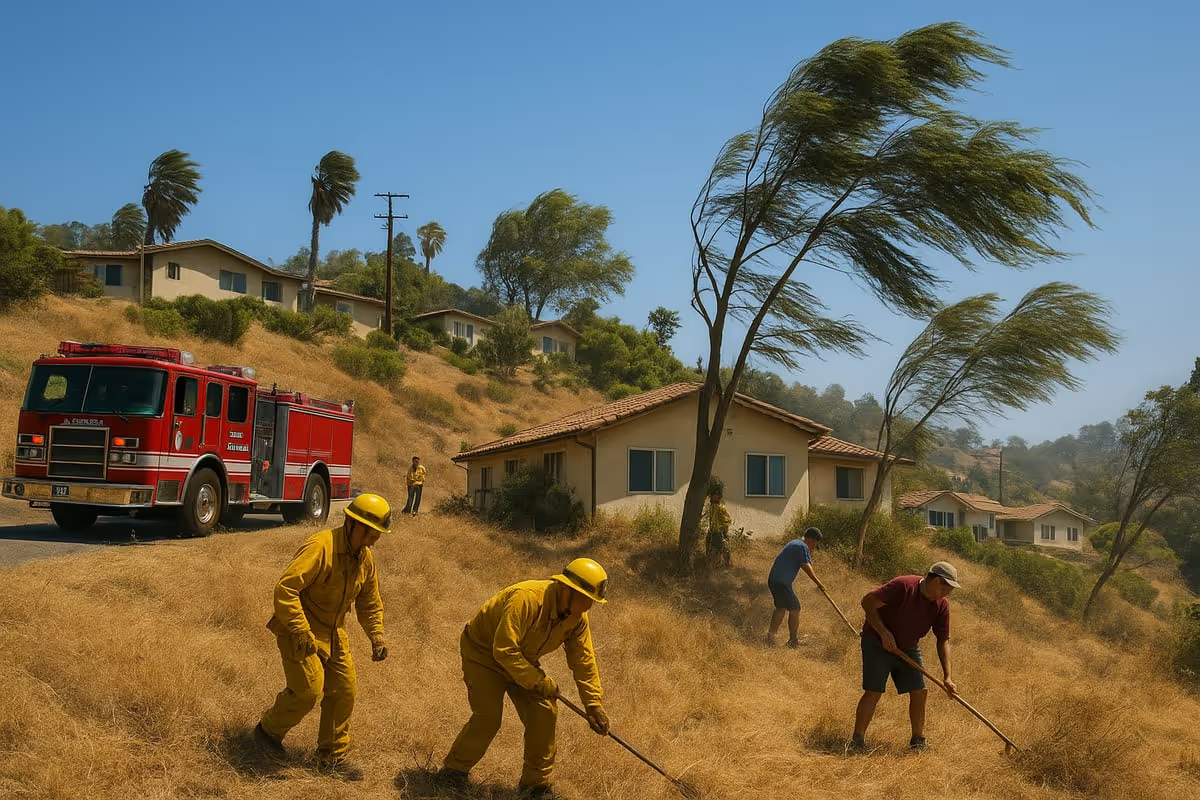
The 30 30 30 fire rule highlights how three weather elements combine to create explosive fire conditions. High temperatures, specifically 30°C or above, pull moisture from soil and plants, making natural fuels extremely dry. When humidity drops to 30 percent or less, vegetation loses even more moisture, turning shrubs, grass, and trees into tinder. Add wind speeds of at least 30 km/h, and any spark can become a fast-moving wildfire.
Wind is especially dangerous under the 30 30 30 fire rule. It not only pushes flames rapidly but also carries embers long distances, igniting spot fires far from the main blaze. In recent years, Los Angeles wildfires like the Woolsey and Getty Fires erupted during these exact conditions, spreading quickly through canyons and urban neighborhoods. Recognizing this pattern allows us to prepare and respond effectively.
The Wildland-Urban Interface (WUI) and Home Vulnerability
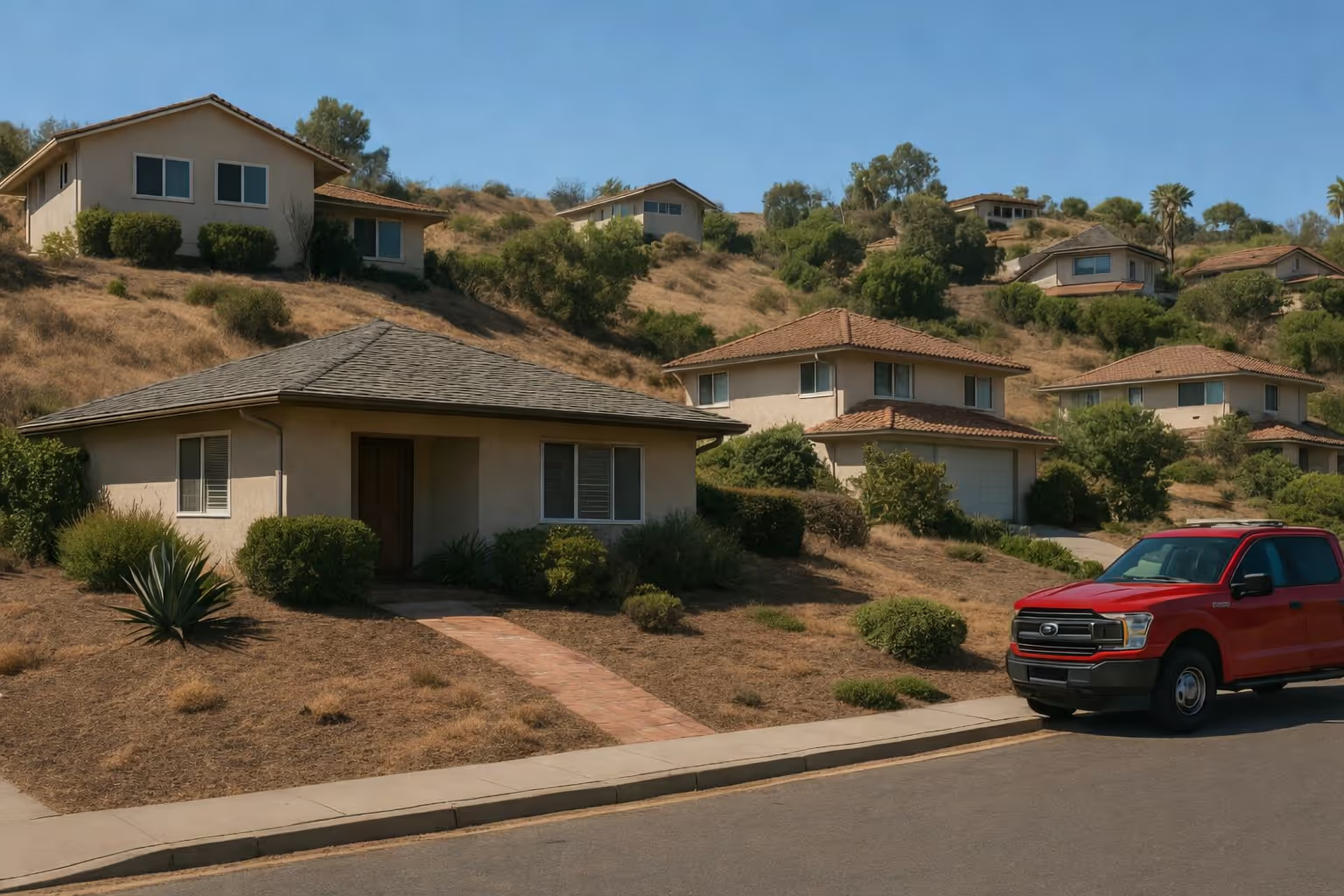
Many Los Angeles homes sit in the wildland-urban interface, or WUI, where development meets natural vegetation. The 30 30 30 fire rule is especially relevant here because these areas are most exposed to wildfire threats. Steep hillsides, dry brush, and proximity to undeveloped land mean that homes face a higher risk of ignition when critical weather thresholds are reached.
Common vulnerabilities in the WUI include:
- Roofs with flammable materials
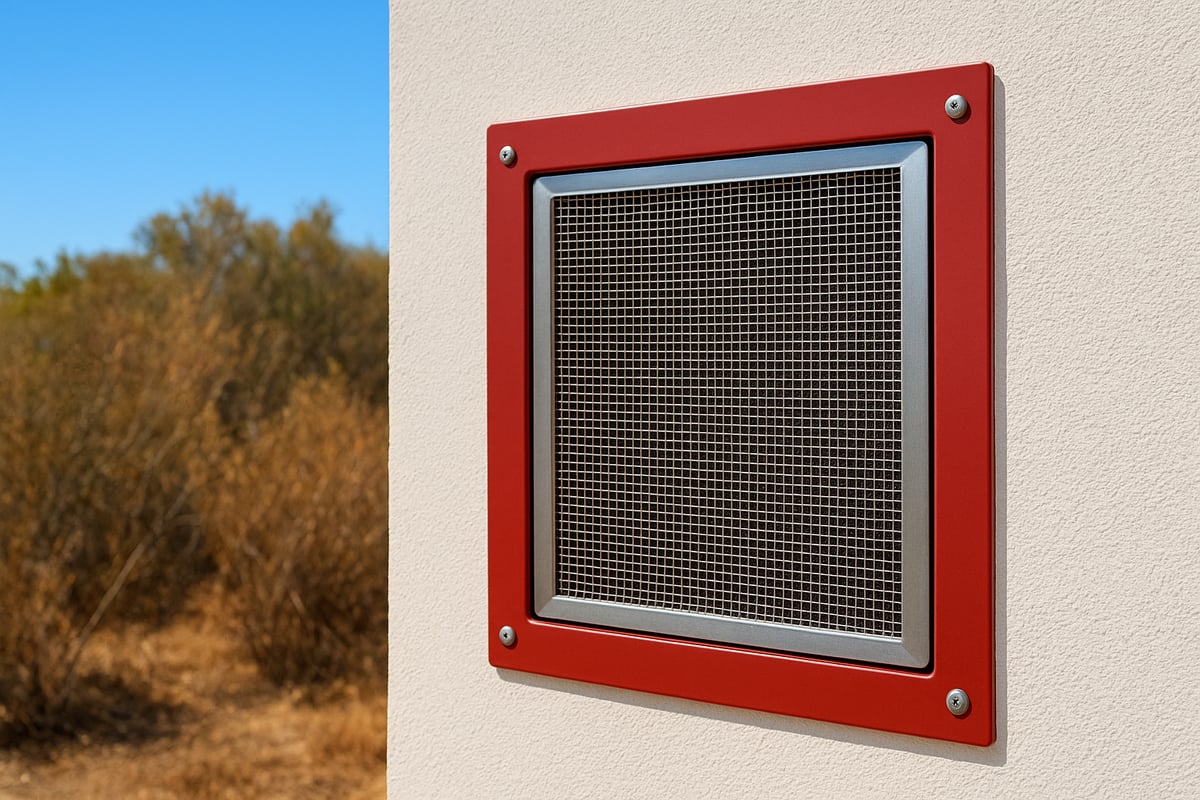
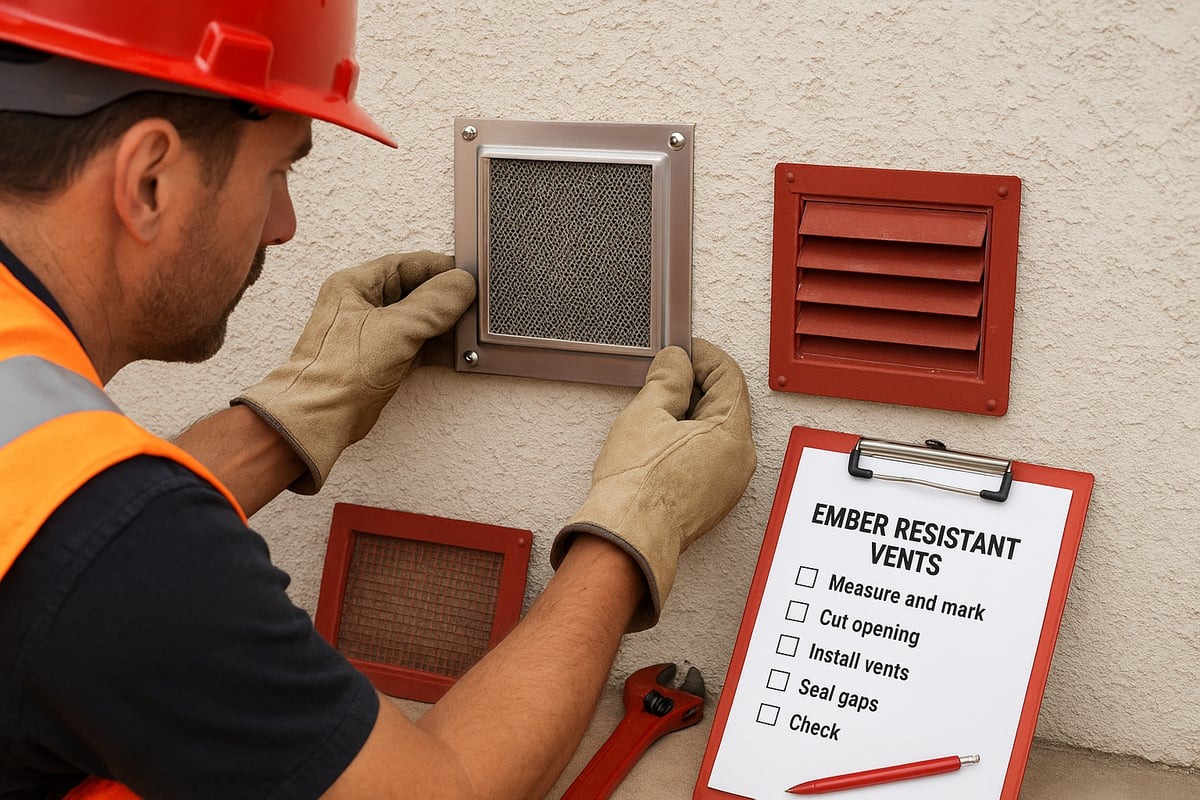
- Vents that allow embers to enter attics
- Landscaping with dry or unmanaged vegetation
When the 30 30 30 fire rule is in effect, these weak points become dangerous. Even homes in seemingly safe neighborhoods need to be vigilant, as embers can travel over a mile and ignite structures far from the fire line.
Ember Storms and Spot Fires
During 30 30 30 fire rule conditions, embers become the primary cause of home ignition. High winds and ultra-dry air create what firefighters call "ember storms," where thousands of burning particles are carried through the air. These embers can land on roofs, in gutters, or enter homes through vents, starting new fires even when the main blaze is far away.
A striking example occurred in the 2019 Getty Fire. Embers leapt over freeways and ignited homes blocks away from the flames. The 30 30 30 fire rule helps explain why embers are so dangerous: low humidity and high wind increase their number and distance. Homeowners must focus on ember resistance as a core part of wildfire defense.
Current Research and Projections for 2026
Scientific studies show that the 30 30 30 fire rule will become even more important in the coming years. Climate trends point to more frequent and intense fire weather events, extending the length and severity of fire seasons in California. For Los Angeles, this means more days when temperature, humidity, and wind hit critical thresholds.
Recent research, as detailed in Climate change's role in LA wildfires, confirms that climate change is fueling longer droughts and stronger winds, directly impacting the 30 30 30 fire rule. Homeowners should expect more Red Flag Warnings and prepare for a future where wildfire risk is a year-round concern.
Common Myths About the 30 30 30 Rule
There are persistent myths about the 30 30 30 fire rule that can leave homeowners unprepared. Some believe it only matters in rural or mountainous areas, but data shows embers can ignite homes in dense urban neighborhoods as well. Others think that being outside the WUI means lower risk, yet wind-driven embers do not respect city boundaries.
Key myths to dispel:
- The 30 30 30 fire rule is only for firefighters, not homeowners
- Homes with tile roofs are always safe
- Wildfire alerts only apply to properties near forests
In reality, every Los Angeles homeowner should monitor weather, clear vegetation, and harden their homes during 30 30 30 fire rule events. Proactive steps save lives and properties.
Actionable Steps for Homeowners During 30 30 30 Conditions
When the 30 30 30 fire rule is in effect, every Los Angeles homeowner must treat wildfire risk as an immediate threat. As wildfire defense experts at Matador Fire, we urge you to take these practical steps to protect your property and loved ones during these high-risk conditions.
Step 1: Monitor Weather and Fire Alerts
Staying updated on weather and fire alerts is the first line of defense during the 30 30 30 fire rule. Download reliable apps such as Cal Fire and sign up for LA County emergency notifications. These tools help you track temperature, humidity, and wind speed, so you know when 30 30 30 fire rule days are approaching.
Pay close attention to Red Flag Warnings, which signal that fire conditions are severe. Local news stations and weather websites provide timely updates, and social media channels for fire agencies offer real-time information.
Do not wait until you see smoke to act. Early awareness gives you precious time to implement your wildfire plan and safeguard your home.
Step 2: Create and Maintain Defensible Space
Defensible space is a critical buffer zone that can mean the difference between a home lost and a home saved during the 30 30 30 fire rule. California law requires at least 30 feet of cleared space around structures, but best practice extends to 100 feet in high-risk areas.
Start by removing dead vegetation, leaves, and pine needles from your yard, roof, and gutters. Prune tree branches at least 10 feet from chimneys and other trees. Space out shrubs and keep grasses short. Use non-combustible materials like gravel near the foundation.
The right landscaping choices are vital for Los Angeles homeowners. For specific guidelines and a step-by-step checklist, visit What is Defensible Space.
Statistics show that homes with well-maintained defensible space have up to an 80 percent higher survival rate during wildfires. Investing time in this step is essential for the 30 30 30 fire rule readiness.
Step 3: Reduce Ignition Sources Around Your Home
During 30 30 30 fire rule days, embers can travel great distances and ignite anything flammable. Store firewood, propane tanks, and other combustibles at least 30 feet from your home. Replace old mulch with non-flammable materials.
Use fire-resistant building materials for decks, fences, and siding when possible. Secure or remove outdoor furniture, cushions, and decorations that could catch embers. Even small items can become ignition sources under the 30 30 30 fire rule.
Regularly inspect your property for overlooked hazards, especially before and during wildfire season.
Step 4: Prepare an Evacuation Plan
Preparation is key when the 30 30 30 fire rule is in effect. Create a family communication plan with designated meeting points inside and outside your neighborhood. Ensure everyone knows escape routes, including alternate options if roads are blocked.
Assemble an emergency kit with essentials such as water, food, medications, and copies of important documents. Do not forget supplies for pets and any vulnerable family members.
Practice evacuation drills at least twice a year. Quick, confident action can save lives during a wildfire emergency.
Step 5: Stay Informed and Connected
Wildfires are a community challenge, especially when the 30 30 30 fire rule applies. Join local fire-safe councils or neighborhood watch groups to share information and resources. Participate in community alert systems for real-time updates.
Talk with neighbors about evacuation plans and defensible space strategies. Coordinated efforts help protect entire neighborhoods, and collective readiness can improve outcomes for everyone.
Never underestimate the power of strong community connections during wildfire season.
Advanced Home Hardening Techniques
For maximum protection during the 30 30 30 fire rule, go beyond the basics with advanced home hardening. Matador Fire offers specialized services proven to reduce wildfire vulnerability.
Upgrade vents to ember-resistant models to block dangerous embers. Install non-combustible roofing and siding for added defense. Switch to fire-resistant landscaping, such as succulents and gravel, to minimize ignition risk.
Seal windows and doors to prevent ember entry. Homes with these upgrades have significantly higher survival rates during major wildfire events.
At Matador Fire, we provide professional assessments, fire retardant application, and on-demand wildfire defense systems designed for Los Angeles homes. These solutions work in tandem with defensible space and basic preparedness to offer the highest level of safety when the 30 30 30 fire rule is active.
Contact Matador Fire today for a free, no obligation consultation and take the next step in protecting your home and family.