Cal Fire Residential Inspection Checklist Guide for 2026
Wildfire seasons in Los Angeles are growing longer and more destructive each year, putting thousands of homes at risk. In 2023 alone, over 6,500 wildfire incidents were reported across Southern California, underscoring the urgent need for every homeowner to be prepared. The cal fire residential inspection checklist is now more critical than ever for ensuring safety, meeting legal requirements, and maintaining insurance eligibility. This article is your expert-backed guide to understanding and passing the 2026 CAL FIRE inspection. We will break down each checklist item, provide actionable tips, and introduce advanced wildfire defense solutions for optimal protection.
Understanding the CAL FIRE Residential Inspection Checklist
Los Angeles homeowners face growing wildfire threats each season. Understanding the cal fire residential inspection checklist is essential for anyone living in high-risk areas. At Matador Fire, we help demystify what this checklist means, how it protects your property, and what steps you can take to prepare for a successful inspection.
What is a CAL FIRE Residential Inspection?
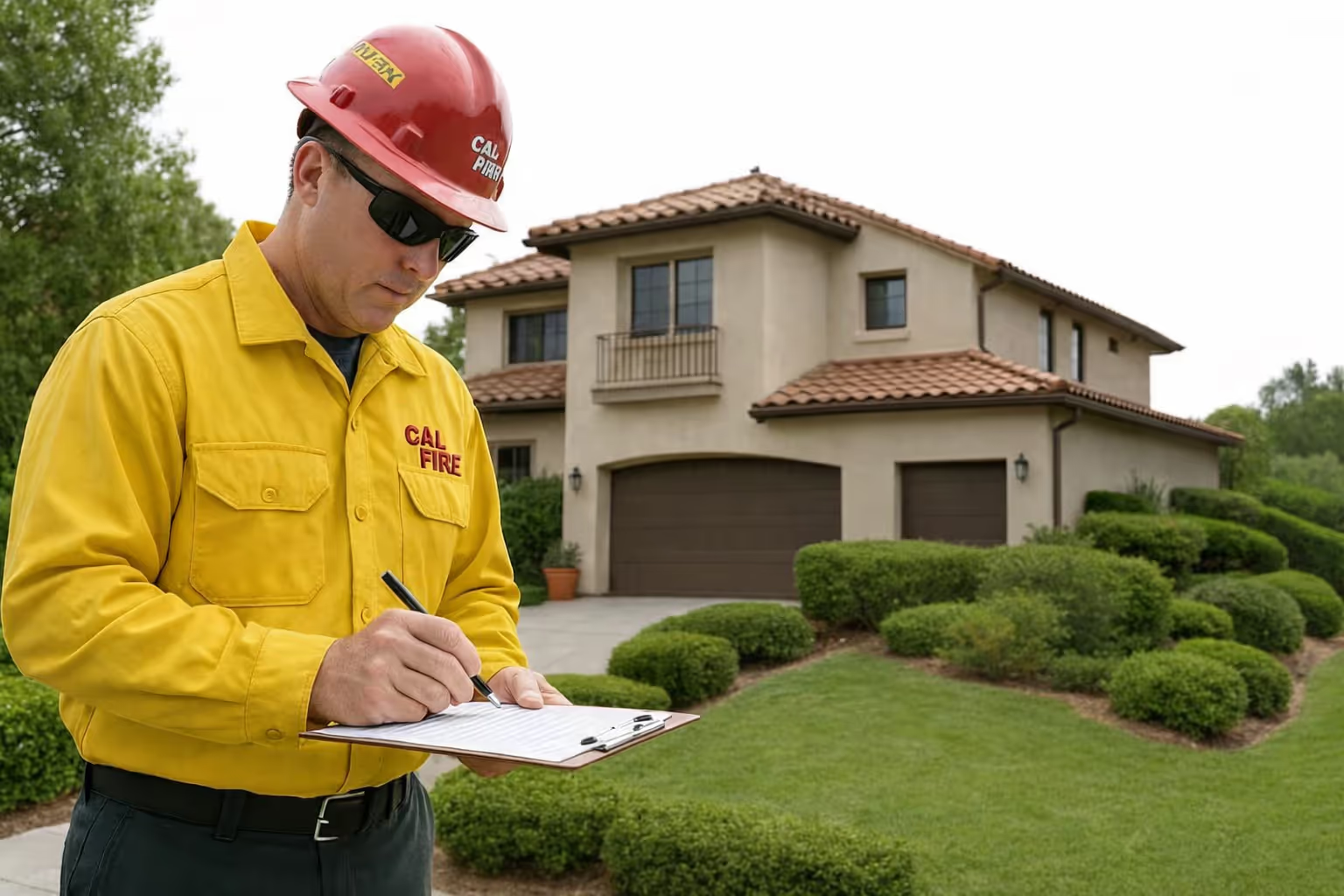
A CAL FIRE residential inspection is a formal assessment conducted by local fire authorities to ensure your home meets state wildfire safety standards. The cal fire residential inspection checklist is the official tool inspectors use to evaluate properties for compliance.
In Los Angeles and throughout California, these inspections are required by law for homes located in designated fire hazard severity zones. Inspectors visit properties on a regular schedule, often annually, to verify that homeowners have taken the necessary steps to reduce wildfire risk.
The primary goal of the cal fire residential inspection checklist is to safeguard lives and property. Inspectors look for hazards that could allow fire to spread easily to your home. In 2026, new requirements have been added to address the increased threat from embers and wind-driven fires. For example, the checklist now calls for stricter vegetation clearance and improved ember-resistant construction features.
By understanding the inspection process and what is required, homeowners can take control of their wildfire defense and avoid last-minute surprises.
Why the Checklist Matters for Homeowners
Meeting the cal fire residential inspection checklist is about more than just avoiding fines. Non-compliance can result in citations, increased insurance premiums, or even loss of coverage. On the other hand, homes that pass inspections are statistically more likely to survive a wildfire event.
For example, neighborhoods in Los Angeles with high compliance rates have reported significantly fewer home losses during major fire seasons. This is not only a win for individual homeowners but also for the entire community, as proper preparation helps slow the spread of fire.
CAL FIRE standards continue to evolve. The 2026 checklist reflects new knowledge about wildfire behavior and lessons learned from recent devastating fires. Staying up to date with these changes is crucial for maintaining your property’s safety and value.
Core Categories of the 2026 Checklist
The cal fire residential inspection checklist focuses on several key areas that homeowners can review themselves:
A quick self-assessment using these categories can help you get ahead of inspection day. However, many homeowners find it challenging to identify hidden vulnerabilities or keep up with evolving standards.
At Matador Fire, we offer comprehensive wildfire risk assessments, professional-grade ember-resistant upgrades, and application of non-toxic fire retardants to both structures and landscaping. Our on-demand wildfire defense systems are designed to go beyond the cal fire residential inspection checklist, providing peace of mind even before evacuation is necessary.
To ensure your home is truly wildfire ready, contact Matador Fire for a free consultation today. Our experts are committed to helping you achieve compliance, enhance safety, and protect what matters most.
Step-by-Step: How to Prepare for a CAL FIRE Residential Inspection
Preparing for a CAL FIRE residential inspection checklist review is essential for every Los Angeles homeowner. As wildfire defense experts at Matador Fire, we understand the unique risks in our region. Passing the cal fire residential inspection checklist not only protects your property but also ensures compliance with safety regulations and insurance requirements.
Let’s break down the most important steps to help you confidently prepare for your next inspection and defend your home from wildfire threats.


Step 1: Creating and Maintaining Defensible Space
Defensible space is the critical buffer between your home and wildfire. CAL FIRE’s residential inspection checklist divides this area into three zones: 0 (0-5 feet), 1 (5-30 feet), and 2 (30-100 feet). Each zone has specific requirements to minimize ignition risk.
Start by clearing all dead vegetation, dry leaves, and debris from these zones. In Zone 0, remove anything flammable next to the house, including mulch, wood piles, and patio furniture. In Zones 1 and 2, prune trees, space shrubs, and keep grass mowed to reduce continuous fuel. Maintain a minimum 5-foot noncombustible zone and ensure 30 feet of moderate clearance, with 100 feet total where possible.
Before-and-after improvements can be dramatic. Removing overgrown brush and thinning trees not only helps pass the cal fire residential inspection checklist but also slows fire spread, giving firefighters a fighting chance.
Step 2: Managing Vegetation and Landscaping
The cal fire residential inspection checklist requires careful selection and maintenance of plants around your home. Avoid highly flammable species like eucalyptus and juniper near structures. Instead, choose fire-resistant varieties and keep them well-watered.
Mulch should be noncombustible in the first 5 feet. Lawns must be regularly irrigated and trimmed. Remove ladder fuels, such as low branches or stacked firewood, which allow flames to climb toward your roof. Cut back overhanging branches at least 10 feet from chimneys and roofs.
By actively managing landscaping, you decrease the likelihood of wildfire embers finding a foothold. As vegetation regrowth is a common inspection failure, schedule routine checks throughout fire season for continuous compliance with the cal fire residential inspection checklist.
Step 3: Inspecting Roofs, Gutters, and Eaves
Roofs and gutters are vulnerable points on any property. Inspect them regularly for leaves, pine needles, and other debris that can ignite from airborne embers. Install metal mesh gutter guards to block debris and keep water flowing.
Examine your roof for missing or damaged shingles or tiles. Repair any gaps or cracks promptly. Eaves and fascia should be sealed, with no exposed wood or entry points for embers.
Many homeowners are surprised to learn that uncleaned gutters or small roof defects are among the most common cal fire residential inspection checklist failures. Consistent maintenance is your strongest defense.
Step 4: Evaluating Vents, Windows, and Exterior Openings
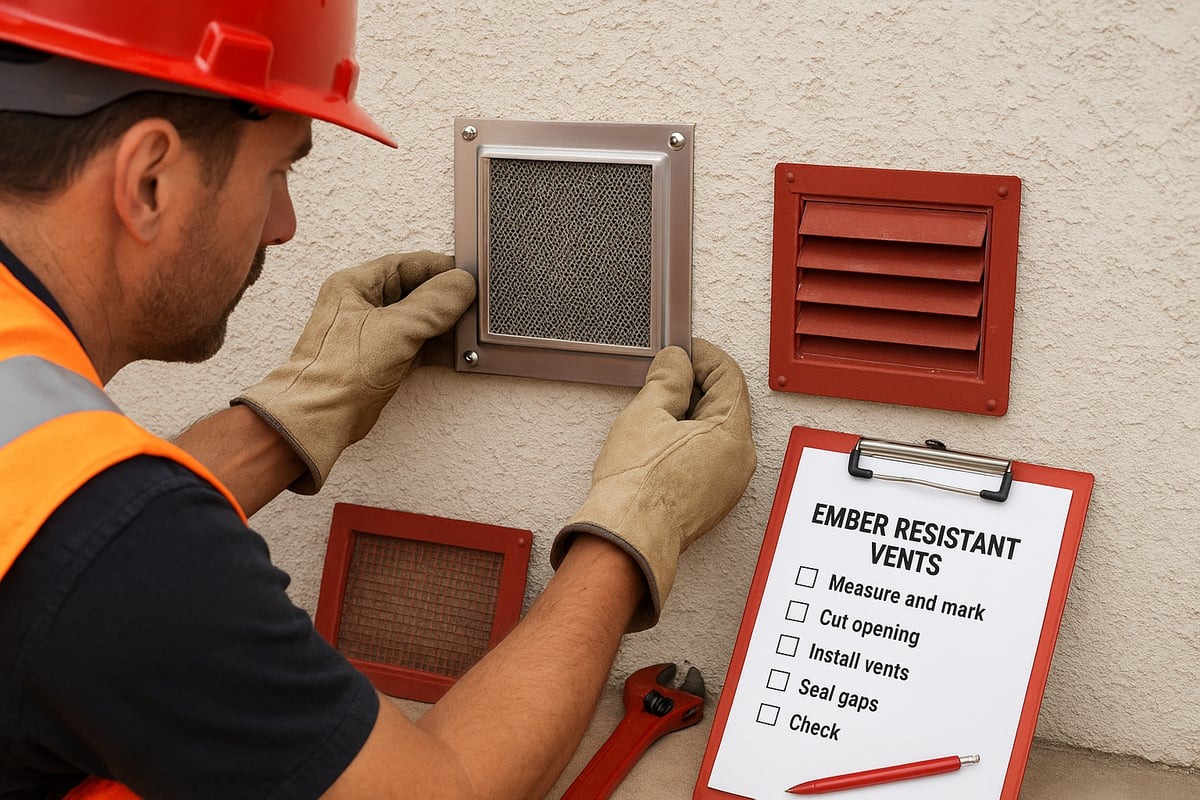
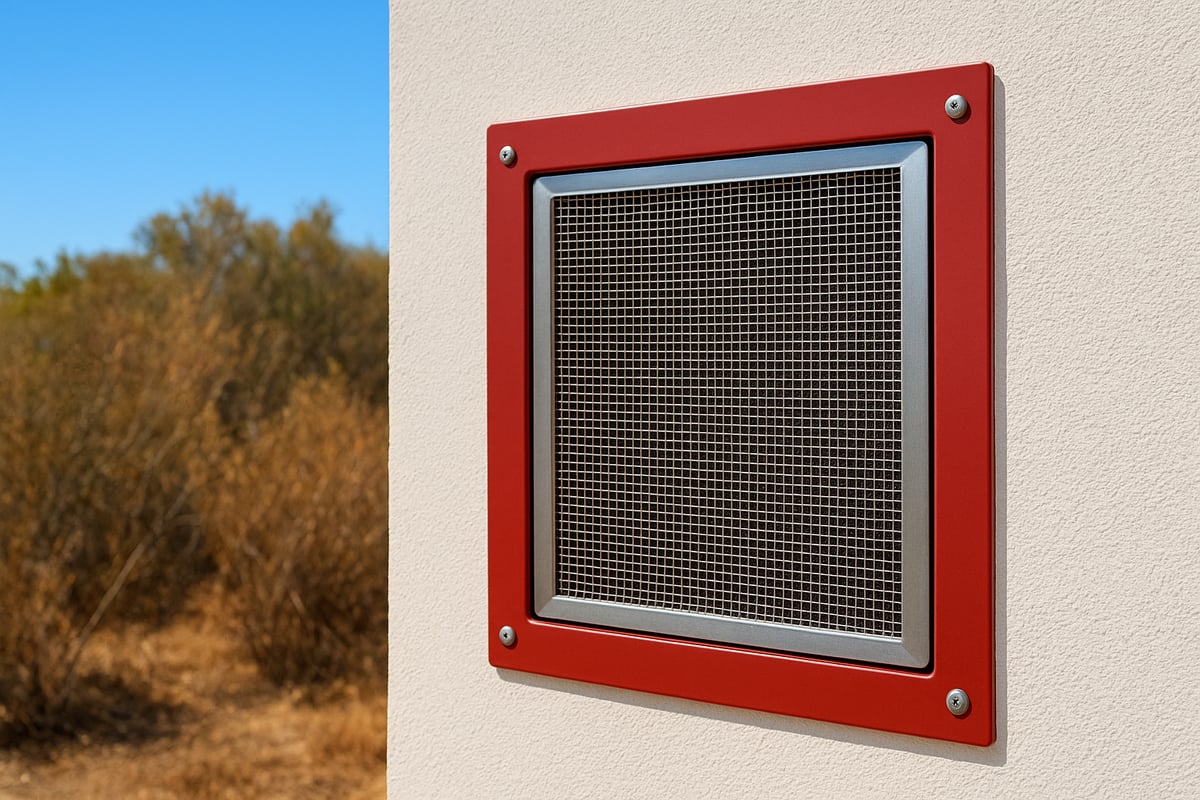
Embers can easily infiltrate homes through vents, windows, and other exterior openings. The cal fire residential inspection checklist requires ember-resistant vent covers, such as 1/8-inch metal mesh, on all attic and foundation vents.
Check that all window screens are intact and fit snugly. Upgrade to dual-pane or tempered glass windows where possible for added protection. Seal gaps around window and door frames to prevent ember entry.
Even a small opening can spell disaster during a wildfire. Regularly inspecting and upgrading these features ensures your home meets cal fire residential inspection checklist standards and reduces vulnerability.
Step 5: Ensuring Proper Access and Signage
Emergency responders need clear access to your home. The cal fire residential inspection checklist mandates driveways to be at least 12 feet wide with 15 feet of vertical clearance. Gates must be wide enough for fire trucks, and turnarounds should be accessible.
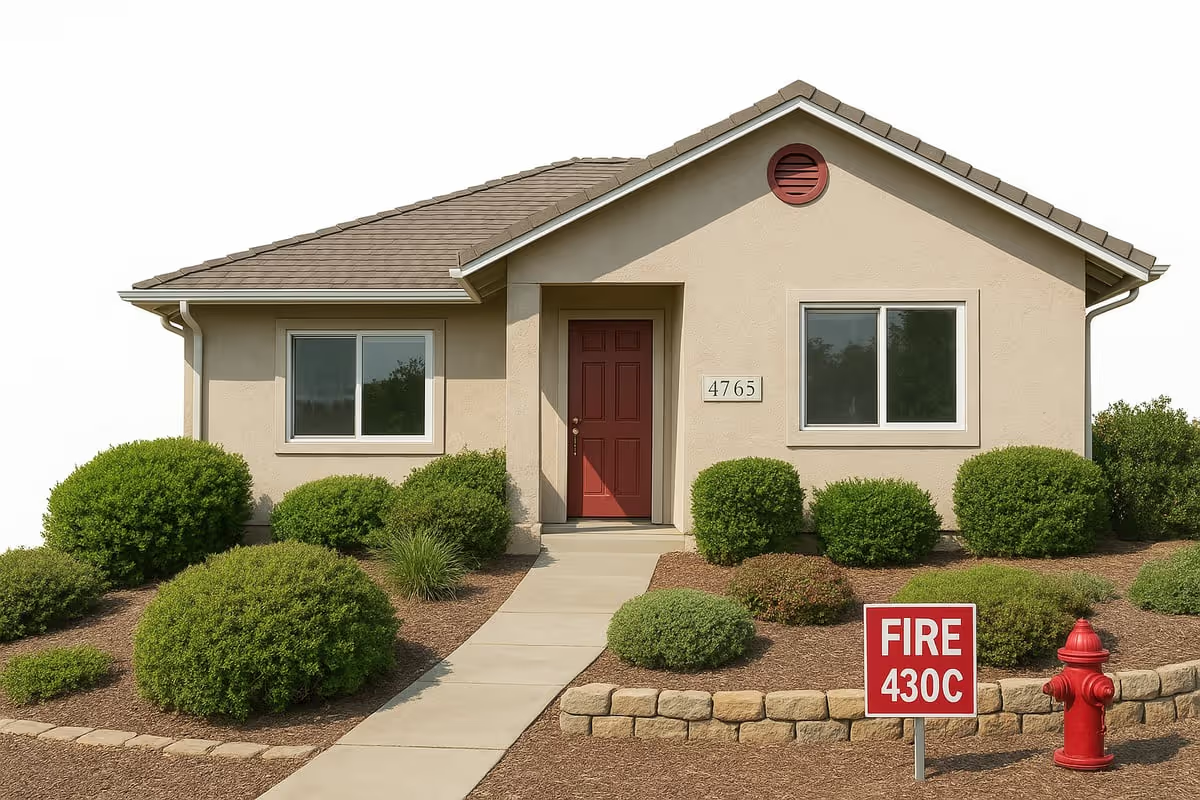
Address numbers should be clearly visible, at least 4 inches tall, and made from fire-resistant materials. Keep all routes around your property unobstructed by vehicles, equipment, or vegetation.
For a comprehensive approach, consider professional support. At Matador Fire, we offer advanced wildfire risk assessments, ember-resistant upgrades, and application of eco-friendly fire retardants. Our team provides custom Emergency Readiness Tips for Homeowners and on-demand wildfire defense systems to help you exceed cal fire residential inspection checklist requirements.
Contact Matador Fire today for a free consultation. Protect your home, your loved ones, and your neighborhood with expert wildfire defense.
Common Inspection Failures and How to Avoid Them
Every year, homeowners across Los Angeles are surprised when their properties do not pass the cal fire residential inspection checklist. Understanding why failures occur is the first step toward a safer, more resilient home in wildfire-prone areas.
Top Reasons for Inspection Failure
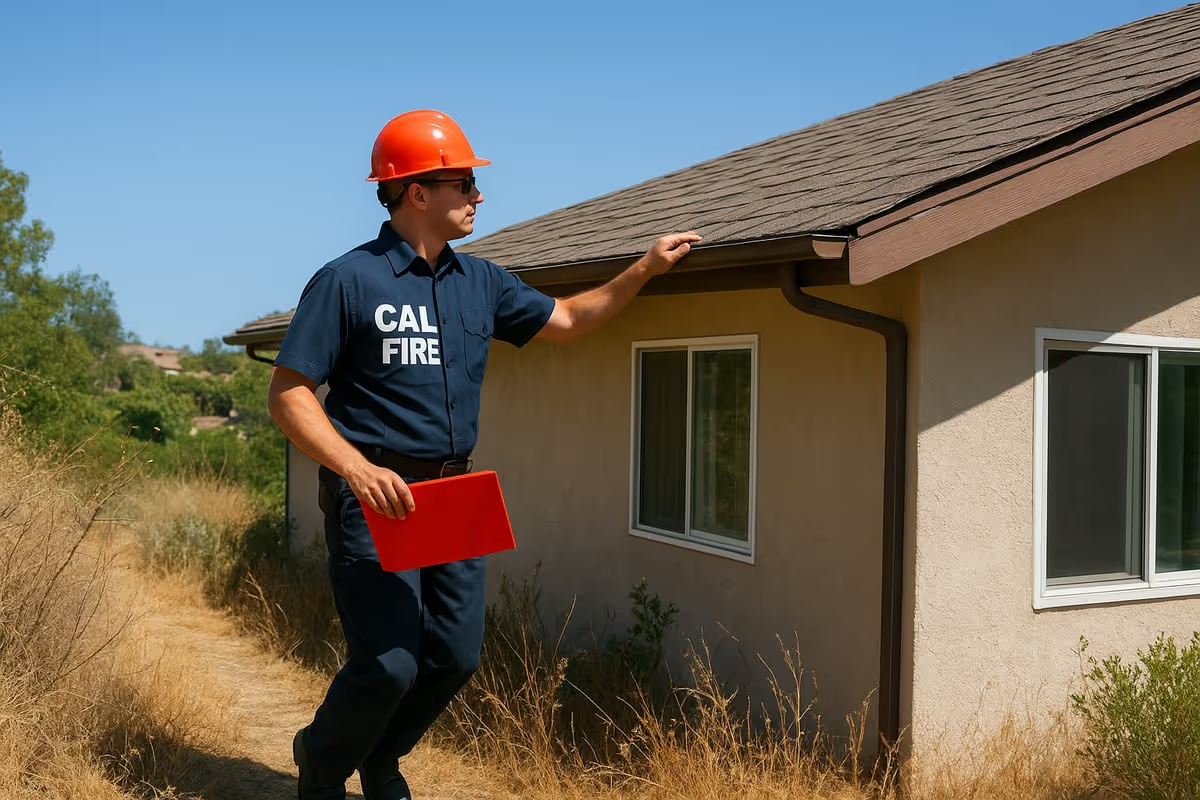
The most common failures on the cal fire residential inspection checklist involve issues with defensible space and vegetation management. Homeowners often overlook the regrowth of grass, shrubs, or weeds, which can quickly violate clearance requirements. Debris such as leaves and pine needles in gutters or around the foundation also frequently lead to failed inspections.
Another major factor is the improper maintenance of roofs, eaves, and vents. Inspectors regularly find combustible debris on roofs or missing ember-resistant vent covers. These vulnerabilities increase the risk of embers entering the home during a wildfire.
Overlooked Items on the cal fire residential inspection checklist
Hidden hazards are another reason properties fail. For example, firewood piles stacked too close to structures or overhanging branches above roofs are often missed by homeowners. Seasonal changes can mask these hazards until inspection day.
Unmarked or poorly visible address signage is another frequent issue. Emergency responders need clear, fire-resistant signage to locate your home quickly. Driveway obstructions or insufficient clearance for firefighting vehicles can also result in a failed inspection.
The Importance of Regular Maintenance
Staying compliant with the cal fire residential inspection checklist requires ongoing attention. Too often, homeowners forget that wildfire risk is not static—vegetation regrows, debris accumulates, and weather conditions change. Establishing a seasonal maintenance routine is essential.
Consider maintaining a wildfire safety calendar, scheduling quarterly checks for vegetation clearance, roof and gutter cleaning, and vent inspections. This proactive approach reduces the risk of last-minute failures and keeps your home ready for inspection at any time.
Successful Inspection Outcomes and Documentation
Documenting all improvements made in response to the cal fire residential inspection checklist is crucial. Take photos before and after major maintenance, and keep records of any upgrades such as installing ember-resistant vents or pruning large trees.
Homes that pass their initial inspection are significantly less likely to suffer major damage during wildfire events. In fact, according to 2025 Los Angeles Wildfires Statistics, neighborhoods with high compliance rates experience fewer structure losses and require fewer emergency interventions.
Proactive Steps: Stay Ready All Year
Passing the cal fire residential inspection checklist is not a one-time event. It is a commitment to year-round vigilance and preparation. By understanding the most common reasons for failure and addressing them proactively, you can protect your home, your family, and your community.
If you are unsure about your property’s readiness, Matador Fire offers comprehensive wildfire risk assessments and advanced solutions that go beyond basic compliance. Contact us for a free consultation and ensure your home is fully prepared for the next inspection.
Advanced Wildfire Defense: Professional Solutions for Homeowners
As wildfire defense experts at Matador Fire, we know that understanding the cal fire residential inspection checklist is the foundation of true home protection in Los Angeles. This checklist is not just a regulatory document, but a proven tool to reduce risk, safeguard lives, and preserve property. However, passing the cal fire residential inspection checklist is only the beginning. Many homeowners find that, despite their best efforts, wildfire threats can exceed what basic self-preparation covers.
The Limits of DIY Preparation
For many homeowners, the cal fire residential inspection checklist offers a clear starting point. You can walk your property and look for common risks, like:
While these steps are essential, even diligent homeowners face challenges. Vegetation regrows quickly, and embers can enter through tiny, overlooked gaps. Many homes that pass the cal fire residential inspection checklist still suffer damage in severe fire events. This is because wildfires exploit the smallest vulnerabilities, and DIY efforts can miss hidden risks that only surface during high-stress conditions.
How Matador Fire Elevates Wildfire Defense
At Matador Fire, we take your protection beyond the cal fire residential inspection checklist. Our expert team starts with a comprehensive wildfire risk assessment, identifying hazards that standard checklists may overlook. We install ember-resistant vents, upgrade exterior materials, and seal vulnerable openings to defend against airborne embers.
We also provide professional application of non-toxic fire retardants to both your home and surrounding landscaping. This proactive barrier can significantly slow or stop fire spread, buying valuable time for your property. Our custom wildfire defense systems allow you to deploy advanced protection even before evacuation orders are issued.
For a full overview of how our solutions supplement the cal fire residential inspection checklist and address the unique risks of Southern California, visit our Matador Fire Services Overview.
Matador Fire: Your Partner in Wildfire Protection
Wildfire risk in Los Angeles continues to grow, and meeting the cal fire residential inspection checklist is just one piece of a larger puzzle. Ongoing maintenance, community cooperation, and advanced defense measures are all required to truly safeguard your property.
Matador Fire is committed to empowering homeowners with expert guidance and proven solutions. Our services are trusted by first responders and tailored for the complex fire behavior seen in this region. We encourage you to take the next step: schedule a free, no-obligation wildfire risk assessment with our team. Together, we will ensure your home exceeds the cal fire residential inspection checklist and stands ready for any wildfire challenge.
Contact Matador Fire today to protect your home, your loved ones, and your community.