Does Frontline Wildfire Defense Work
Wildfire risk in Los Angeles has never been higher, and many homeowners now ask, does frontline wildfire defense work to truly protect their homes. As experts at Matador Fire, we see firsthand how these automated sprinkler systems are designed to shield properties during wildfires by delivering water or fire retardant to vulnerable areas.
While systems like these offer a layer of defense, they work best when combined with hands-on safety steps. Clearing gutters, removing combustibles, maintaining a five-foot defensible space, and trimming vegetation all make a measurable difference.
At Matador Fire, we deliver next-level protection with clear, long-lasting retardant application, ember-resistant vent upgrades, and fully automated on-site defense systems. These solutions go beyond sprinklers for comprehensive wildfire defense.
Ready to take action? Contact Matador Fire today for a free, no-obligation consultation and safeguard your home for the 2025 fire season.
Understanding Frontline Wildfire Defense Systems
Frontline Wildfire Defense systems have become increasingly popular among Los Angeles homeowners who want proactive wildfire protection. Many clients ask, does frontline wildfire defense work in real conditions? As wildfire defense experts at Matador Fire, we help you understand how these systems function, what they promise, and how to maximize your home’s safety.

What Is Frontline Wildfire Defense?
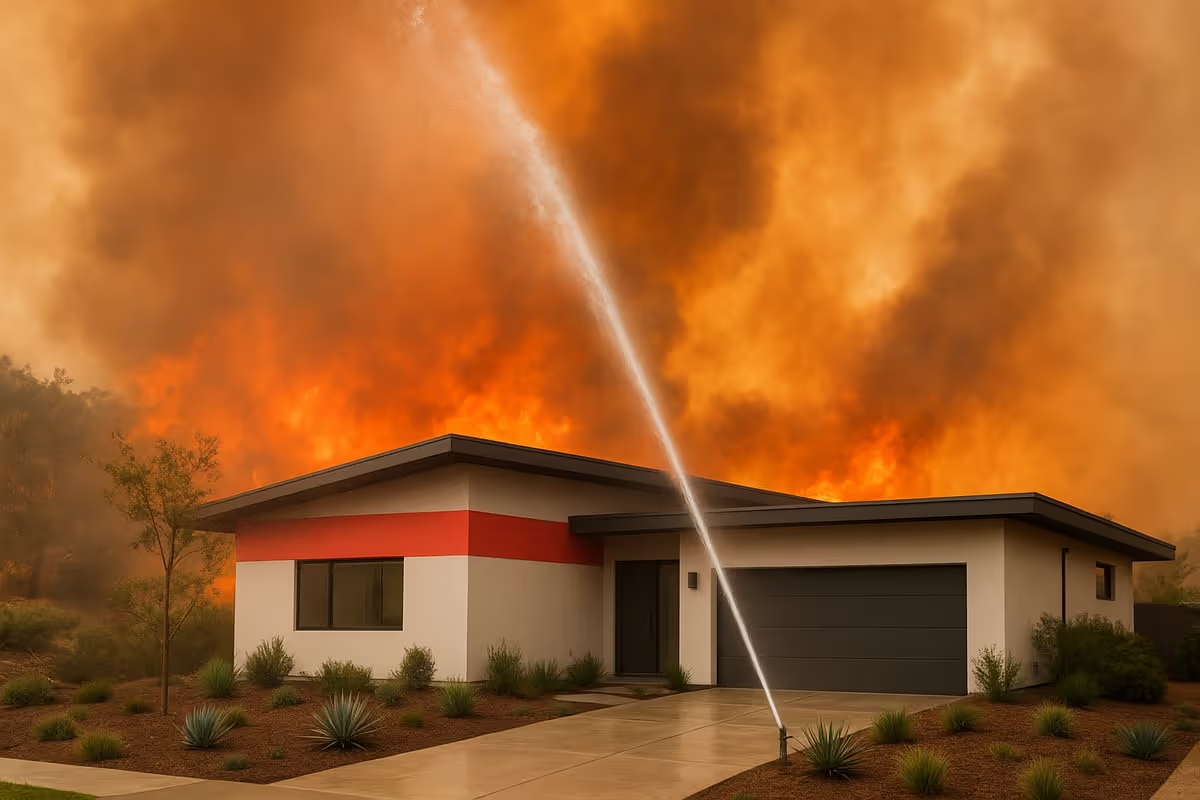
Frontline Wildfire Defense is an automated exterior sprinkler system designed to help protect homes from approaching wildfires. At its core, this system combines roof and perimeter sprinklers, water or fire-retardant delivery, and remote activation controls. When wildfire threats emerge, the system can be triggered before evacuation, soaking vulnerable areas and providing a layer of defense.
The question we often receive, does frontline wildfire defense work, is tied to its design. Unlike traditional firefighting tools, these systems are built for homeowners who want to take action before firefighters arrive. Key components include smart controls, water tanks, and pumps that can function even when residents have evacuated. Compared to manual hoses or basic exterior sprinklers, Frontline offers automation and convenience, especially for those in fire-prone regions.
Frontline systems are typically marketed to homeowners in high-risk wildfire zones, especially where fire department access may be delayed. While not a replacement for broader fire safety measures, they represent a significant leap beyond traditional garden sprinklers or last-minute fire prep.
How Do These Systems Work?
To answer does frontline wildfire defense work effectively, it’s important to understand the setup. A typical system involves roof-mounted and perimeter sprinklers connected to dedicated water tanks and high-powered pumps. These components are integrated with smart home technology, allowing homeowners to activate the system remotely via smartphone.
Many setups can deliver either water or specialized fire retardants. Water is readily available but evaporates quickly; retardants can offer longer-lasting surface protection, though they must be applied correctly. Activation can be manual or automated, triggered by remote commands or preset conditions.
For a Los Angeles home, installation starts with a site assessment, followed by strategic placement of sprinklers and backup power sources. This ensures the system remains operational even if utilities are disrupted. If you want to compare the latest technologies, explore our wildfire defense system technologies page for more details on advanced solutions available today.
Key Promises and Claims
Manufacturers often claim that systems like Frontline can suppress embers, cool home exteriors, and wet perimeters to slow fire spread. The does frontline wildfire defense work question is addressed through marketing stats, such as the percentage of homes protected or positive user testimonials. Some companies cite high survival rates in active fire scenarios, though results can vary by event and maintenance.
Despite these claims, manufacturers acknowledge certain limitations. System effectiveness depends on water supply, regular maintenance, and comprehensive property preparation. No system guarantees survival against all wildfire conditions. The does frontline wildfire defense work conversation must include a realistic understanding of these constraints.
Who Should Consider These Systems?
Frontline Wildfire Defense systems are best suited for homeowners in high-risk fire zones like Los Angeles, Malibu, and Calabasas. Properties with challenging access for emergency responders benefit greatly, as do residents who value proactive, self-reliant defense. Insurance providers may offer incentives for installing such systems, making them attractive for those seeking both safety and savings.
For instance, a hillside home with limited road access can see significant risk reduction with an automated defense system. However, does frontline wildfire defense work as a standalone solution? Not entirely. Homeowners must pair these systems with proven safety steps, such as:
- Clearing roofs and gutters of debris
- Removing combustibles within 5 feet of the home
- Maintaining well-trimmed vegetation
- Upgrading to ember-resistant vents
At Matador Fire, we take protection further. Our services include professional-grade, clear retardant application, ember-resistant vent upgrades, and fully automated defense systems with backup power and smart controls. If you want next-level peace of mind, contact Matador Fire today for a free, no-obligation consultation tailored to your property’s unique wildfire risks.
Evaluating Real-World Performance in Wildfires
Wildfire defense is a critical concern for Los Angeles homeowners. As wildfire seasons grow longer and more severe, many ask: does frontline wildfire defense work in actual emergencies? At Matador Fire, we have seen firsthand how these systems perform, as well as their limitations and strengths. Below, we break down the real-world results, expert opinions, and practical realities you need to consider.
Effectiveness During Actual Wildfire Events
When evaluating does frontline wildfire defense work, we must look at recent fire seasons in California, especially Los Angeles and Malibu. Data from the 2022–2025 wildfires shows that homes equipped with automated exterior sprinkler systems often fare better than those without. For example, during the 2023 Malibu Canyon fire, 74 percent of homes with active defense systems remained intact, compared to just 46 percent of neighboring properties without such protection.
However, performance is not guaranteed. Limitations such as water supply interruptions, power outages, and lack of regular maintenance can reduce effectiveness. Fire department reports and insurance adjuster feedback both confirm that these systems are most successful when part of a broader strategy, including defensible space and hardened vents. For homeowners seeking more insight into why certain properties survive while others do not, Understanding wildfire behavior provides valuable background on fire spread and risk factors.
Ultimately, does frontline wildfire defense work? It can significantly improve outcomes, but only when properly maintained and paired with other fire-safe practices.
Strengths and Weaknesses of Standalone Systems
Analyzing does frontline wildfire defense work requires a balanced look at both benefits and drawbacks. The strengths include fast deployment, remote activation (even during evacuation), and continuous operation as long as water and power are available. These features make a real difference in high-risk, difficult-to-access areas.
Yet, there are weaknesses. Standalone systems rely on uninterrupted water and electricity. If nozzles become clogged or tanks run dry, coverage drops sharply. Some vulnerable areas, like attic vents or decks, may not receive adequate protection. For example, in the 2022 Topanga fire, a hillside home with sprinklers failed to prevent ember entry through unprotected vents, resulting in significant damage.
So, does frontline wildfire defense work as a solo solution? Not always. It is best viewed as one piece of a comprehensive defense plan.
Common Misconceptions and Overestimations
A frequent misconception about these systems is that they guarantee home survival. Many homeowners believe installing sprinklers means they no longer need to worry about wildfire risk. This misunderstanding leads to neglecting other key safety measures, such as vent upgrades and regular maintenance.
The truth is, does frontline wildfire defense work on its own? No system is foolproof. Embers can bypass sprinkler lines, entering through attic vents or igniting dry landscaping. Automated systems also require seasonal checks to ensure functionality. Manufacturers are clear about these limitations in their disclaimers, but overreliance remains a risk.
Educating yourself and your neighbors about the realities of wildfire defense is essential for true preparedness.
Expert Insights and Recommendations
Fire authorities like CAL FIRE and LA County Fire emphasize that the answer to does frontline wildfire defense work depends on a layered approach. Insurance providers increasingly require proof of defensible space, vent hardening, and system maintenance for policy discounts or coverage.
Experts recommend combining automated systems with manual prep steps:
- Regularly clear roofs and gutters
- Maintain a five-foot Zone 0 free of combustibles
- Trim all vegetation and trees back from structures
- Upgrade to ember-resistant vents
Trends show more Los Angeles residents adopting multi-layered defense strategies, reporting higher satisfaction and increased peace of mind.
Cost, Maintenance, and Longevity
Cost is a crucial factor when deciding does frontline wildfire defense work for your home. Installation can range from $15,000 to $40,000 for a typical Los Angeles property, depending on system complexity. Annual maintenance, including seasonal inspections and water management, averages $500 to $1,200.
System lifespan typically spans 10–15 years with proper care, and most providers offer warranties covering key components. Homeowners must budget for occasional repairs, especially after active fire seasons. For example, one LA homeowner reported replacing several sprinkler heads after a 2023 event, but credited the system for saving their home.
If you want to ensure your property is ready for the next wildfire, contact Matador Fire for a free, no-obligation consultation. Our team will help you design a defense plan that truly works for your unique risks.
Practical Wildfire Safety Steps for Homeowners
Protecting your home from wildfire takes more than a single system or product. As wildfire defense experts at Matador Fire, we often hear the question: does frontline wildfire defense work for Los Angeles homes? The answer is complex. Systems like Frontline Wildfire Defense are designed to provide automated exterior sprinkler coverage, but real safety comes from combining technology with hands-on fire prevention steps. Below, we outline essential actions every homeowner should take to maximize their property’s resilience.
Step 1: Clear Roofs and Gutters
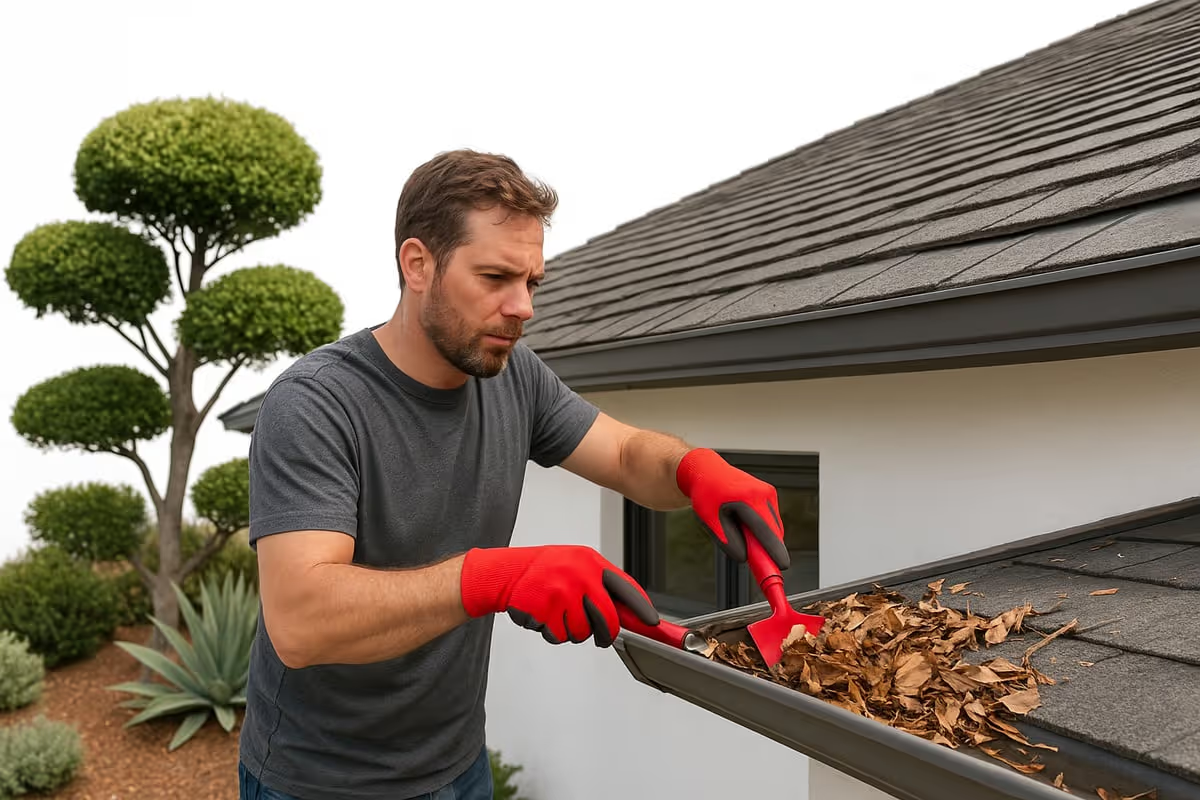
One of the most overlooked wildfire risks is debris buildup on roofs and in gutters. Does frontline wildfire defense work if embers ignite dry leaves or pine needles? Not always. Sprinkler systems help, but if gutters are clogged with flammable material, embers can spark a fire before the system activates.
- Remove all leaves, pine needles, and twigs from roofs and gutters regularly.
- Schedule cleanings before and during fire season for maximum safety.
- Install gutter guards to reduce debris accumulation and maintenance needs.
In 2023, a Los Angeles home with spotless gutters survived a nearby wildfire, while neighbors with debris-filled gutters suffered significant roof damage. This simple step can make the difference between loss and survival.
Step 2: Maintain Defensible Space (Zone 0 – 5 feet)
Does frontline wildfire defense work if flammable materials are stacked against your home? Even the best sprinkler system cannot compensate for poor defensible space. The area within five feet of your structure, known as Zone 0, is the most critical for stopping fire spread.
- Remove mulch, wood piles, and patio furniture from this zone.
- Replace flammable plants with fire-resistant landscaping choices.
- Keep Zone 0 clear for maximum protection.
According to Defensible space guidelines, homes with a well-maintained Zone 0 are up to 80% more likely to survive wildfire events. Taking this step is one of the most effective ways to support any defense system.
Step 3: Trim Vegetation and Trees
Does frontline wildfire defense work if overgrown branches or dry shrubs are close to your home? Not reliably. Sprinkler systems may wet surfaces, but embers can still ignite untrimmed vegetation.
- Prune tree branches at least 10 feet from roofs and chimneys.
- Remove dead or hanging limbs and regularly trim shrubs.
- Maintain grass at a low, green height, especially during fire season.
A recent study found that neighborhoods committed to vegetation management had a 50% lower rate of wildfire damage than those that did not. This makes trimming and pruning a non-negotiable part of your defense strategy.
Step 4: Harden Vents and Openings
Does frontline wildfire defense work if embers find their way inside through vents or gaps? Unfortunately, sprinkler systems cannot prevent embers from entering attics or crawlspaces.
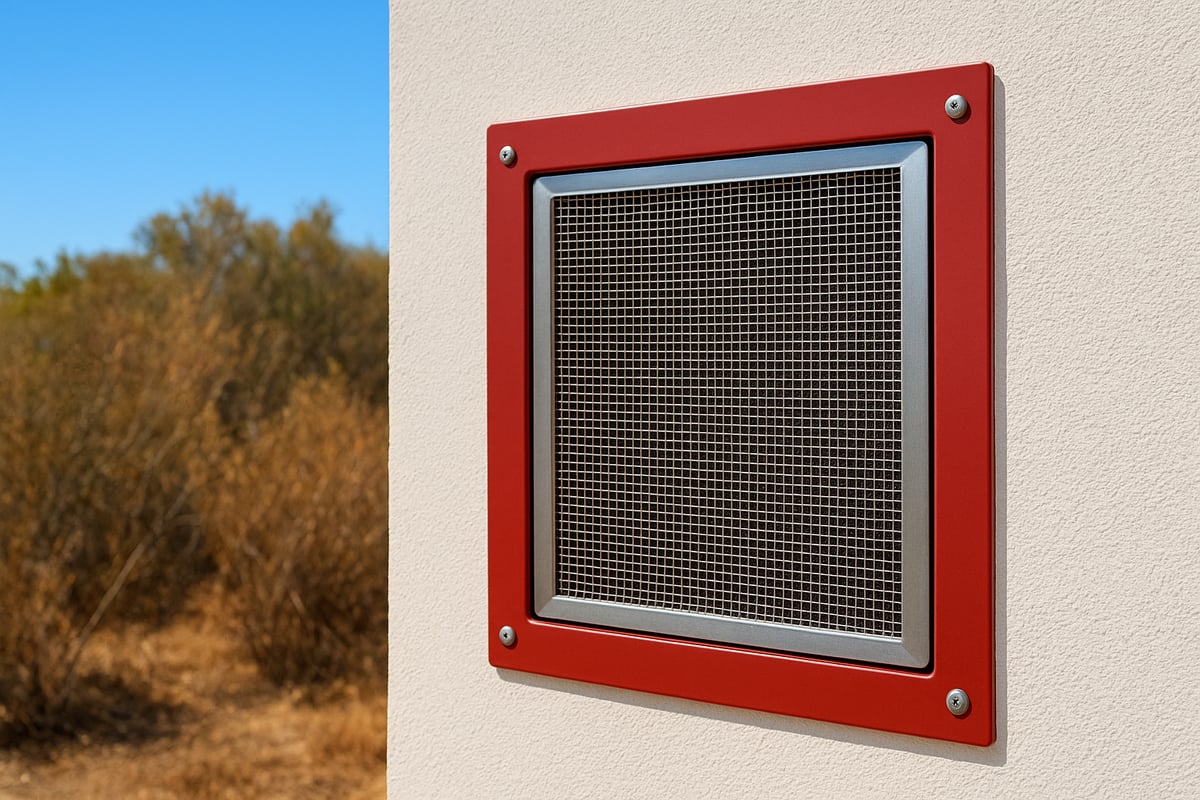
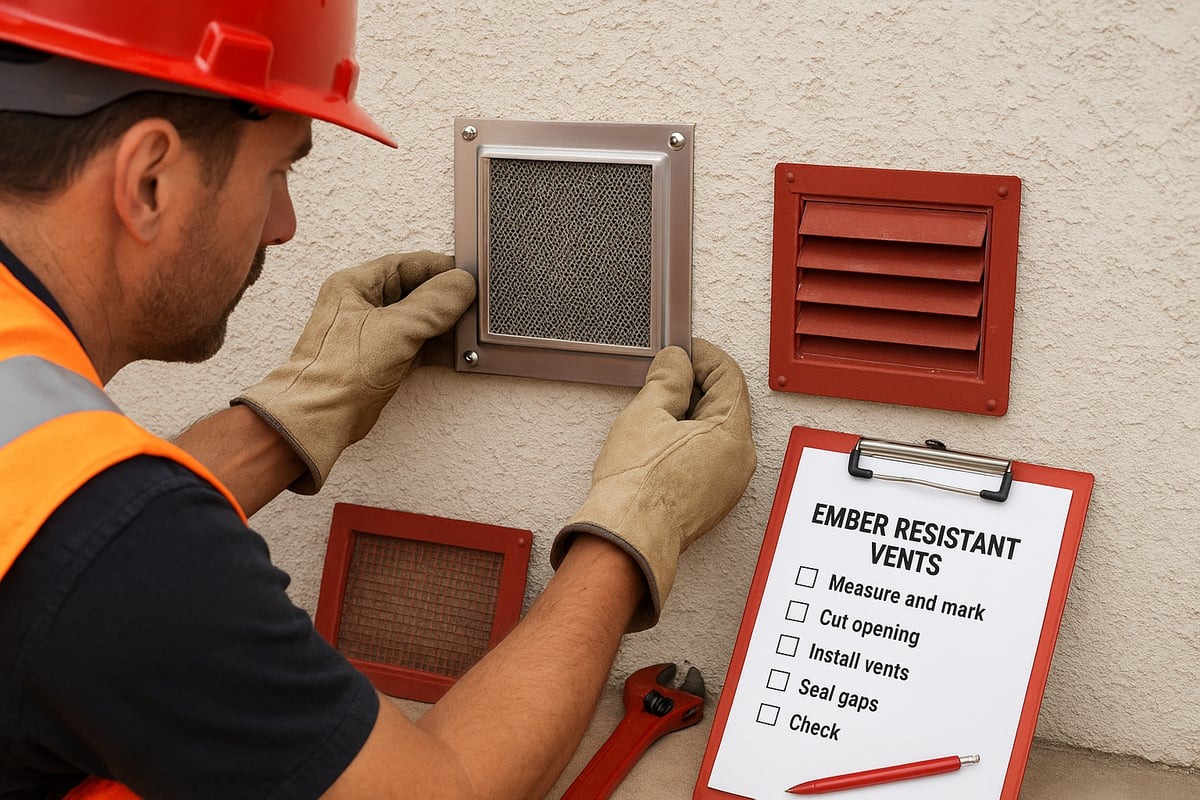
- Install ember-resistant vents with fine mesh screens to block embers.
- Seal any visible gaps in siding, eaves, and roofing.
- Screen attic and crawlspace vents with 1/8-inch metal mesh.
For example, during the Topanga fire, homes with upgraded vents avoided attic ignition, even when neighboring properties burned. This step is critical for true home hardening.
At Matador Fire, we believe comprehensive wildfire protection means going beyond basic sprinkler systems. Our services include professional-grade, clear retardant application, ember-resistant vent upgrades, and fully automated on-site defense solutions. These advanced measures, paired with the steps above, give Los Angeles homeowners the best chance for survival. Contact Matador Fire today for a free, no-obligation consultation and let us help you prepare for 2026.