Fire Pit Distance From House Guide: Safe Placement Tips 2026
Backyard fire pits are more popular than ever in Los Angeles, but the excitement comes with real risks, especially in wildfire-prone Southern California. Understanding the right fire pit distance from house is essential for homeowners who want to avoid property damage, costly fines, and increased wildfire threats.
This guide delivers clear, expert-backed steps for safe fire pit placement, from measuring proper clearance to choosing the safest location and using protective gear. You will also learn about advanced wildfire defense options and how to get personalized support for your property.
Whether you are new to outdoor fire features or want to upgrade your safety, this 2026 guide provides practical advice and proven solutions to help Los Angeles homeowners enjoy fire pits confidently and responsibly.
Understanding Safe Fire Pit Distance: What It Means and Why It Matters
Ensuring the right fire pit distance from house is essential for homeowners in Los Angeles, where wildfire risk is ever-present. Safe fire pit distance from house refers to the minimum space required between a fire pit and any structure or combustible material. This distance helps prevent accidental ignition of your home or nearby property due to embers, heat, or windblown sparks.
National Fire Protection Association (NFPA) guidelines recommend keeping a fire pit at least 10 to 20 feet away from homes, garages, sheds, and fences. However, local Los Angeles ordinances may require even greater clearance because of the region’s dry climate and frequent Santa Ana winds. The goal is to reduce the chance that radiant heat or embers from your fire pit could start a blaze. Even a small ember can travel and ignite roofs, decks, or dry landscaping.
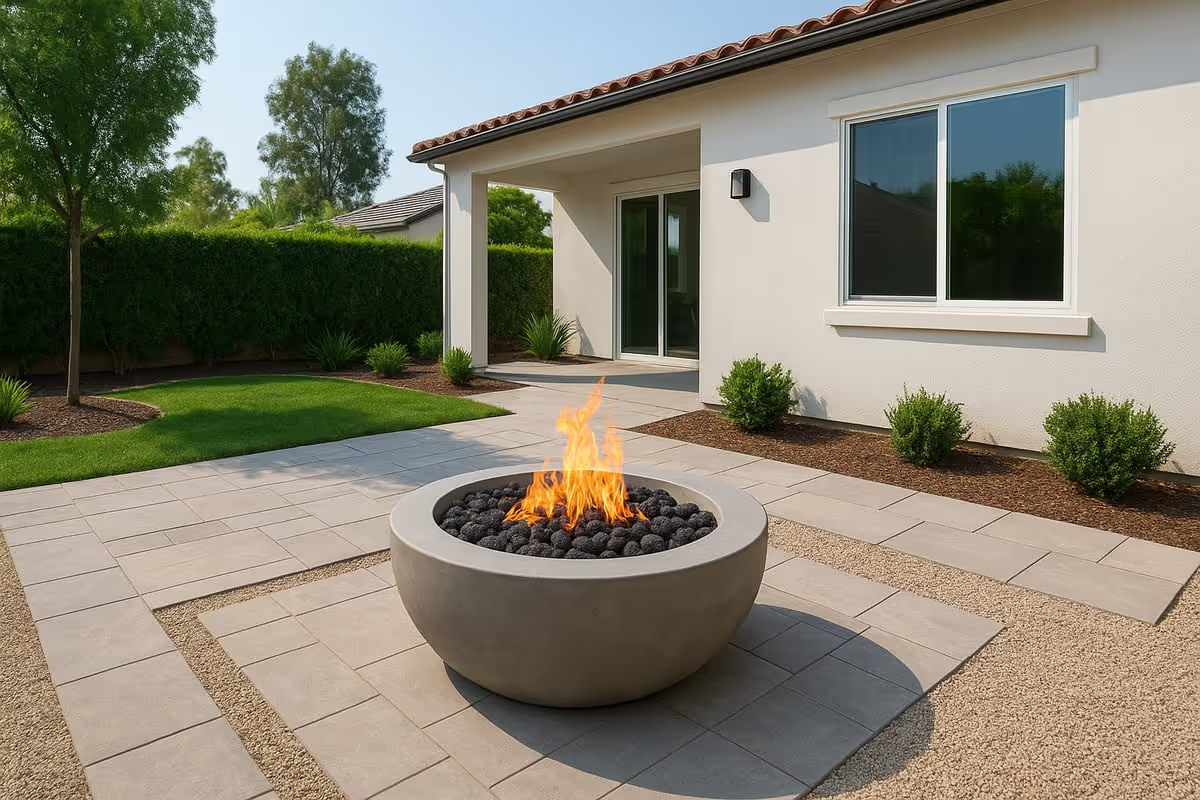
Why Safe Fire Pit Distance Is Critical in Southern California
Southern California’s wildfire season is growing longer, with dry vegetation and high winds creating a perfect storm for accidental fires. Los Angeles County has seen a significant rise in structure fires caused by outdoor fire features. According to local fire departments, improper fire pit distance from house contributed to multiple incidents in the past year.
Embers can easily travel on windy days, landing on roofs, eaves, or flammable landscaping. A fire pit placed too close to your house dramatically increases the risk of property damage, legal fines, and even insurance policy violations. Overhanging branches, wooden decks, and nearby combustibles demand even more space between your fire pit and home.
Practical Steps to Ensure Safe Fire Pit Distance
Homeowners can take simple actions to reduce risk:
- Always maintain the recommended fire pit distance from house, following both NFPA and local codes.
- Select a flat, non-combustible surface like gravel, stone, or concrete for your fire pit.
- Remove dry leaves, mulch, and vegetation within at least a 10-foot radius.
- Use spark screens to contain embers, especially for wood-burning fire pits.
- Monitor wind speed and direction before lighting a fire. Never use your fire pit during red flag warnings or high wind events.
- Regularly review Fire Pit Safety Tips to stay updated on best practices.
Different Fire Pit Types, Different Risks
Not all fire pits are equal when it comes to safety. Wood-burning fire pits create more embers and require greater distance than propane or gas models. Portable fire pits may seem convenient, but they still need to be set up far enough from your house and any flammable materials. Built-in fire pits offer more stability and can be integrated into safe landscaping designs.
When Fire Pit Distance Isn’t Enough
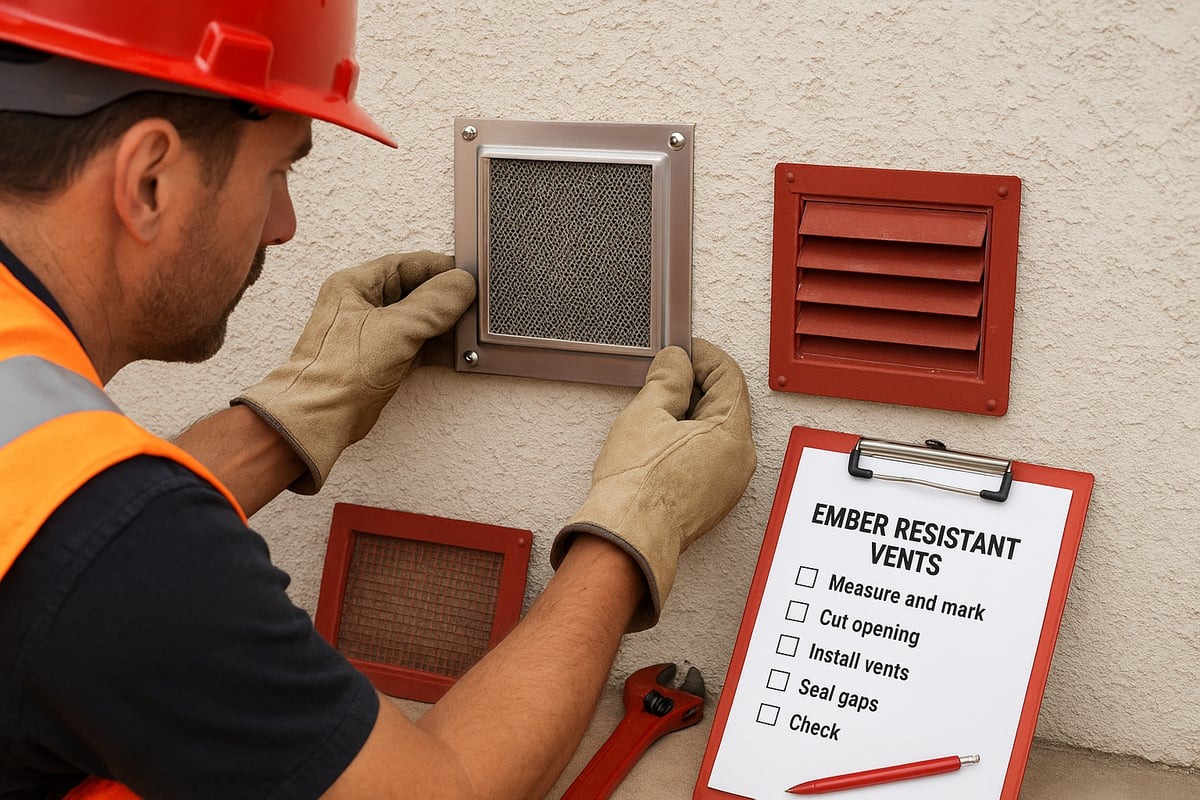
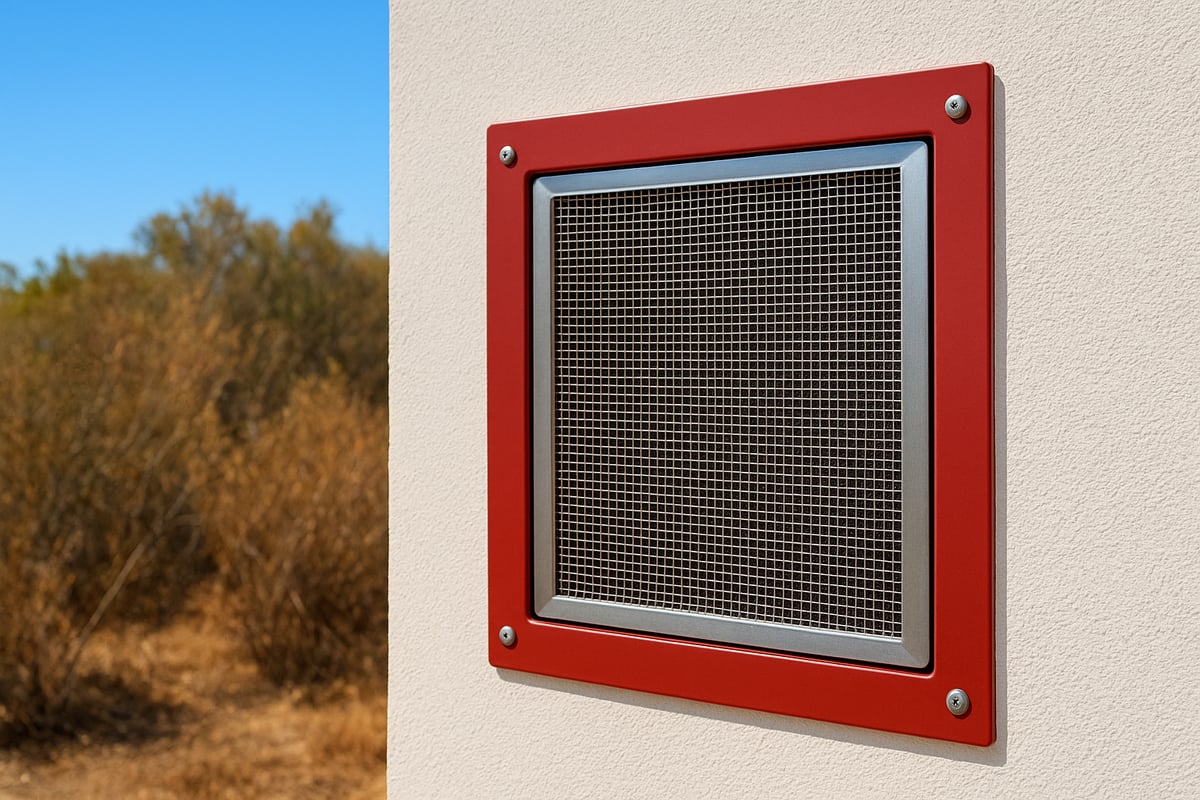
Even with perfect fire pit distance from house, embers from distant wildfires can still threaten your home. For maximum protection, Matador Fire offers advanced solutions like ember-resistant vent installation, professional-grade fire retardant application, and custom wildfire defense systems. These services go beyond standard fire pit safety, giving Los Angeles homeowners peace of mind.
For a free, no-obligation wildfire defense consultation, contact Matador Fire today and take the next step in protecting your property.
Step-by-Step Guide: How to Place Your Fire Pit Safely
Backyard fire pits offer warmth, ambiance, and a gathering space for Los Angeles homeowners, but safe placement is essential. Understanding the correct fire pit distance from house is not only about comfort—it is a critical step in reducing wildfire risk and protecting your home. Southern California's dry climate and wind patterns make these guidelines even more important.
Whether you are installing a new fire pit or evaluating an existing one, following expert-backed steps ensures you meet legal requirements and maximize safety. Let us walk through the process of placing your fire pit safely, with clear, actionable advice every step of the way.
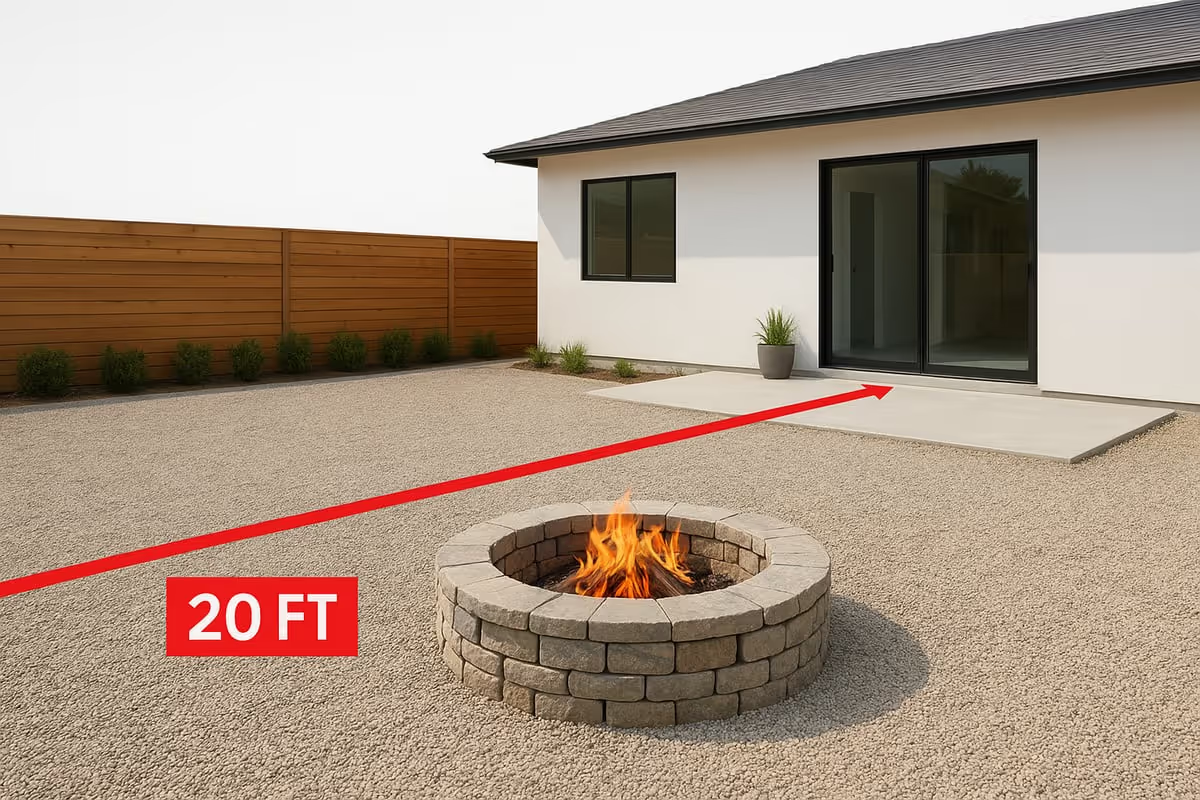

Step 1: Check Local Fire Regulations and HOA Rules
Before installing or moving your fire pit, always check the latest city and county codes. In Los Angeles, regulations can vary by neighborhood and homeowners' association. The recommended fire pit distance from house is typically at least 10 to 20 feet, but stricter rules may apply in wildfire-prone zones.
Contact your local fire department to confirm requirements. Some cities, like Beverly Hills and Malibu, set even greater minimum distances due to their wildfire histories. Seasonal burn bans or temporary restrictions may also impact when and how you use your fire pit.
Reviewing Los Angeles Fire Pit Regulations helps you avoid costly fines and legal issues. Always document your compliance, especially if your HOA has specific guidelines.
- Confirm minimum setback from house, fences, and property lines.
- Ask about permissible fire pit types (wood, gas, propane).
- Determine if permits or inspections are required.
By starting with this step, you ensure your fire pit distance from house meets both safety and legal standards.
Step 2: Choose the Right Location in Your Yard
Selecting the correct spot for your fire pit is vital. Always place your fire pit on a flat, non-combustible surface such as concrete, gravel, or stone. Never set up a fire pit on a wooden deck or close to dry vegetation, as this increases the risk of accidental ignition.
Measure carefully to maintain the required fire pit distance from house, fences, and outbuildings. Use a measuring tape for accuracy, and mark the safe zone so everyone in your household can see it.
- Ensure no overhanging branches within a 10 to 21 foot vertical clearance.
- Place the fire pit at least 20 feet from your home and 10 feet from the property line, if possible.
- Stay clear of power lines and utility areas.
By prioritizing location, you reduce the chance of embers or radiant heat reaching your home. This step is a cornerstone of fire pit distance from house best practices.
Step 3: Maintain Proper Clearance from All Combustibles
Once your fire pit is placed, create a buffer zone around it. Remove dry grass, leaves, and mulch within a 10 foot radius. Store firewood, outdoor furniture, and propane tanks well away from the heat source.
The following summarizes minimum recommended clearance distances:
- House or structure: 10–20 feet
- Fences or sheds: 10 feet
- Vegetation: 10 feet
- Overhanging branches: 10–21 feet (vertical clearance)
- Propane tanks: 10 feet
Regularly check for new growth, debris, or items that could catch fire. Creating a 15 foot safety zone can significantly lower the risk of fire spread and ensure your fire pit distance from house remains compliant.
Step 4: Use Safety Accessories and Monitor Conditions
Enhance your fire pit setup with safety gear. For wood-burning models, always use a spark screen to contain embers. Keep a fire extinguisher, bucket of sand, and garden hose nearby for immediate response.
Monitor local weather, especially wind speed and direction. Never use your fire pit during high wind events, as embers can travel considerable distances. In Los Angeles, a sudden gust can send sparks onto roofs or dry brush, defeating the benefits of proper fire pit distance from house.
- Install mesh covers or spark guards.
- Have emergency water or sand ready.
- Avoid burning during Red Flag Warnings or when winds exceed safe limits.
Staying vigilant helps you enjoy your fire pit safely throughout the year.
Step 5: Follow Safe Operation Practices
Responsible use is the final layer of protection. Never leave a burning fire pit unattended. There should always be a responsible adult present during use. Burn only dry, seasoned wood or approved fuels—never trash, plastics, or treated lumber.
Fully extinguish the fire before leaving the area. Use water, sand, or a fire extinguisher as needed. A mesh cover can further prevent flare-ups and keep embers contained, reinforcing the effectiveness of your fire pit distance from house.
- Supervise children and pets at all times.
- Educate guests about your safety rules.
- Schedule regular maintenance and area inspections.
When you combine these operation habits with the right fire pit distance from house, you dramatically reduce fire risks.
Advanced Wildfire Defense: Going Beyond Fire Pit Safety
Backyard fire features have become a staple for many Los Angeles homeowners, but understanding safe fire pit distance from house is more than just a suggestion. In wildfire-prone Southern California, maintaining enough space between your fire pit and home is a critical defense. Dry weather, seasonal winds, and dense vegetation increase the chance that stray embers could ignite nearby structures. A safe fire pit distance from house helps reduce the risk of accidental fires, property loss, and community-wide disasters.
Why Safe Fire Pit Distance Matters in Southern California
The fire pit distance from house is not just about following regulations, it is about protecting what matters most. Los Angeles faces unique wildfire threats due to its dry climate and strong seasonal winds. Even a small spark from a fire pit can travel quickly, igniting roofs, decks, or landscaping. Local codes often require a minimum of 10 to 20 feet clearance, but best practices suggest even more in high-risk areas. Homeowners who ignore the recommended fire pit distance from house risk property damage, legal issues, and higher insurance costs. By respecting these guidelines, you help protect your home and your neighbors.
Actionable Steps for Homeowners
To ensure your fire pit does not become a hazard, start by verifying the fire pit distance from house meets or exceeds local requirements. Select a level, non-combustible surface for your fire pit, such as concrete or gravel, and avoid areas near dry plants or wooden decks. Always remove leaves, twigs, and other flammable debris within at least a 10-foot radius. Install a spark screen to contain embers, especially on windy days, and never leave a fire unattended. Monitoring weather conditions is vital, as winds can carry embers far beyond the immediate area. Regularly check for updates on seasonal burn bans or emergency alerts, as these may affect when and where you can safely use your fire pit.
Matador Fire: Advanced Wildfire Defense Solutions
While safe fire pit distance from house is essential, it is only one part of a comprehensive wildfire defense strategy. Even with proper spacing and vigilance, embers from distant wildfires can still threaten your property. Matador Fire offers advanced solutions like ember-resistant vent installation, professional-grade fire retardant application, and on-demand wildfire defense systems. These services go beyond traditional safety steps by proactively protecting your home’s most vulnerable areas. For homeowners seeking extra peace of mind, learn more about Professional Wildfire Defense Services and discover how technology and experience can safeguard your home.
Take the Next Step for Wildfire Safety
Taking action today can make all the difference in protecting your home and community. Review your fire pit setup, confirm your fire pit distance from house follows best practices, and consider partnering with experts for advanced wildfire defense. Contact Matador Fire for a free, no-obligation consultation and take the next step toward lasting safety.
Fire Pit Types, Materials, and Fuel: Impacts on Safe Placement
Choosing the right fire pit and understanding how materials and fuel affect fire pit distance from house is crucial in Los Angeles. Each decision impacts not only your safety but also your compliance with local codes and wildfire defense. Let us break down the essentials for every homeowner.
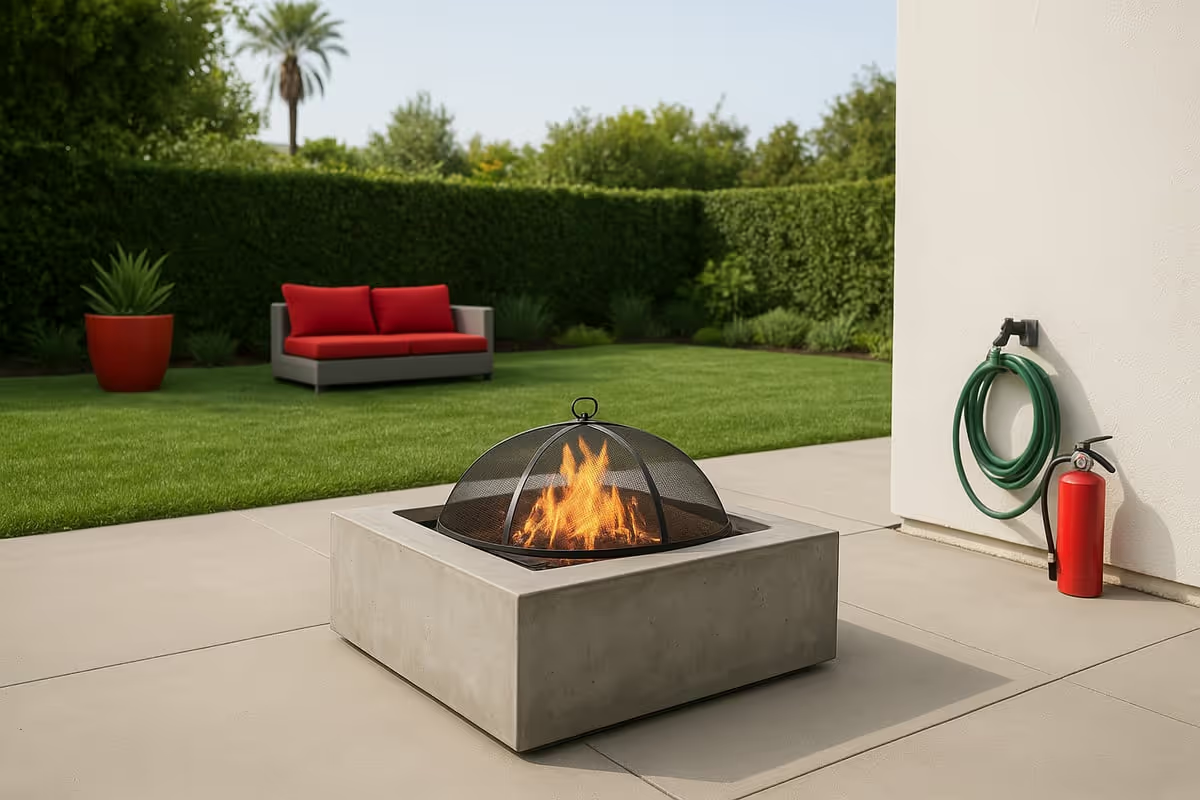
Comparing Fire Pit Types and Their Risks
Not all fire pits are created equal. The type you choose directly influences the required fire pit distance from house. Wood-burning fire pits pose the highest risk, as they produce open flames, embers, and smoke. Gas and propane fire pits offer more control and tend to produce fewer embers, but they still require careful placement.
- Wood-burning fire pits:
Ember risk: High
Minimum distance: 20 feet
Notes: Requires a spark screen and the strictest clearance - Propane fire pits:
Ember risk: Medium
Minimum distance: 10–15 feet
Notes: Portable with a cleaner burn - Natural gas fire pits:
Ember risk: Medium
Minimum distance: 10–15 feet
Notes: Usually fixed in place and safer when properly installed
Portable fire pits can be moved to maintain the right fire pit distance from house, while built-in models require careful planning from the start. Even though propane models may seem safer, they still require proper clearance, especially in areas prone to wildfires.
Safe Materials and Construction
Selecting the right materials is essential for maximizing safety and ensuring the correct fire pit distance from house. Always opt for non-combustible materials like steel, stone, or brick. These materials help contain heat and prevent accidental ignition of surrounding surfaces.
A sturdy, enclosed design—ideally with sides 6 to 12 inches high—helps keep flames and embers within the pit. Place your fire pit on a non-flammable base, such as gravel or sand, for added stability and protection. Using these materials not only reduces risk but also helps create defensible space around your home, a key strategy in wildfire-prone regions.
In a recent Brentwood example, a stone fire pit with a gravel base and no nearby vegetation helped maintain a safe fire pit distance from house and minimized fire spread risk.
Fuel Selection and Storage
Fuel choice and proper storage play a vital role in determining fire pit distance from house. Only use approved fuels: dry, seasoned wood for wood-burning pits, and manufacturer-recommended propane or gas for others. Never use accelerants or wet wood, as these can cause flare-ups and excessive smoke.
Keep all fuel sources, such as firewood or propane tanks, well away from the fire pit and your home. Ideally, store propane tanks in a shaded, ventilated area at least 10 feet from any structure. Consistent, safe storage practices protect your property and reinforce the importance of maintaining the recommended fire pit distance from house.
Recently, a Pacific Palisades homeowner avoided a near-miss by storing propane tanks safely, demonstrating how simple precautions can make a big difference.