Fire Resistant Roofing Materials Guide: 2026 Home Protection
Wildfire risk is rapidly increasing for Los Angeles and Southern California homeowners as we approach 2026. With longer fire seasons and more intense blazes, protecting your home is more critical than ever.
Choosing the right fire resistant roofing materials is the first and most important line of defense against wildfire threats in this region. As wildfire defense experts at Matador Fire, we guide you through selecting, installing, and maintaining the best roofing solutions for your property.
In this guide, you will learn practical steps to improve your roof’s fire resistance, discover the latest materials available, and explore advanced wildfire defense strategies for 2026. Our services, including ember-resistant vent installation and professional fire retardant application, offer comprehensive protection beyond roofing alone.
Ready to safeguard your home and gain peace of mind? Contact Matador Fire for a free wildfire defense consultation today.
Understanding Fire Resistant Roofing Materials
Choosing the right fire resistant roofing materials is vital for homeowners in Los Angeles and throughout Southern California. As wildfire risks continue to rise, understanding your options can make all the difference in protecting your property and your peace of mind.
What Are Fire Resistant Roofing Materials?
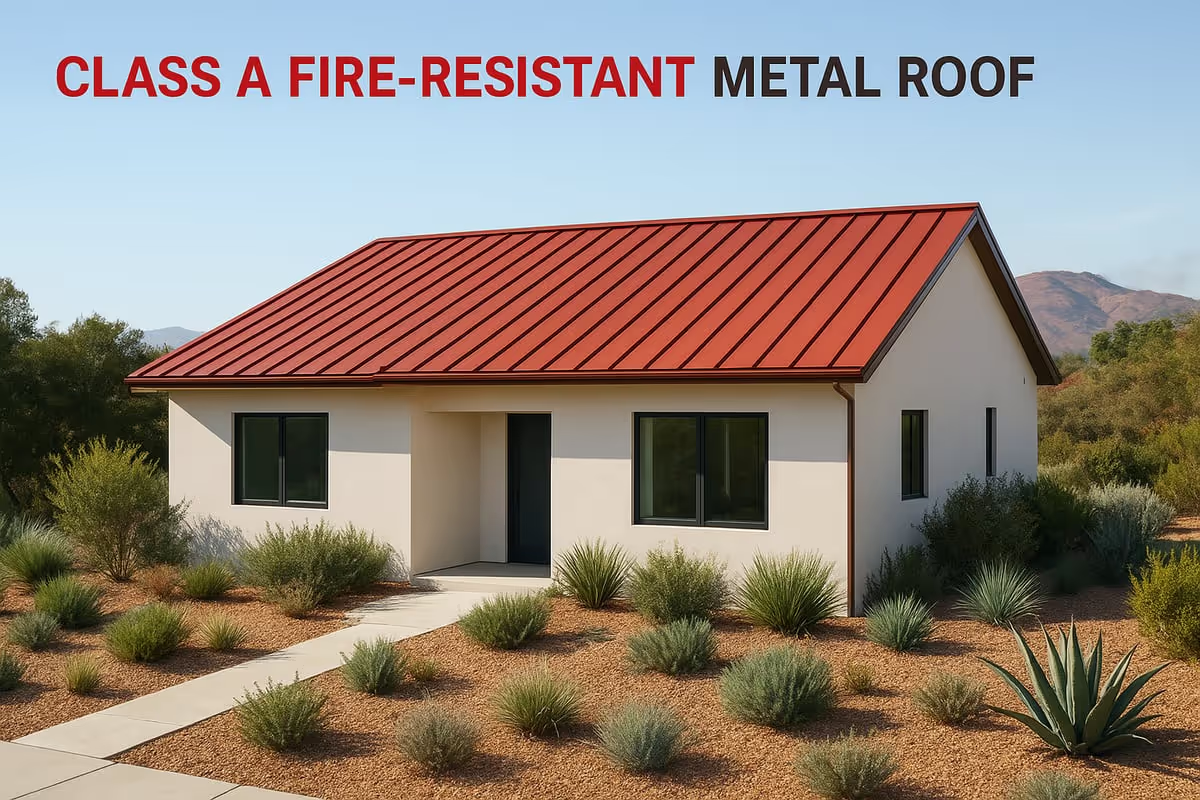
Fire resistant roofing materials are specifically designed to withstand extreme heat and resist ignition from burning embers. Unlike standard roofing, these materials undergo rigorous testing and are classified based on their performance in fire exposure. Roofing materials receive a fire rating of Class A, B, or C, with Class A offering the highest level of protection. This rating system helps homeowners identify which products meet the strictest safety standards for wildfire-prone regions. For more details on best practices and types, you can consult the Fire-Resistant Roofs Guide.
Why Fire Resistance Matters in Southern California
Southern California faces a unique set of wildfire challenges due to its climate, terrain, and vegetation. In recent years, data shows that wildfire frequency and intensity have increased, putting thousands of homes at risk each season. The devastating Woolsey and Bobcat fires, for example, resulted in significant property loss, much of it due to vulnerable roofs. Because embers can travel miles ahead of a fire front, homes with non fire resistant roofing materials are particularly exposed. It is essential for homeowners in these regions to invest in robust fire protection.
Fireproof vs. Fire-Resistant: Key Differences
It is important to clarify that no roofing product is truly fireproof. The term fire resistant roofing materials refers to products that slow the spread of flames and resist ignition under high heat. These materials are often treated with specialized chemicals or constructed from naturally fire-resistant substances. Look for certifications like UL ratings and ensure compliance with local building codes when selecting roofing. Treatments such as fire-retardant coatings can further enhance a roof's ability to withstand wildfire exposure, but regular maintenance and inspection are crucial for continued protection.
How Roofing Materials Impact Home Survival
Studies have found that roof ignition is a leading cause of home loss during wildfires, with embers responsible for 60 to 90 percent of ignitions. Homes equipped with fire resistant roofing materials, especially those rated Class A, have a significantly higher chance of surviving a wildfire event. Real-world examples show neighborhoods where Class A roofs remained intact, while nearby homes with less resistant materials were destroyed. Investing in the right roofing is one of the most effective steps a homeowner can take to safeguard their property and family.
Top Fire Resistant Roofing Materials for 2026
Choosing the right fire resistant roofing materials is one of the most important steps homeowners in Los Angeles can take to protect their property from wildfire. As a wildfire defense expert at Matador Fire, I have seen firsthand how the right roofing choice can mean the difference between home survival and loss. In this section, I will break down the leading fire resistant roofing materials for 2026, highlight their benefits, and offer practical guidance based on local conditions and evolving building codes.

Metal Roofing
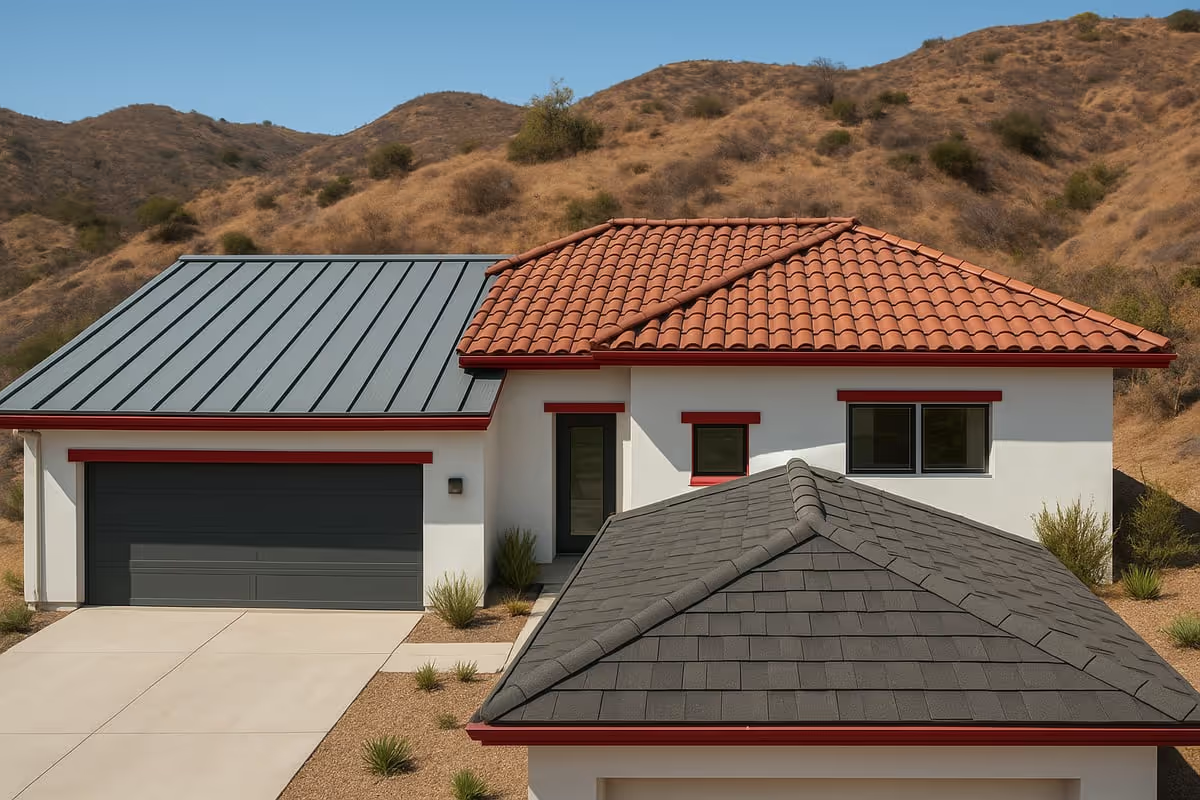
Metal roofing is one of the most reliable fire resistant roofing materials available to homeowners in Southern California. These roofs are made from non-combustible metals such as steel, aluminum, or copper, and they offer a Class A fire rating, which is the highest level of protection recognized by building codes. Metal roofs are lightweight, durable, and can last 40 to 70 years with proper maintenance.
In recent wildfires across California, homes with metal roofs have repeatedly outperformed those with standard materials, often remaining intact when neighboring structures were destroyed. The smooth surface of metal roofing also helps shed embers, reducing ignition risk. For homeowners seeking a modern look and maximum fire safety, metal roofing is a top contender.
Concrete and Clay Tiles
Concrete and clay tiles are popular fire resistant roofing materials in Los Angeles, especially for homes with a Mediterranean or Spanish architectural style. These tiles are naturally fire resistant and carry a Class A fire rating. Their dense composition helps prevent the penetration of flames and embers, a crucial advantage in wildfire-prone areas.
While these tiles are highly durable and can last several decades, their weight requires that the underlying structure be properly engineered for support. Maintenance typically involves periodic inspection for cracks or displacement. Concrete and clay tiles not only enhance curb appeal but also deliver proven fire safety for Southern California homes.
Slate Roofing
Slate roofing stands out among fire resistant roofing materials due to its natural stone composition and unmatched durability. Slate is non-combustible and provides a Class A fire rating, making it a preferred choice for historic buildings and luxury homes in wildfire zones. Its lifespan often exceeds 100 years, with minimal maintenance required beyond routine inspection for broken or slipped tiles.
The installation of slate is technically demanding and requires a reinforced roof structure to support its significant weight. Although slate is a higher upfront investment, the long-term fire safety and longevity it provides can make it cost-effective over time. In fire-prone neighborhoods, slate roofs have demonstrated exceptional resilience.
Synthetic and Composite Roofing
Recent advancements in synthetic and composite roofing have produced fire resistant roofing materials designed specifically for wildfire defense. These products mimic the appearance of traditional shakes or shingles but are engineered with fire-retardant additives and reinforced for strength. Most synthetic and composite options now offer a Class A fire rating, making them suitable for use in high-risk fire zones.
Lightweight and versatile, these materials are easier to install than natural stone or tile and are available in a wide range of colors and textures. When selecting synthetic roofing, always verify certifications and ensure the product meets local code requirements for fire resistance. Modern composite roofs provide both aesthetic flexibility and robust fire protection.
Treated Wood Shakes and Shingles
For homeowners who prefer a classic wood appearance, treated wood shakes and shingles offer a way to incorporate fire resistant roofing materials without sacrificing style. These products are pressure-treated with fire-retardant chemicals, such as those used in the CCA and Certi-GUARD processes, to enhance their resistance to ignition.
However, treated wood shakes and shingles typically achieve only a Class B or C fire rating unless installed with a special fire-resistant underlayment. Periodic retreatment may be necessary to maintain their effectiveness, and local codes in Los Angeles often restrict or regulate their use in designated fire hazard zones. Always consult California Building Code Chapter 7A for specific requirements before choosing this option.
Asphalt Shingles
Asphalt shingles remain the most common roofing choice in the United States, but not all are created equal when it comes to fire resistance. Homeowners should prioritize Class A fire resistant roofing materials, which are specially constructed with multiple layers and mineral granules to slow flame spread.
While asphalt shingles are cost-effective and relatively easy to install, they do not provide the same longevity or resilience as metal, tile, or slate. Still, upgrading to a Class A asphalt shingle can offer meaningful protection, especially when combined with other wildfire defense measures. Routine inspections are essential to ensure shingles remain intact and free from damage.
Green and Living Roofs
Green and living roofs are an emerging trend in fire resistant roofing materials, especially for environmentally conscious homeowners. These systems use layers of soil and vegetation to provide insulation and reduce stormwater runoff. When designed correctly, with fire-resistant plants and built-in firebreaks, green roofs can offer a degree of wildfire protection.
However, careful planning is required to prevent the accumulation of dry, flammable material. Regular maintenance, adherence to local regulations, and thoughtful plant selection are critical for ensuring that living roofs contribute to fire safety rather than increasing risk. Green roofs can combine sustainability with improved protection when managed properly.
Practical Steps to Maximize Roof Fire Resistance
Protecting your Los Angeles home from wildfires starts with understanding the value of fire resistant roofing materials. As wildfire risks escalate across Southern California, choosing the proper roofing and maintenance strategies is essential for defending your property. Below, we outline six practical steps every homeowner should take to maximize roof fire resistance and improve overall wildfire safety.
Step 1: Choose the Right Fire Rated Roofing Material
Selecting the right fire resistant roofing materials is the foundation of wildfire protection. In Southern California, Class A fire ratings offer the highest resistance to flames and embers. Prioritize these materials for any new roof installations or replacements.
Consult local building codes and wildfire zone maps to ensure compliance. LA County, for example, mandates Class A roofing in Very High Fire Hazard Severity Zones. Investing in certified fire resistant roofing materials not only safeguards your home but may also help reduce insurance premiums.
Step 2: Seal Roof Gaps and Vulnerabilities
Even with fire resistant roofing materials, small gaps can allow embers to ignite your home. Focus on sealing vulnerable areas at eaves, ridges, and intersections where the roof meets walls.
Use fire-resistant flashing and high-quality sealants designed for exterior use. By addressing these entry points, you significantly increase the effectiveness of your fire resistant roofing materials and limit the risk of ember intrusion during a wildfire.
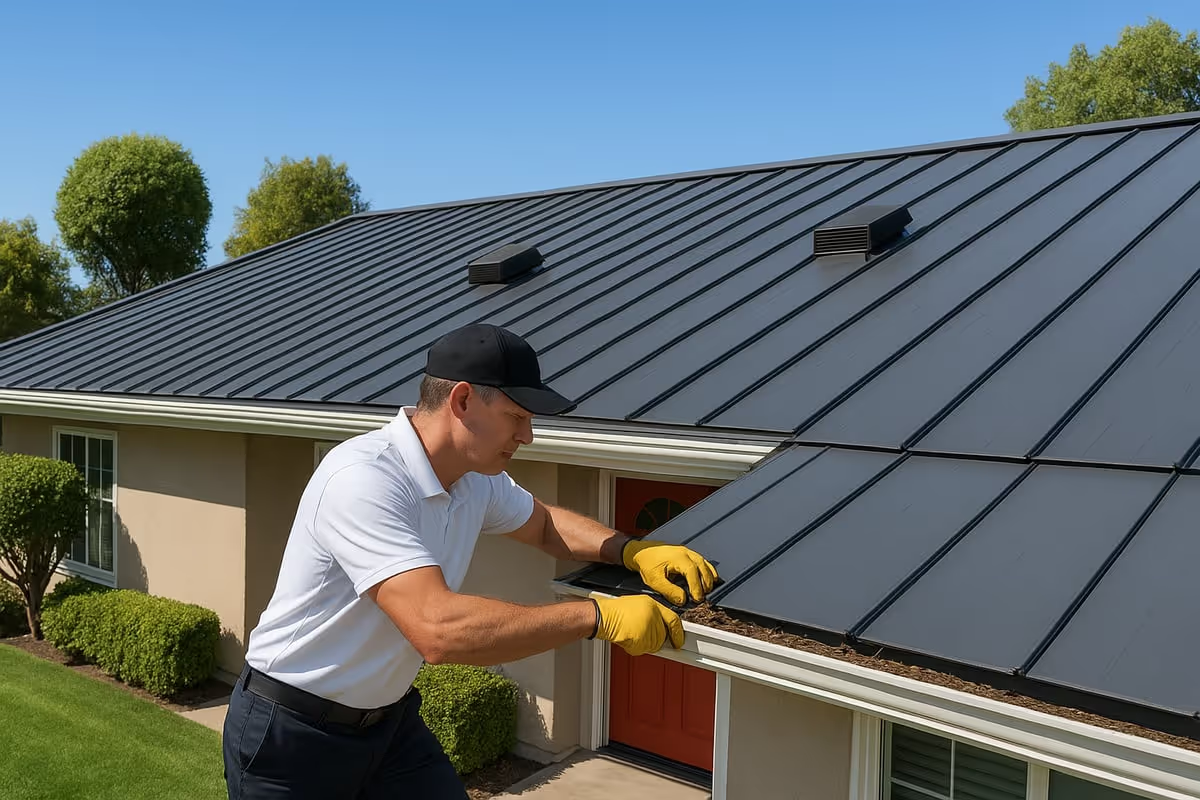
Step 3: Keep Roof and Gutters Clear of Debris
Debris such as leaves, pine needles, and twigs can ignite quickly, even on roofs made of fire resistant roofing materials. Schedule regular maintenance, especially during fire season, to clear your roof and gutters.
Install gutter guards and ember-resistant screens to minimize accumulation. Monthly cleaning can make a substantial difference, keeping ignition sources away and ensuring your fire resistant roofing materials perform as intended.
Step 4: Inspect Flashing and Roof Penetrations
Roof penetrations, like skylights, vents, chimneys, and solar panels, are common weak spots. Regularly inspect these areas to ensure all components are constructed with fire resistant roofing materials or have appropriate fire-rated barriers.
Professional inspections can identify gaps or deteriorating flashing that might otherwise be missed. Proper installation and upkeep of these features enhance the overall fire resistance of your roof system.
Step 5: Maintain Defensible Space Around the Roof
Maintaining defensible space is critical, even if you have fire resistant roofing materials. Trim overhanging branches and remove flammable vegetation within at least five feet of your roofline. California law requires maintaining defensible space (Zone 0) to minimize fire spread.
For more guidance, see our Defensible space for wildfire protection resource. This proactive step supports your roofing investment and can positively impact insurance eligibility.
Step 6: Upgrade Attic and Soffit Vents
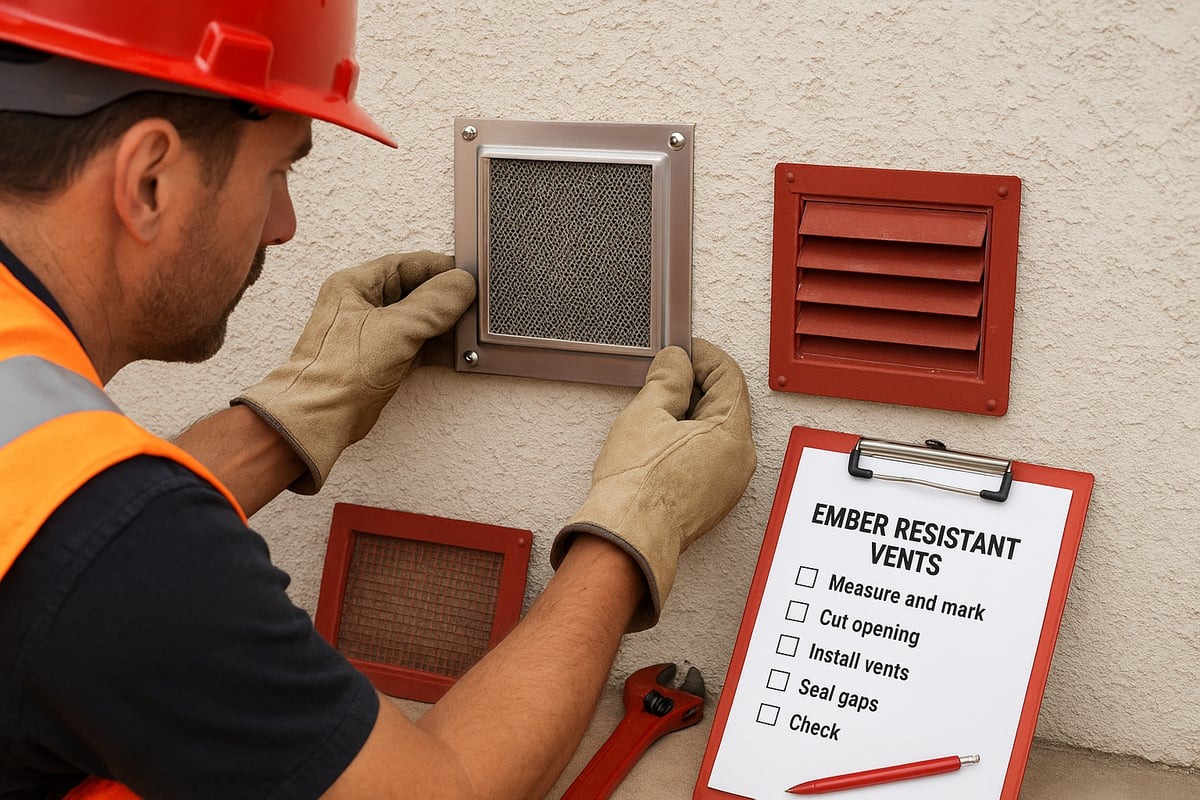
Many homes with fire resistant roofing materials remain vulnerable due to standard attic and soffit vents. Embers can slip through vents and ignite attic insulation, bypassing even the best roofing.
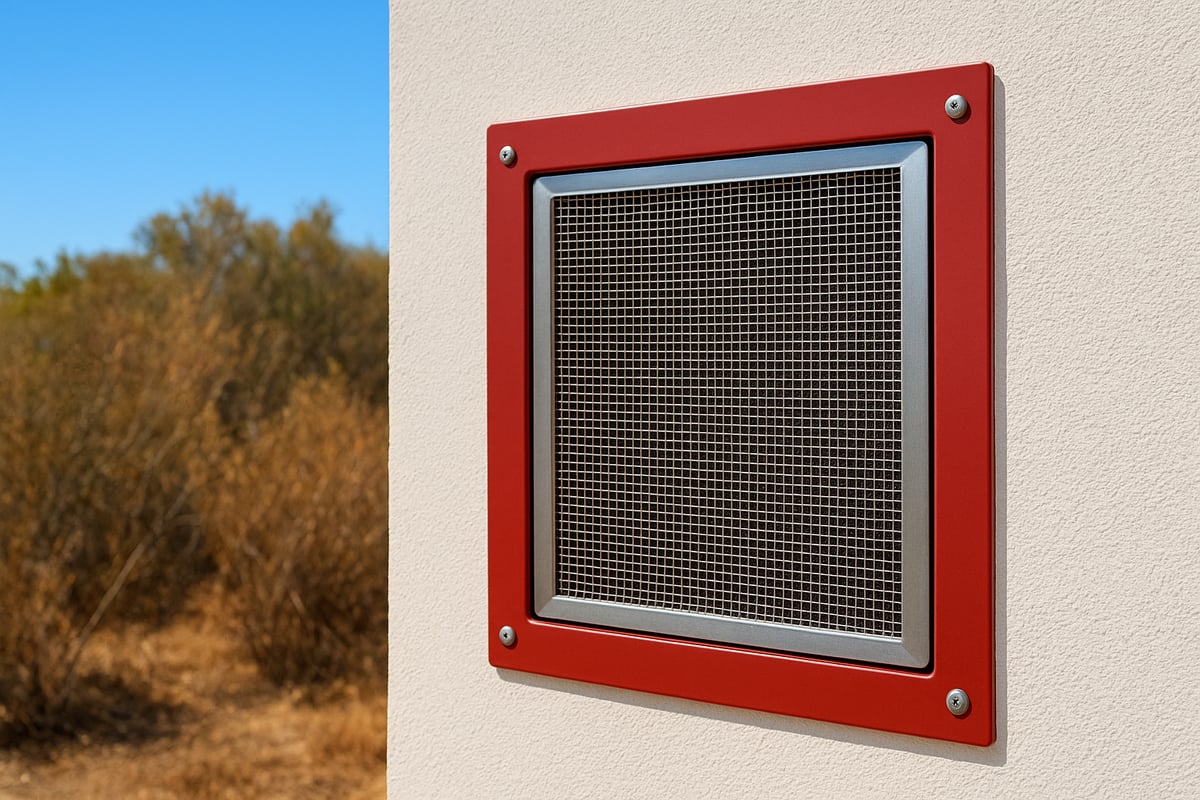
Upgrade to ember-resistant vents that meet local code requirements. Look for products with fine mesh screens and non-combustible materials. Proper installation is essential to maximize protection and complement your fire resistant roofing materials.
At Matador Fire, we understand that fire resistant roofing materials are only one part of a comprehensive wildfire defense plan. Our services include professional ember-resistant vent installation, application of non-toxic fire retardants, and custom wildfire defense systems. These solutions work together to provide holistic home protection.
Ready to take the next step? Contact Matador Fire today for a free wildfire defense consultation. Our experts will assess your property, identify vulnerabilities, and deliver a tailored plan to maximize your home’s safety and peace of mind.
Beyond Roofing: Advanced Wildfire Defense Solutions
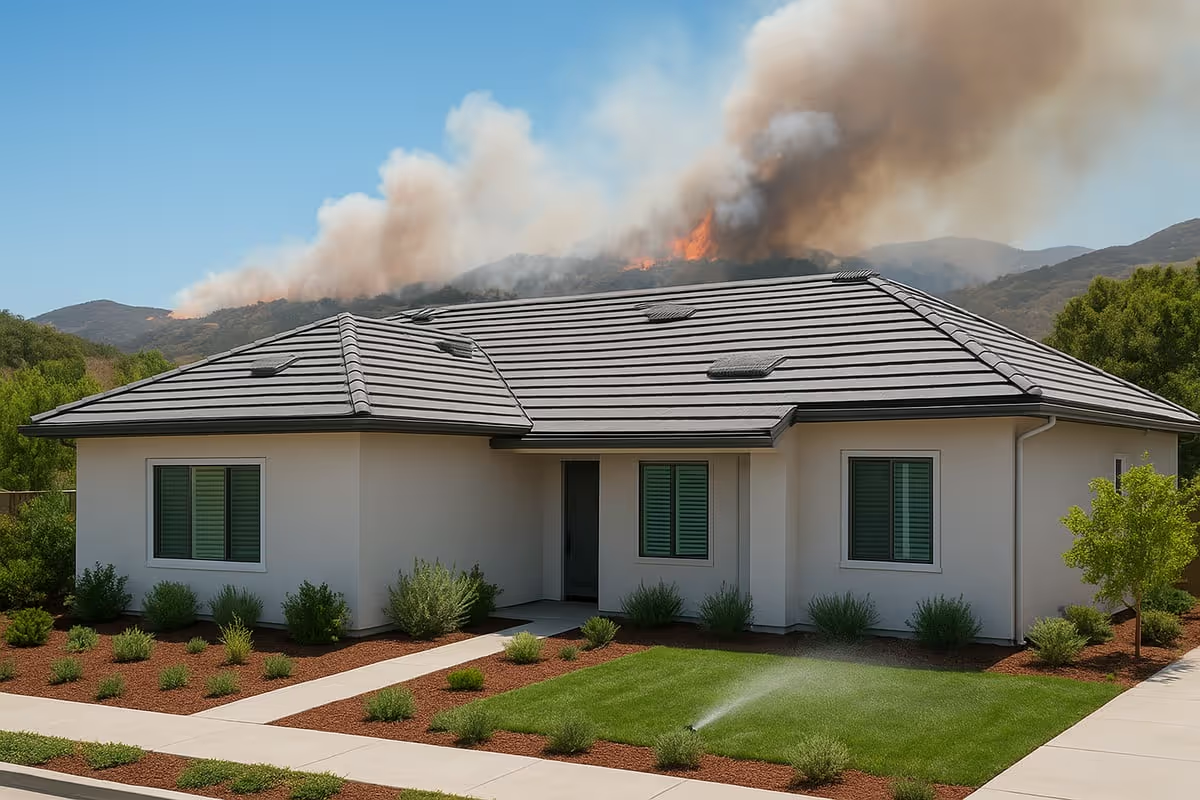
Wildfire threats in Los Angeles have grown more complex, and even the best fire resistant roofing materials cannot guarantee complete protection. Roofing is a critical first line of defense, but embers, radiant heat, and vulnerable home features can still put properties at risk. In many recent wildfires, homes with Class A roofs were still lost due to embers infiltrating vents or igniting surrounding vegetation. Understanding these limitations is the first step toward a truly resilient home.
Why Roofing Alone Isn’t Enough
No matter how advanced your fire resistant roofing materials are, wildfires attack homes from multiple angles. Ember storms can infiltrate attics through vents, or ignite debris in gutters and landscaping. Radiant heat may compromise windows and siding. Studies show that many homes with top-tier roofing still suffer losses when other vulnerabilities are overlooked. To truly protect your property, you must address all weak points, not just the roof.
Matador Fire: Comprehensive Wildfire Defense for LA Homeowners
At Matador Fire, we believe in a holistic approach to wildfire defense. Our services go beyond installing fire resistant roofing materials. We offer ember-resistant vent installation, professional application of non-toxic fire retardants, and on-demand wildfire defense systems tailored to your property. These solutions have been trusted by first responders and are designed specifically for Southern California’s unique wildfire risks. By combining these services, we help homeowners achieve unmatched levels of safety and peace of mind.
Integrated Home Protection Strategies
Effective wildfire defense is about layering multiple safeguards. Combining Class A fire resistant roofing materials with sealed gaps, ember-resistant vents, and defensible space dramatically increases your home’s chance of survival. Our integrated approach also includes gutter protection and professional risk assessments. For details on how these solutions work together, visit our Wildfire defense system solutions page for an in-depth look at our offerings. This comprehensive strategy not only protects your investment but also supports community-wide resilience.
How to Get Started: Free Wildfire Defense Consultation
Taking action today is the best way to protect your home. Matador Fire offers a free, no-obligation consultation to evaluate your property’s wildfire vulnerabilities. Our experts review your fire resistant roofing materials, inspect vents and roof penetrations, and assess your defensible space. You’ll receive a detailed risk report and customized recommendations. Proactive planning can make the difference between loss and survival—contact us to schedule your free assessment and start building your wildfire defense plan.