The Ultimate Guide to Home Hardening in 2026
Wildfires are no longer a distant threat—they’re a reality for thousands of Southern California homeowners every year. Is your home truly prepared?
Home hardening is the process of strengthening your home’s most vulnerable features, like vents, framing, and attic spaces, to prevent ignition from wind-driven embers and radiant heat. As wildfire risks climb in Los Angeles, simple steps matter: inspect attic vents, seal roof gaps, replace vent screens, close eave openings, and clear flammable debris near walls.
While these actions help, nothing beats a comprehensive plan. Matador Fire offers expert ember-resistant vent installation, structural frame applications, and attic spray treatments for total protection. Ready to defend your home? Contact us for a free, no-obligation consultation today.
What is Home Hardening and Why Is It Crucial in 2026?
Wildfires are a growing threat in Southern California, and the risk is only increasing each year. As a wildfire defense expert at Matador Fire, I have seen firsthand how a few targeted upgrades can make the difference between a home that survives and one that does not. That is why understanding home hardening is more important than ever in 2026.
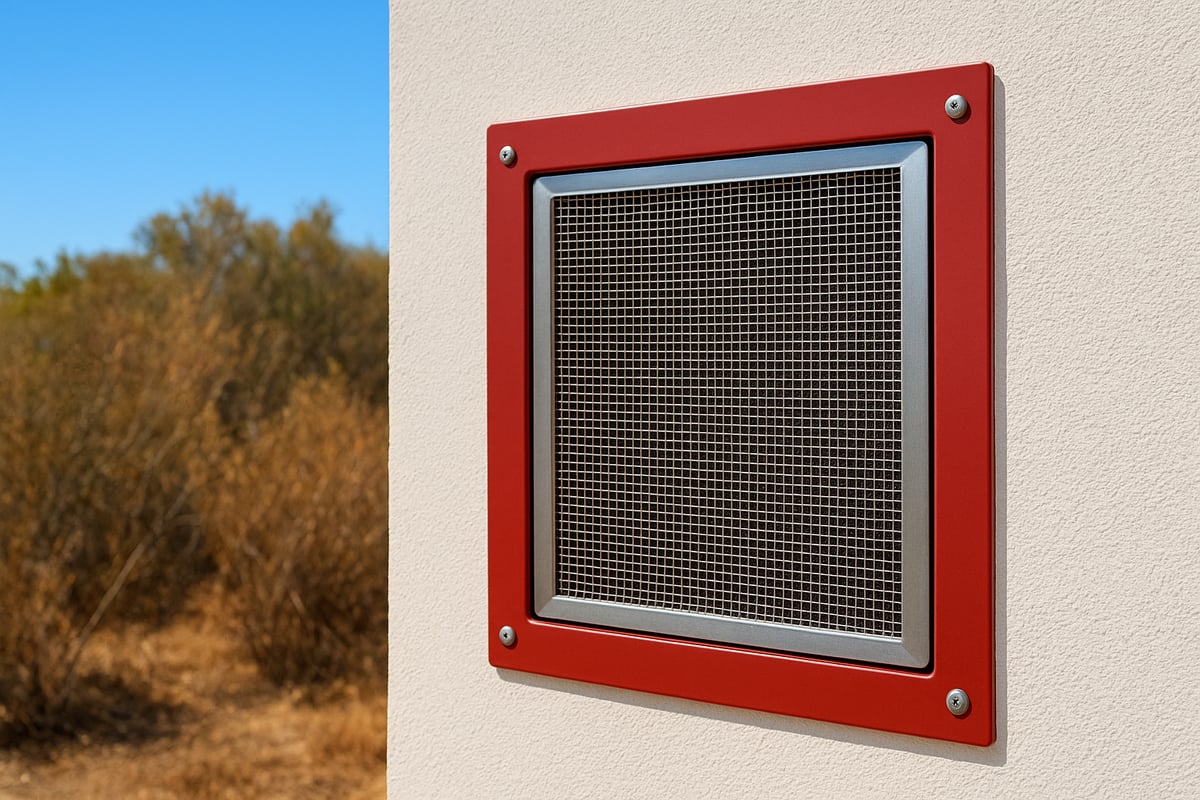
What is home hardening? Simply put, home hardening is the process of strengthening your home’s exterior and most vulnerable points to withstand embers, radiant heat, and flames from a wildfire. For Los Angeles homeowners, this means focusing on areas like vents, attic spaces, and roof edges where embers are most likely to enter and ignite your home.
Recent wildfire data shows that both the frequency and intensity of fires in Southern California are on the rise. Over the past decade, property losses have soared as wildfires have burned through neighborhoods that once felt safe. The reality is, up to 90% of homes lost to wildfire are not consumed by direct flames, but by embers that slip through small cracks and ignite hidden spaces.
Traditional construction, especially homes built before modern codes, leaves many vulnerabilities. Older roof materials, open eaves, and unprotected vents give embers easy access to attics and walls. Even small gaps in your roof or siding become dangerous entry points during a wind-driven ember storm.
The main threats to your home during a wildfire are:
- Wind-blown embers: These can enter attic vents and ignite insulation.
- Radiant heat: Enough to break windows and ignite siding from a distance.
- Direct flames: Less common, but devastating if they reach your structure.
Take, for example, the 2020 wildfires in Los Angeles County. Many homes were lost because embers bypassed outdated vent screens or entered through roof gaps, while homes with upgraded features remained standing.
Insurance companies and local governments now recognize that home hardening is essential. New building codes, insurance requirements, and incentive programs reward homeowners who invest in these critical upgrades. Without proper home hardening, you risk not only financial loss, but also emotional distress and wider impacts to your community.
What can you do right now to begin home hardening?
- Inspect attic, soffit, and crawlspace vents for gaps or damaged screens.
- Seal roof edges and gaps where embers might enter.
- Replace vent screens with ember-resistant mesh (1/16–1/8 inch).
- Box in open eaves using noncombustible materials.
- Remove flammable debris and items from within five feet of your home’s exterior.
These steps are a strong start, but complete protection requires a comprehensive plan. At Matador Fire, we provide professional CAL FIRE's home hardening resources and expert services, including ember-resistant vent installation, structural frame treatments, and attic spray applications. Our team uses the latest technology and proven methods to secure every vulnerable point.
While some upgrades are DIY-friendly, the most effective home hardening is done by experts who understand the unique risks of Southern California. If you want peace of mind and the highest level of protection, contact Matador Fire for a free, no-obligation assessment. We are here to help you defend your home and investment in 2026.
Step-by-Step Home Hardening Checklist for 2026
Wildfire season in Southern California is growing longer and more intense every year. As a wildfire defense expert at Matador Fire, I have seen firsthand how a well-executed home hardening plan can mean the difference between loss and survival. Here is a practical, step-by-step checklist designed specifically for Los Angeles homeowners seeking to protect what matters most.
Step 1: Inspect and Upgrade Your Roof
Start at the top. Your roof is your home’s first line of defense. Replace wood or shingle roofs with Class A fire-rated, noncombustible materials such as composite, metal, or tile. Carefully inspect for missing tiles or gaps, as even small openings can let in embers.
Step 2: Seal Roof Gaps and Install Drip Edges
Pay close attention to where the roof meets the walls. Install noncombustible drip edges to block embers from getting under shingles or tiles. Seal any visible gaps. This simple home hardening upgrade greatly reduces ignition risk.
Step 3: Upgrade Attic, Soffit, and Foundation Vents
Traditional vents are a main entry point for wind-blown embers. Replace them with ember-resistant vents that use 1/16 to 1/8 inch metal mesh. Be sure to check both attic and foundation vents. At Matador Fire, we recommend only WUI-approved, professionally installed vent systems.
Step 4: Reinforce or Replace Windows
Dual-pane tempered glass windows withstand radiant heat better than single-pane. Add ember-resistant screens for extra protection. This step is critical for home hardening, especially on sides facing wildland areas.
Step 5: Box-In Eaves and Soffits
Open eaves and soffits are highly vulnerable. Box them in with noncombustible materials such as fiber cement or stucco. This prevents embers from lodging in cracks and igniting the attic.
Step 6: Replace or Treat Siding
Siding should be noncombustible or ignition-resistant. Stucco, brick, and fiber cement are ideal options. For wood siding, consider applying a fire-retardant treatment. Siding upgrades are a key part of any effective home hardening strategy.
Step 7: Harden Decks, Patios, and Porches
Replace wood decking with ignition-resistant materials, and create an ember-resistant zone beneath with gravel or concrete. Regularly clear leaves and debris from under decks, as embers can easily ignite these hidden areas.
Step 8: Clean and Cover Gutters
Gutters often collect flammable debris. Clean them out frequently and install noncombustible gutter guards. This step is essential to prevent embers from sparking a fire along the roofline.
Step 9: Seal Garage Doors and Install Battery Backups
Gaps in garage doors can let embers in. Install weather stripping and ensure a tight seal. Consider a battery backup for the garage door opener, allowing quick evacuation even if power is lost.
Step 10: Remove Combustibles from the 5-Foot Zone
No mulch, wood piles, or patio furniture should be within five feet of your home. This clear zone is one of the most effective home hardening measures you can take to stop fire from spreading to your walls.
Step 11: Maintain Visible Address Signage and Clear Driveways
Make sure your address is clearly visible for emergency responders. Keep driveways and access paths clear of overhanging branches or obstacles.
Real-World Results: Data and Examples
Studies show these home hardening steps dramatically increase survival rates. Homes with Class A roofs and ember-resistant vents had a much higher chance of withstanding recent LA wildfires. For a deeper look at the effectiveness of these strategies, visit our Wildfire preparation resources page for guides and checklists.
Ongoing Maintenance Is Critical
No home hardening plan is complete without ongoing maintenance. Inspect vents, gutters, and rooflines before fire season. Remove new debris and check for damage after wind events.
Why Choose Matador Fire?
While many steps can be done by homeowners, the most effective home hardening involves professional assessment and installation. At Matador Fire, we offer expert ember-resistant vent installation, structural frame fire-retardant applications, and attic spray treatments for complete protection. We understand the unique risks facing Los Angeles properties.
Ready to take the next step in defending your home? Schedule a free, no-obligation consultation with Matador Fire today. Let us help you build a comprehensive home hardening plan that gives you peace of mind for wildfire season and beyond.
.avif)
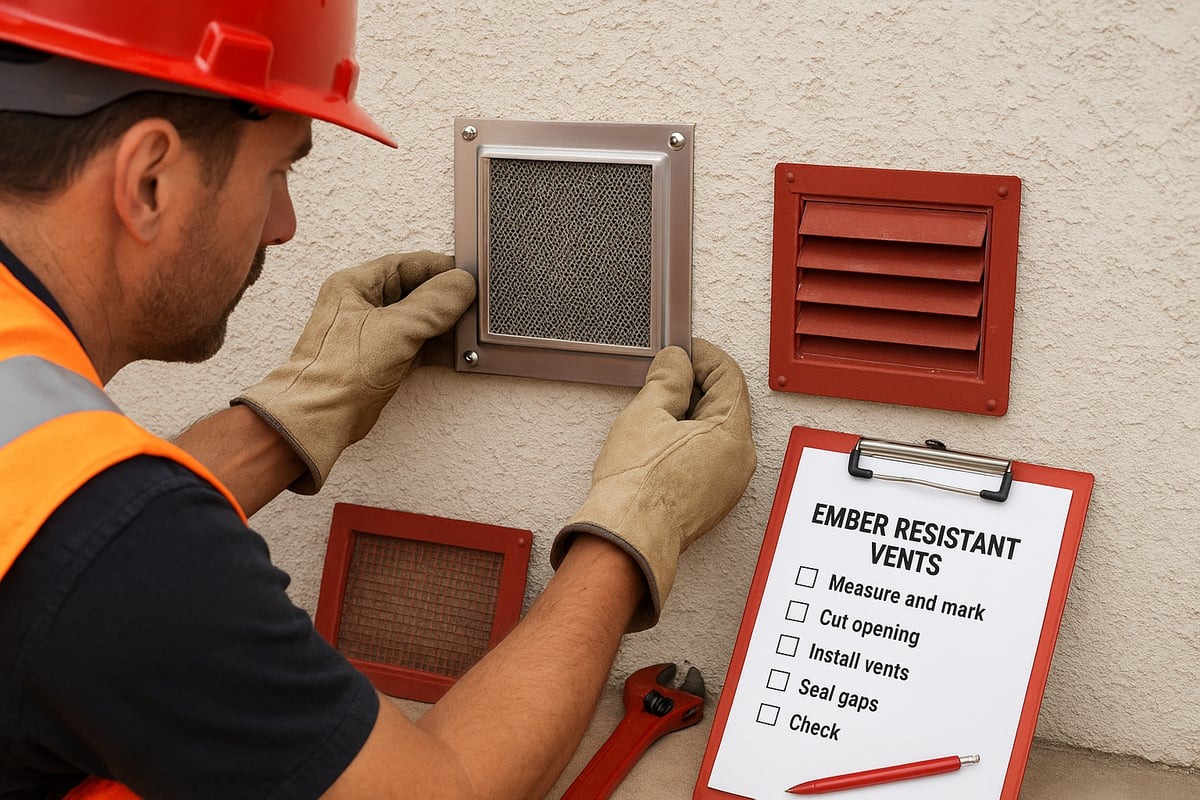

The Role of Ember-Resistant Vents, Framing, and Attic Protection
Wildfire defense in Los Angeles starts with one essential principle: stopping embers before they ignite your home. At Matador Fire, we see firsthand how home hardening—especially in vents, framing, and attic spaces—can mean the difference between survival and loss. Understanding these vulnerabilities and taking action is critical for every Southern California homeowner.
Why Ember-Resistant Vents Matter
The weakest link in most homes during a wildfire is the vent system. Standard attic, soffit, and crawlspace vents allow embers to penetrate, landing on insulation or wood framing. These tiny, wind-driven embers are responsible for up to 90 percent of home ignitions during wildfires.
Modern home hardening requires upgrading vents with ember-resistant technology. Look for vents with mesh screens sized between 1/16 and 1/8 inch, made from corrosion-resistant metals. These meet the latest Wildland Urban Interface (WUI) standards, providing a physical barrier while maintaining airflow. Sealing gaps around roof edges and eaves further limits ember entry, and is a foundational step in comprehensive home hardening.
Steps Homeowners Can Take Now
There are several practical actions you can take today to strengthen your home hardening strategy:
These steps, when completed regularly, dramatically reduce the risk of ember intrusion and ignition. Remember, even a small oversight can compromise the entire home hardening plan.
How Professional Solutions Complete Your Home Hardening Plan
While DIY steps are valuable, advanced home hardening calls for expert assessment and specialized treatments. At Matador Fire, we provide comprehensive solutions to address every vulnerability:
We have seen numerous cases where these combined measures helped homes withstand severe ember storms, even as neighboring structures were lost. According to industry data, properly screened vents can reduce ember intrusion risk by over 80 percent.
If you want to ensure every aspect of your home hardening plan is covered, explore our professional wildfire defense services for a tailored solution.
No two homes are alike, and the stakes are too high for guesswork. For a complete, customized home hardening assessment, contact Matador Fire today. Our no-obligation consultation will help you protect your family, your investment, and your peace of mind.
Matador Fire: Professional Wildfire Defense Solutions for Los Angeles Homeowners
Wildfires are an ever-present concern for Los Angeles homeowners, and proactive home hardening is the most effective way to defend your property. At Matador Fire, we specialize in helping you strengthen your home’s most vulnerable areas, especially vents, framing, and attic spaces. Our mission is to give you peace of mind through expert strategies and proven solutions.
Why Home Hardening Matters in Los Angeles
Home hardening means fortifying your home’s exterior to withstand wildfire embers, radiant heat, and direct flames. In Southern California, embers are the leading cause of property loss. When embers find their way through poorly protected vents or roof gaps, they can ignite insulation and framing, causing catastrophic damage. That’s why home hardening is not just a recommendation, but a necessity for every homeowner in our region.
Actionable Steps Every Homeowner Can Take
You can make a significant difference in your home’s wildfire resilience by focusing on these critical steps:
By following these steps, you address the most common vulnerabilities that lead to home ignition during a wildfire. Consistent inspection and maintenance ensure your home hardening efforts remain effective year after year.
Matador Fire’s Comprehensive Protection Services
While these actions are a strong start, true home hardening requires a systematic, professional approach. At Matador Fire, we offer:
We use the same quality fire retardants trusted by CAL FIRE and the US Forest Service. All our solutions are eco-friendly and safe for pets and families. Our team is committed to helping Los Angeles neighborhoods build community-wide resilience.
Take the Next Step in Home Hardening
Protecting your home and loved ones starts with a single step. While DIY measures are important, an expert evaluation ensures every vulnerability is addressed. Schedule a free, no-obligation assessment with Matador Fire. Let us help you create a comprehensive home hardening plan that stands up to the realities of wildfire risk in 2026 and beyond.