9 Essential Home Ignition Zone Checklist Tips for 2026
Wildfire season in Los Angeles is growing more unpredictable each year, with homes facing greater threats from intense heat and flying embers. As a wildfire defense expert at Matador Fire, I know that understanding and mastering your home ignition zone is the most effective way to stand between your family and disaster. That is why our home ignition zone checklist for 2026 is designed to give you the proactive steps you need to reduce risk before flames are even on the horizon.
In this guide, you will discover expert-backed, step-by-step actions to fortify your property. From clearing debris and maintaining defensible space to implementing next-level solutions, you will find essential tips for total home ignition zone defense. Ready to protect what matters most? Let us begin.
Understanding the Home Ignition Zone
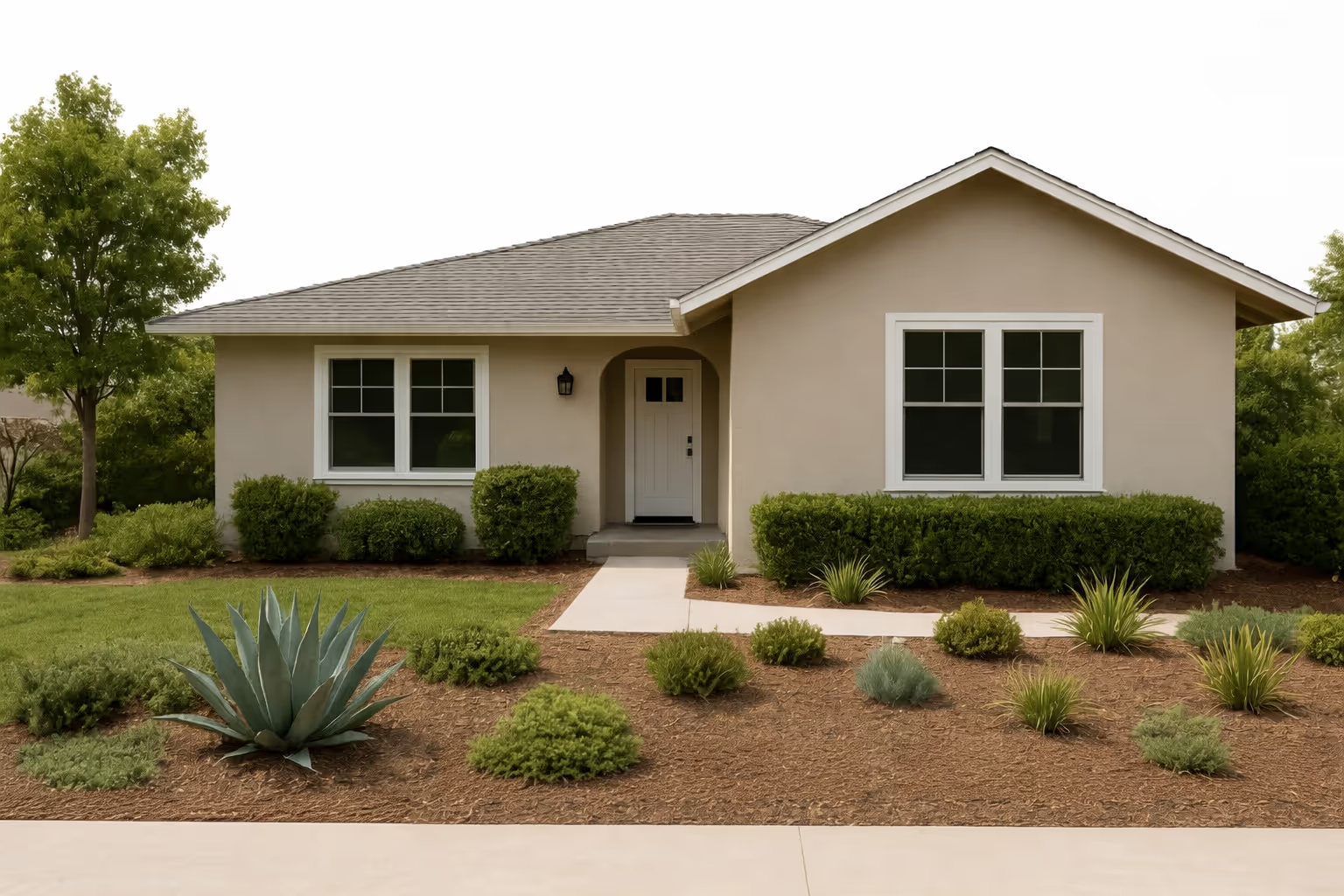
The home ignition zone is the foundation of wildfire defense for any Los Angeles property. Developed by fire science experts, this concept divides the area around your home into three distinct zones: Immediate (0-5 feet), Intermediate (5-30 feet), and Extended (30-100 feet). Each zone has unique characteristics and risks, demanding tailored strategies to lower ignition potential. By mastering the home ignition zone checklist, homeowners can significantly reduce the chances of wildfire damaging their property.
What Is the Home Ignition Zone?
The home ignition zone is a science-based approach to wildfire safety, first introduced by the U S Forest Service. It divides the property into three zones: Immediate (closest to the home), Intermediate (mid-range), and Extended (furthest out). Each zone plays a vital role in the home ignition zone checklist, helping target specific actions to minimize fire risk.
The Immediate Zone includes the first five feet from your home, where embers can accumulate and ignite flammable materials. The Intermediate Zone covers five to thirty feet, focusing on landscape management. The Extended Zone, up to one hundred feet, aims to slow or stop advancing flames. For a deeper dive into these concepts and practical steps, the Ignition-resistant homes guide offers valuable strategies rooted in the home ignition zone checklist.
Why the Home Ignition Zone Matters in 2026
Wildfire activity in Los Angeles is intensifying, with hotter, drier conditions leading to more frequent and severe events. Recent years have shown that most homes are lost to wind-driven embers, not direct flames, often due to neglect within the home ignition zone checklist. In 2023 alone, embers accounted for over 60 percent of home ignitions.
Insurance companies are raising rates or denying coverage when properties lack defensible space. Homeowners now carry greater responsibility for wildfire mitigation. Using a home ignition zone checklist is no longer optional, but a critical step for protecting your investment and ensuring insurability.
Key Principles of Home Ignition Zone Management
Effective home ignition zone checklist management relies on a few foundational principles. Local ordinances, such as those in Los Angeles County, require maintaining defensible space and regularly clearing vegetation. The checklist emphasizes protecting against both ember exposure and direct flame contact.
Evidence shows that simple measures—like removing debris, hardening vents, and spacing vegetation—dramatically lower ignition risk. Combining these actions with regular home ignition zone checklist reviews ensures your defensible space remains effective throughout fire season.
Common Ignition Hazards in Los Angeles Homes
Los Angeles homes often share similar wildfire vulnerabilities. Wooden fencing, bark mulch, overgrown shrubs, open vents, and aging roofs all present ignition hazards. Local fire events have shown that embers landing on decks or in clogged gutters can quickly ignite structures.
Regular inspections are a crucial part of the home ignition zone checklist. Identifying and addressing these hazards—such as replacing flammable materials, trimming vegetation, and cleaning roofs—can make the difference between a home that survives and one that is lost.
9 Essential Home Ignition Zone Checklist Tips for 2026
Protecting your Los Angeles home from wildfire starts with a thorough, expert-driven home ignition zone checklist. As wildfire defense specialists at Matador Fire, we have seen firsthand how proactive steps can mean the difference between safety and loss. Below, you will find the nine most critical actions every homeowner should take in 2026 to secure their property against wildfire threats.

1. Remove Combustible Debris from the Immediate Zone (0-5 Feet)
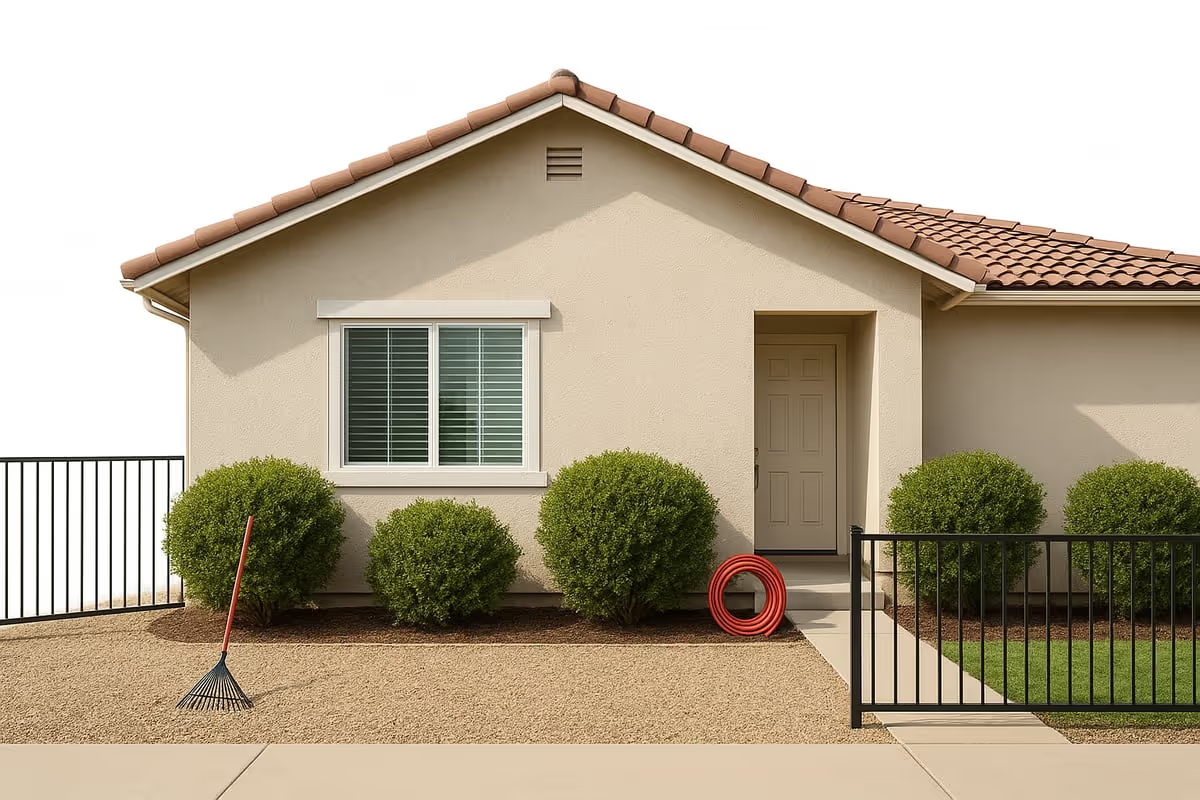
The most critical zone in any home ignition zone checklist is the Immediate Zone, which covers the first five feet from your home’s exterior walls. This area is where embers are most likely to ignite flammable debris, leading to home loss. Regularly sweep porches, decks, and entryways. Clear away leaves, pine needles, and any flammable materials from around the foundation.
Store firewood and other combustibles at least 30 feet away from your home. Many homes in Los Angeles have been saved by this simple step. Research shows that more than 60% of home ignitions begin with debris in this zone. New California's Zone 0 wildfire regulations now require homeowners to create a five-foot ember-resistant buffer. Using non-combustible ground covers like gravel or stone is highly recommended.
A home ignition zone checklist should always start with the Immediate Zone. This is your first line of defense.
2. Maintain Roofs and Gutters Free of Flammable Material
Roofs and gutters are prime targets for wind-blown embers during wildfires. For your home ignition zone checklist, clean roofs and gutters regularly to remove leaves, pine needles, and other debris. Damaged shingles or tiles can allow embers to penetrate the attic, so promptly repair any vulnerabilities.
Install gutter guards to reduce debris accumulation. In Los Angeles, tile and wood shake roofs are particularly at risk. Recent wildfire data from California show that as many as 25% of home ignitions start on the roof or in gutters. Regular maintenance is essential, as even small amounts of debris can threaten your home.
By prioritizing this step in your home ignition zone checklist, you significantly lower your roof’s ignition risk.
3. Prune and Space Vegetation Properly in the Intermediate Zone (5-30 Feet)
Vegetation management is a cornerstone of any effective home ignition zone checklist. In the Intermediate Zone, keep shrubs, trees, and plantings well spaced to prevent flames from reaching your home. Remove dead branches and ladder fuels, which can allow fire to climb into treetops.
Maintain green, well-irrigated landscaping using fire-resistant species such as Toyon, Lemonade Berry, and California Lilac. Visualize a safe zone where each plant stands alone, with no continuous path for fire. Proper spacing and pruning can stop flames before they reach your structure.
This step in the home ignition zone checklist is especially important in Los Angeles, where overgrown vegetation is a common hazard.
4. Harden Vents, Eaves, and Openings Against Embers
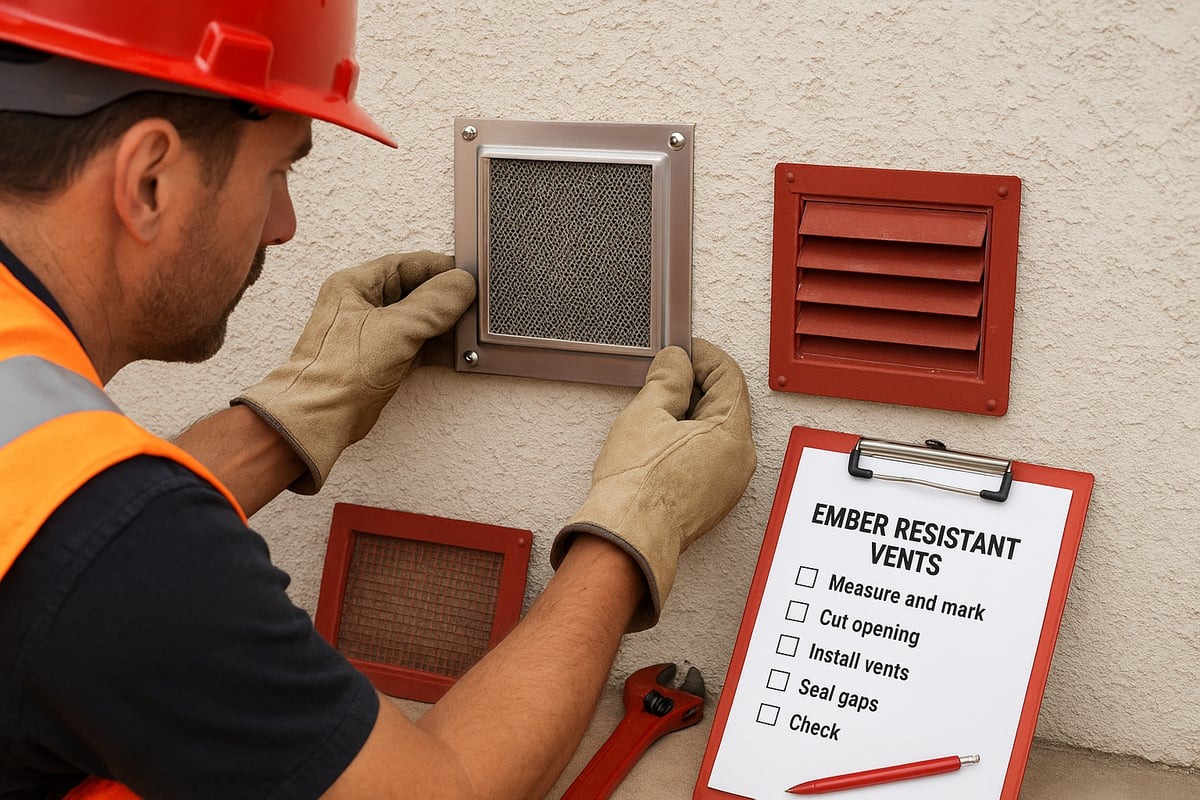
Embers are notorious for finding their way into homes through vents, eaves, and small openings. The home ignition zone checklist must include upgrading to ember-resistant vent covers with 1/8-inch mesh or finer. Box in eaves and enclose soffits to prevent ember entry.
Seal gaps and cracks around attic and foundation vents. Los Angeles building codes have recently updated requirements for vent protection, making this a timely upgrade. Case studies show homes with hardened vents are far less likely to ignite during wildfires.
By following this home ignition zone checklist item, you add a crucial barrier against embers.
5. Upgrade Fencing, Decks, and Attachments to Non-Combustible Materials
Wooden fences, decks, and gates attached to your home can act as a fuse for wildfire. Replace wood fencing within five feet of your house with metal, masonry, or fire-rated composite materials. Retrofit decks and balconies with ignition-resistant surfaces such as concrete or metal.
The home ignition zone checklist should include an evaluation of all attachments. In past Los Angeles wildfires, homes with non-combustible fencing and decks had much higher survival rates. While upgrades require investment, the cost is minimal compared to the potential loss of your home.
Consider this step an essential upgrade in your home ignition zone checklist for 2026.
6. Space and Maintain Outbuildings, Sheds, and Accessories
Secondary structures like sheds, playsets, and trash bins can provide fuel for wildfire if not properly managed. Ensure there is at least 10 to 30 feet of clearance between these outbuildings and your home. Remove flammable items such as patio furniture, toys, and propane tanks during fire season.
Regularly inspect and maintain defensible space around all accessories. In Los Angeles, several fire events have started in outbuildings and quickly spread to homes. The home ignition zone checklist must account for every structure on your property.
This attention to detail helps prevent small fires from becoming catastrophic.
7. Use Fire-Resistant Landscaping and Mulch
Landscaping choices play a major role in wildfire resilience. Replace wood chips and bark mulch near the home with gravel or stone. Select fire-resistant ground covers and plants, focusing on drought-tolerant species well suited to Southern California.
Maintain low, irrigated grass in the Immediate and Intermediate Zones. Mulch-related ignitions are a frequent cause of home loss in urban interface zones. Your home ignition zone checklist should specify only non-combustible materials within five feet of structures.
Thoughtful landscaping can greatly improve your home’s wildfire defenses.
8. Prepare Emergency Water Sources and Tools
Immediate access to water and firefighting tools is vital. Keep hoses attached and ready on all sides of your home. Store buckets, shovels, and fire extinguishers in easily accessible locations. Consider installing an external sprinkler system for added protection.
Be aware of Los Angeles Department of Water and Power restrictions, and ensure your system is compatible. Homes with available water resources have repeatedly been saved during wildfire emergencies. Make sure your home ignition zone checklist includes these preparations.
Being ready with water tools can buy you precious minutes during an emergency.
9. Schedule Regular Home Ignition Zone Inspections
Routine inspections are the backbone of an effective home ignition zone checklist. Conduct seasonal self-assessments, ideally at the start of each fire season. Use a comprehensive checklist to ensure nothing is overlooked.
Engage your local fire department or a wildfire defense expert, such as Matador Fire, for annual reviews. Document all changes and improvements for insurance and safety records. Data shows that homes with regular inspections have dramatically higher survival rates during major wildfire events.
By making inspections a habit, you close the loop on your home ignition zone checklist and ensure ongoing protection.
Next-Level Home Ignition Zone Protection: Professional Solutions
Mastering your home ignition zone checklist is the foundation of effective wildfire defense in Los Angeles. As wildfire defense experts at Matador Fire, we see firsthand how the right steps, taken early, can make all the difference. Let’s explore how professional solutions elevate your home’s protection to the next level.
How Matador Fire’s Wildfire Defense Services Secure Your Home Ignition Zone
The home ignition zone checklist starts with steps every homeowner can address. Begin by clearing combustible debris from around your foundation and porches. Make sure to prune shrubs and trees in the 5 to 30-foot zone, keeping vegetation well-spaced and healthy. Regularly clean your roof and gutters, and inspect vents and eaves for any vulnerabilities.
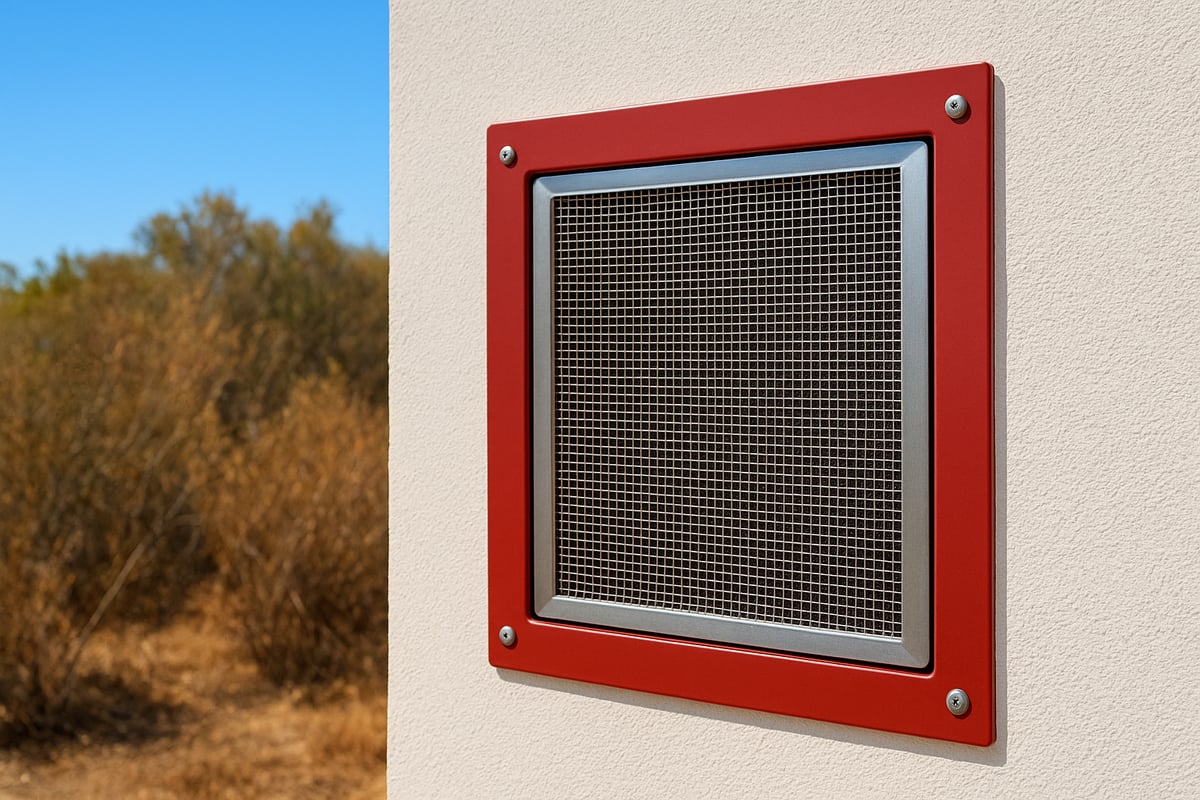
While these actions dramatically reduce risk, professional solutions provide comprehensive protection. At Matador Fire, our team specializes in advanced home ignition zone checklist services. We install ember-resistant vent covers, harden eaves, and seal openings to block dangerous embers. Our experts apply non-toxic fire retardants to landscaping and wood surfaces, creating a protective barrier that lasts through the season.
For homes in high-risk areas, we offer on-demand wildfire defense systems, which can be deployed before evacuation. These systems saturate your property, further decreasing ignition risk. To see how these integrated services work in detail, visit our Wildfire Defense Services Overview for a full breakdown.
Additional Benefits of Professional Wildfire Defense
Choosing professional support for your home ignition zone checklist offers distinct advantages. We use technology and materials trusted by first responders, ensuring every upgrade meets the highest standards. Our team conducts thorough risk assessments, customizing each plan to fit your property’s unique layout and vulnerabilities.
Eco-friendly solutions are a priority. All our fire retardant applications are non-toxic, safe for families, pets, and sensitive landscaping. We also help neighborhoods and homeowners’ associations coordinate large-scale home ignition zone checklist projects, building resilience across entire communities.
Professional services streamline the process, taking the guesswork out of compliance with local ordinances and insurance requirements. This approach not only protects your home, but it also supports your neighbors, reducing risk for everyone in your area. The peace of mind that comes from a fully secured home ignition zone checklist is invaluable.
When to Consider Professional Help
Not every property is the same. If your home is located on a hillside, in a canyon, or near wildland-urban interface zones, professional home ignition zone checklist support is essential. Complex layouts, mature landscaping, or historical features can complicate DIY efforts, making expert intervention the best choice.
Insurance companies increasingly require documented wildfire mitigation. We provide detailed records of every upgrade and inspection, helping you meet these requirements and possibly lower premiums. Even if you have followed the home ignition zone checklist closely, a professional review can reveal hidden risks and offer advanced solutions.
Ready to take your home’s wildfire defense to the highest level? Contact Matador Fire today for a complimentary consultation. Our experts will assess your property, recommend tailored improvements, and help you achieve total home ignition zone checklist readiness for 2026 and beyond.
Home Ignition Zone Readiness: Action Steps for 2026
Preparing your home for wildfire season in Los Angeles begins with understanding the home ignition zone checklist and turning it into real-world action. As wildfire defense experts at Matador Fire, we have seen firsthand how a proactive approach can make the difference between a home that survives and one that does not.
A well-managed home ignition zone checklist is your blueprint for protection. By addressing vulnerabilities in and around your property, you significantly improve your home's odds against embers and advancing flames. Let us walk you through the essential steps every homeowner should take, along with next-level solutions for ultimate peace of mind.
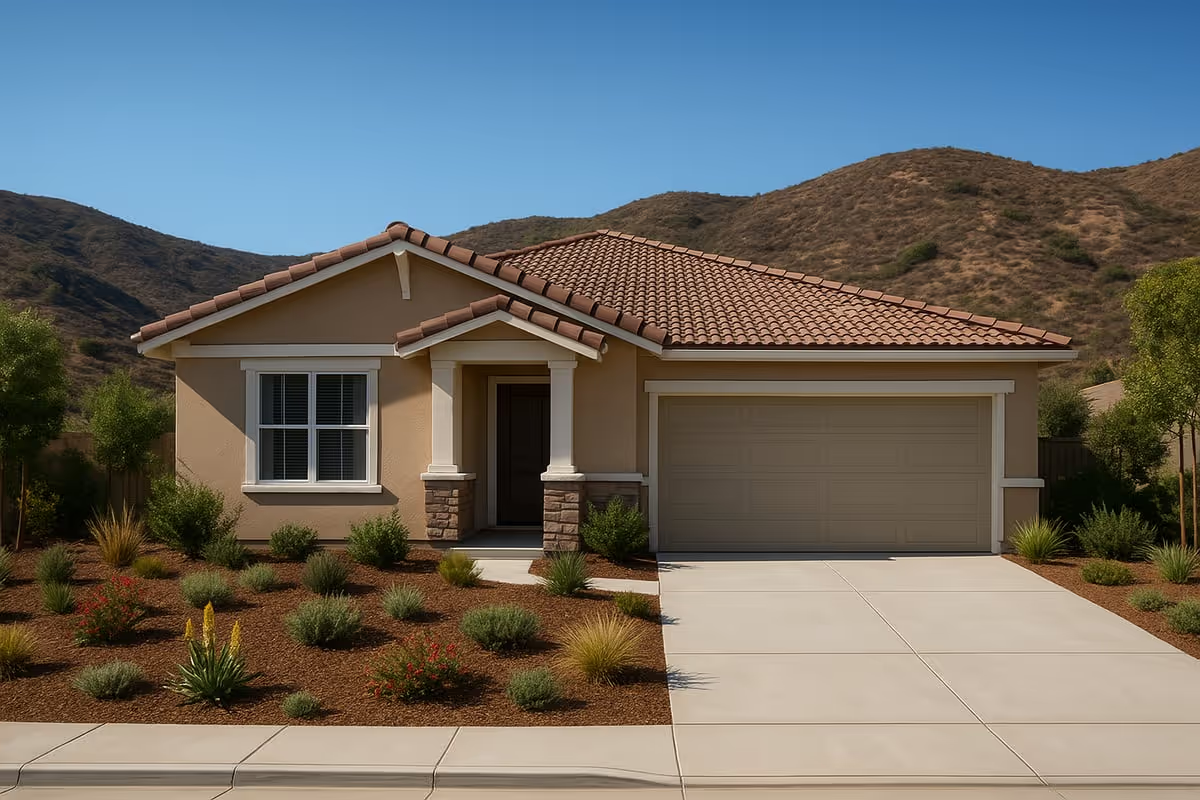
Creating Your Personalized Checklist and Maintenance Calendar
The foundation of wildfire defense is a home ignition zone checklist tailored to your property. Start by mapping out your zones: immediate (0-5 feet), intermediate (5-30 feet), and extended (30-100 feet). Assign tasks to each zone and create a calendar to keep your efforts on track.
Key action items include:
- Clearing all combustible debris from around the foundation and in gutters.
- Pruning shrubs and trees to maintain recommended spacing.
- Inspecting and hardening vents, eaves, and roof edges against embers.
- Replacing flammable mulch with non-combustible materials.
Consistency is critical, so break tasks into monthly and seasonal routines. Use digital tools or a simple spreadsheet to schedule inspections, track completed work, and note areas needing improvement. For a step-by-step guide on creating and maintaining your home ignition zone checklist, consult our Emergency Wildfire Readiness Tips.
By documenting your progress, you not only reduce wildfire risk but also create valuable records for insurance and future planning. This organized approach ensures your home ignition zone checklist stays effective year after year.
Involving Family and Neighbors in Wildfire Preparedness
Wildfire resilience is strongest when it is a shared effort. Encourage your family to participate in home ignition zone checklist tasks, assigning age-appropriate duties to build awareness and safety habits. Involve neighbors by organizing community clean-up days or sharing information on best practices.
Neighborhood-wide initiatives amplify the impact of your individual checklist. By coordinating defensible space efforts, you create a safer buffer for everyone. Consider forming a local wildfire safety group to exchange resources, tools, and updates.
For broader strategies and inspiration, review the Los Angeles Community Wildfire Protection Plan, which highlights collective approaches to home hardening and zone management. When your entire block adopts a home ignition zone checklist, the risk of wildfire loss drops significantly for the whole area.
Regular communication and cooperation foster a culture of readiness, ensuring no home is left vulnerable. Make wildfire preparedness a topic at community meetings and encourage neighbors to commit to annual home ignition zone checklist reviews.
Staying Informed: Wildfire Alerts, Local Regulations, and Resources
Staying current is an essential part of your home ignition zone checklist. Set up emergency alerts from local authorities and monitor wildfire conditions throughout the season. Familiarize yourself with the latest LA County and California fire safety ordinances to ensure your home meets all requirements.
Keep a list of trusted resources, such as fire department websites, community wildfire plans, and expert guides. Regularly update your checklist to reflect new regulations, weather patterns, and scientific advancements.
Participate in local preparedness workshops or webinars to strengthen your knowledge and network with fellow homeowners. By remaining vigilant and informed, you ensure your home ignition zone checklist remains relevant and robust.
Finally, for those seeking an extra layer of protection, Matador Fire offers professional services that go beyond the basics. Our team provides ember-resistant upgrades, specialized fire retardant applications, and on-demand wildfire defense systems—integrating seamlessly with your home ignition zone checklist for comprehensive security. Contact us today for a free consultation and take the next step in safeguarding your home.