Homeowner Defense System Wildfire Cost Guide for 2026
Wildfires in Los Angeles and across California are growing more severe every year, putting homes and families at greater risk. Understanding homeowner defense system wildfire cost is now essential for anyone hoping to protect their property in 2025. Homeowner wildfire defense systems combine proven methods like ember-resistant vents, sprinkler systems, and fire retardant applications to create a safer, more resilient home. Costs can vary based on your property size, system type, and installation needs. In this guide, we break down these factors, offer practical fire-safety steps you can take, and show how Matador Fire’s professional solutions deliver lasting peace of mind. Ready to safeguard your home? Contact us today for a free, no-obligation consultation.
Understanding Homeowner Wildfire Defense Systems
Wildfires in California are more frequent and severe than ever. As wildfire defense experts at Matador Fire, we know that understanding your options is the first step in protecting your home and controlling homeowner defense system wildfire cost. Let us break down what these systems are, why they are essential in 2025, and how to choose the right solution for your property.
What Are Wildfire Defense Systems?
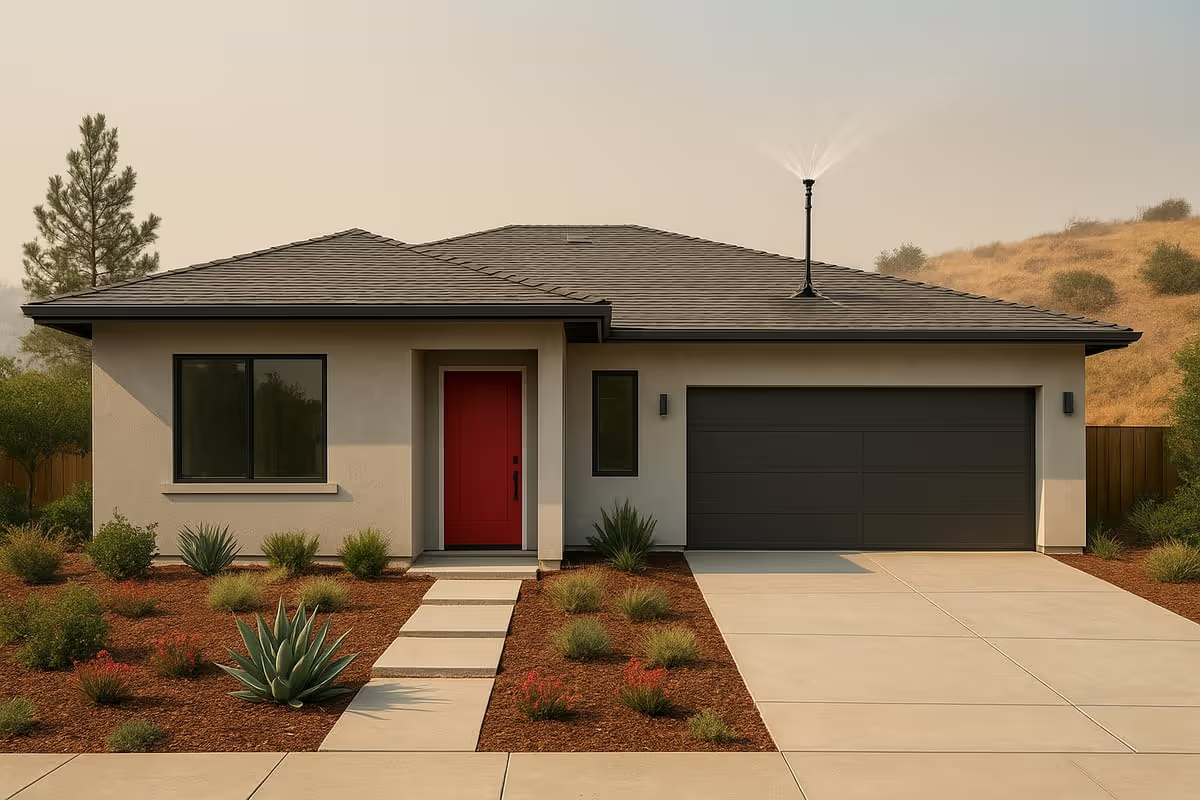
Homeowner wildfire defense systems are integrated tools and strategies designed to protect homes from ignition during a wildfire. Core components include exterior sprinkler systems, ember-resistant vents, and fire retardant applications. These systems work together to create a defensible barrier, reducing the chance of embers or flames igniting your property.
DIY systems often use simple sprinklers and basic mesh screens, while professional-grade solutions offer automated controls, advanced materials, and strategic placement. To dive deeper into the available technologies, see our Understanding Wildfire Defense Systems resource. When evaluating homeowner defense system wildfire cost, understanding system complexity and professional installation is crucial.
Why Wildfire Defense Is Essential in 2025
In 2025, California faces record-breaking wildfire years, as confirmed by CalFire data. Wildfires are larger, faster, and more unpredictable, putting more homes at risk. Insurance companies are tightening restrictions and significantly raising premiums for properties in high-risk zones.
Additionally, Los Angeles County has strengthened local regulations, requiring homeowners to maintain defensible space and invest in protective upgrades. These changes mean that homeowner defense system wildfire cost is now a necessary part of responsible homeownership, not just an optional upgrade.
Types of Homeowner Defense Solutions
There are several types of homeowner wildfire defense solutions to consider:
- Manual systems (portable sprinklers, hose lines)
- Automated systems (roof and perimeter sprinklers with sensors)
- Ember-resistant upgrades (vents, screens)
- Professional retardant application services
Manual systems are affordable but require on-site activation. Automated and ember-resistant upgrades offer greater reliability but come at a higher homeowner defense system wildfire cost. Professional services provide comprehensive protection and are best suited for high-risk or large properties. Choosing the right type depends on your budget, property layout, and personal risk tolerance.
Key Features of Effective Systems
When selecting a system, prioritize non-toxic, eco-friendly fire retardants that do not harm your landscaping or local wildlife. Durability is key—components should withstand extreme heat and weather exposure. Look for systems that are easy to deploy, such as automated sprinklers and quick-acting retardant sprays.
Integration is another crucial factor. The best solutions blend with your existing landscaping and home design, preserving curb appeal while maximizing safety. Considering these factors can help you make smart decisions about homeowner defense system wildfire cost and long-term value.
Factors That Influence System Effectiveness
Several factors impact the effectiveness of your wildfire defense system. These include:
- Property size and shape
- Proximity to dense vegetation or wildland areas
- Home construction materials and design vulnerabilities
- Participation in community-wide defense efforts
A larger lot or complex layout may increase homeowner defense system wildfire cost, while homes built with fire-resistant materials may require fewer upgrades. Neighborhood collaboration also boosts overall resilience, making individual investments more effective.
Taking these factors into account ensures your system delivers the best protection for your unique situation.
Cost Breakdown: What Influences Wildfire Defense System Pricing?
Understanding the homeowner defense system wildfire cost is essential for Los Angeles residents who want to proactively protect their homes. As wildfire threats intensify each year, knowing what drives the cost of these systems will help you make informed decisions and prioritize your investments.
Core Cost Factors for 2025
The homeowner defense system wildfire cost in 2025 is shaped by several core factors. The first is property size and layout. Larger homes or those with complex landscaping require more extensive protection, increasing both material and labor costs.
Customization is another major driver. A standard system may suit some homes, but high-risk or uniquely built properties often need tailored solutions. The type of defense system you choose—manual or automated—significantly impacts both upfront and ongoing expenses.
Labor and installation complexity also play a role. Properties with steep terrain, hard-to-reach areas, or older construction may need specialized installation, raising the overall investment. Local fire codes and defensible space requirements also influence costs, as compliance can involve extra work and materials.
Homeowners can take practical steps to reduce risk and manage costs:
- Regularly clear gutters and roofs of debris.
- Maintain a five-foot “Zone 0” buffer free of combustibles.
- Trim trees and vegetation to reduce fuel.
- Remove flammable materials near structures.
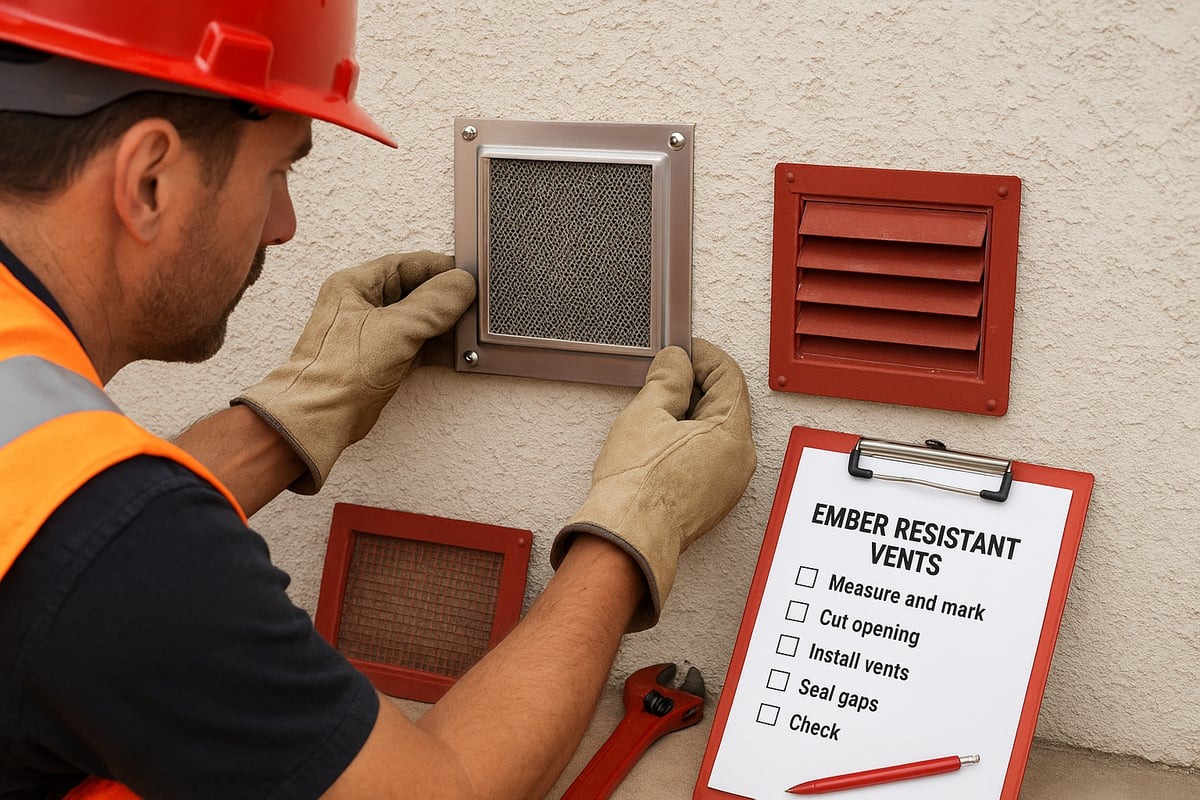
- Upgrade to ember-resistant vents and screens.
Combining these DIY efforts with professional solutions creates the most resilient defense.
Material & Equipment Costs
Material and equipment expenses are a major component of homeowner defense system wildfire cost. Key items include ember-resistant vents, rooftop or perimeter sprinkler systems, and fire retardant storage or application equipment.
Here is a quick comparison of typical costs:
Residential: $900–$2,500 per home
Commercial-grade: $3,000+ per building
Residential: $1,500–$4,500
Commercial-grade: $6,000–$15,000
Residential: $800–$2,000
Commercial-grade: $3,500+
For example, installing ember-resistant vents in an average Los Angeles home can cost between $900 and $2,500, depending on the number of vents and level of fire risk. Automated systems and higher-grade materials raise the homeowner defense system wildfire cost but deliver more robust protection.
Professional Labor and Service Fees
Labor and service fees are another key factor in the homeowner defense system wildfire cost. Professional installers in Los Angeles typically charge $80 to $150 per hour, depending on expertise and project complexity.
Many homeowners opt for annual system checks and maintenance contracts, which can range from $300 to $700 per year. Professional application of fire retardant—using non-toxic, first responder–trusted solutions—often costs $600 to $1,500 per application, depending on property size.
Investing in skilled labor ensures your system is installed correctly, maximizing performance and reliability when wildfire season peaks.
Ongoing Maintenance and Reapplication Costs
Protecting your home is an ongoing commitment, and this is reflected in the homeowner defense system wildfire cost. Fire retardant coatings generally require seasonal or annual reapplication, especially after heavy rains or wind events.
Replacement parts, such as sprinkler heads, filters, or vent screens, may need attention every few years. For a typical 2,500 sq. ft. home, budgeting $500 to $1,000 annually for maintenance and reapplication is wise.
Key ongoing tasks include:
- Inspecting and cleaning sprinkler nozzles.
- Checking vent integrity and replacing damaged screens.
- Scheduling professional fire retardant reapplications.
- Updating system components as technology improves.
Staying proactive ensures your investment remains effective year after year.
Permitting, Inspections, and Compliance Costs
In Los Angeles, permitting and compliance are important factors in the homeowner defense system wildfire cost. Local authorities may require permits for new installations, especially for automated or large-scale systems. Permit fees typically range from $150 to $400.
Inspections for code compliance can cost another $100 to $300, but they are crucial for both safety and insurance eligibility. Some insurers offer discounts if your system passes official inspections and meets local defensible space standards.
Factoring in these administrative costs upfront helps prevent surprises and ensures your system meets all regulations.
Potential Insurance Savings and Incentives
A well-designed defense system not only protects your home but can also reduce the homeowner defense system wildfire cost through insurance savings. Many providers offer premium reductions for homes with certified wildfire mitigation systems.
Incentive programs or rebates may be available through local agencies or state wildfire resilience initiatives. These can offset a portion of installation or upgrade costs, making professional solutions more affordable.
Documenting your system and maintenance can also streamline insurance claims if a wildfire event occurs. This peace of mind is a valuable return on your investment.
As wildfire threats grow, investing in a comprehensive defense system is both a practical and financial decision. Take the next step—contact Matador Fire for a free, no-obligation consultation and discover a custom plan that fits your home and budget.

DIY Wildfire Defense: Practical Steps Homeowners Can Take
Protecting your home in Los Angeles from wildfire is more urgent than ever. As wildfire defense experts at Matador Fire, we want you to understand both the basics of homeowner wildfire defense systems and the factors that influence homeowner defense system wildfire cost in California. These systems are made up of ember-resistant vents, exterior sprinklers, and fire retardant coatings, all working together to create a shield against embers and flames. The homeowner defense system wildfire cost depends on property size, system complexity, and the materials chosen.
Step 1: Clear Gutters and Roofs Regularly
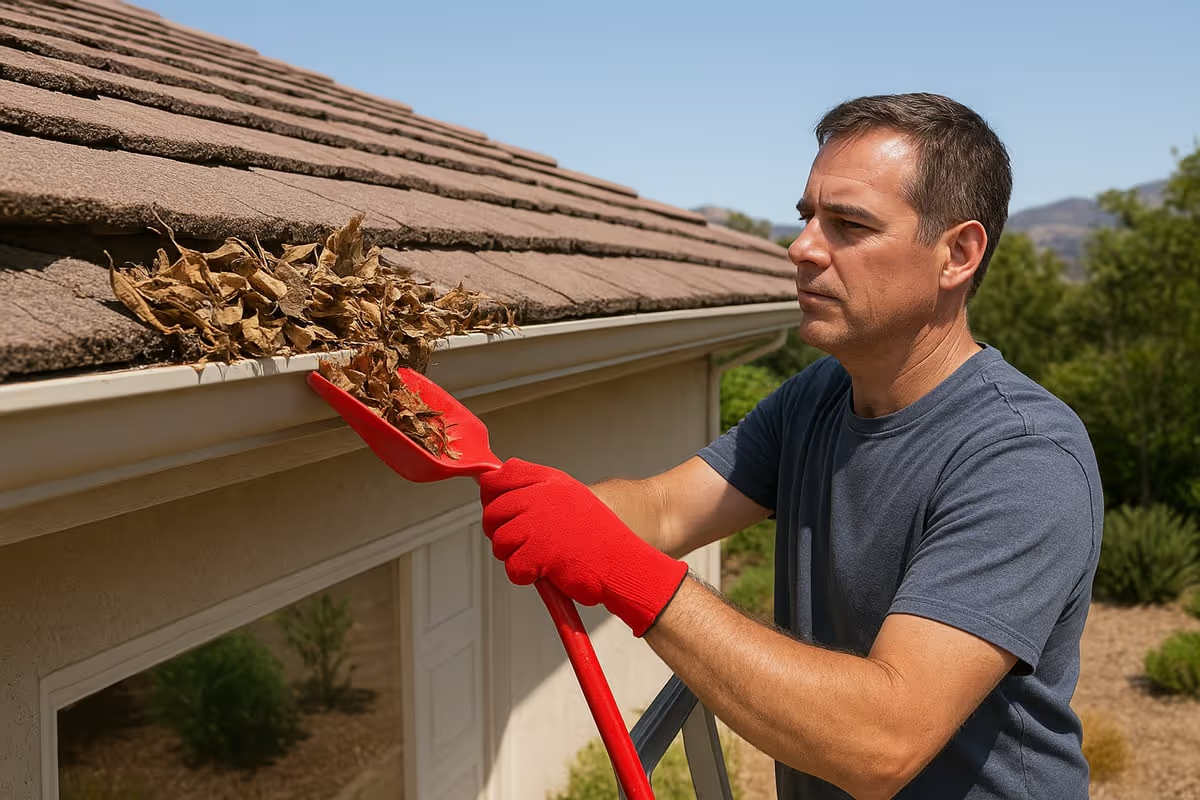
The first line of defense is simple but effective. Keep your gutters and roof free from dry leaves, pine needles, and debris. Embers landing in clogged gutters can ignite fires that spread quickly to your roof. We recommend cleaning gutters at least once a month during fire season. For more comprehensive strategies, refer to these Wildfire Emergency Readiness Tips to supplement your routine. This proactive habit is a low-cost way to lower homeowner defense system wildfire cost by preventing costly repairs.
Step 2: Maintain Defensible Space (Zone 0)
Creating defensible space is critical for every homeowner in a wildfire-prone zone. Focus first on Zone 0, which is the area within five feet of your home. Remove all flammable vegetation, mulch, and outdoor items that could ignite. Replace combustible plants with gravel or hardscape where possible. This step not only increases your safety but can also reduce homeowner defense system wildfire cost by minimizing risks that would otherwise require more complex solutions.
Step 3: Trim Trees and Vegetation
Overgrown trees and shrubs act as fuel ladders, allowing fire to climb from the ground to your roof. Prune trees so branches are at least ten feet away from structures and each other. Remove dead or low-hanging branches and regularly thin dense shrubbery. By lowering your property's fuel load, you can decrease the homeowner defense system wildfire cost, since less intensive protection may be needed for well-maintained landscapes.
Step 4: Remove Combustible Materials Near Structures
Many homes are lost due to ignitions from everyday items left near walls or decks. Store firewood, propane tanks, and outdoor furniture at least thirty feet from buildings. Move garden tools, cardboard boxes, and other combustibles into sheds or garages. This simple step supports your overall mitigation plan and can help keep your homeowner defense system wildfire cost manageable by reducing the need for emergency repairs or complex installations.
Professional Solutions: When to Invest in Advanced Wildfire Defense
Wildfire risk in Los Angeles is no longer a distant threat but a pressing reality for every homeowner. As experts at Matador Fire, we know the stakes: your safety, your property, and your peace of mind. Understanding the homeowner defense system wildfire cost is essential for informed decision-making. In this section, we will clarify when it is time to move beyond DIY and invest in advanced protection that can truly make a difference.
Limitations of DIY Approaches
While basic fire-safety steps are vital, relying solely on DIY methods leaves critical gaps. Clearing gutters, maintaining defensible space, and removing combustibles can slow a wildfire’s advance, but embers and radiant heat often bypass these barriers. The homeowner defense system wildfire cost might seem lower for DIY, but the risk remains significant.
During actual wildfire events, evacuation orders may prevent you from deploying manual defenses. Even well-maintained properties have been lost when embers breached vents or radiant heat ignited vulnerable spots. Case studies in LA County show that defensible space alone does not guarantee survival, especially as fire behavior becomes more unpredictable.
DIY measures should be seen as your foundation, not your only line of defense. For true resilience, professional systems are crucial.
Benefits of Professional Wildfire Defense Systems
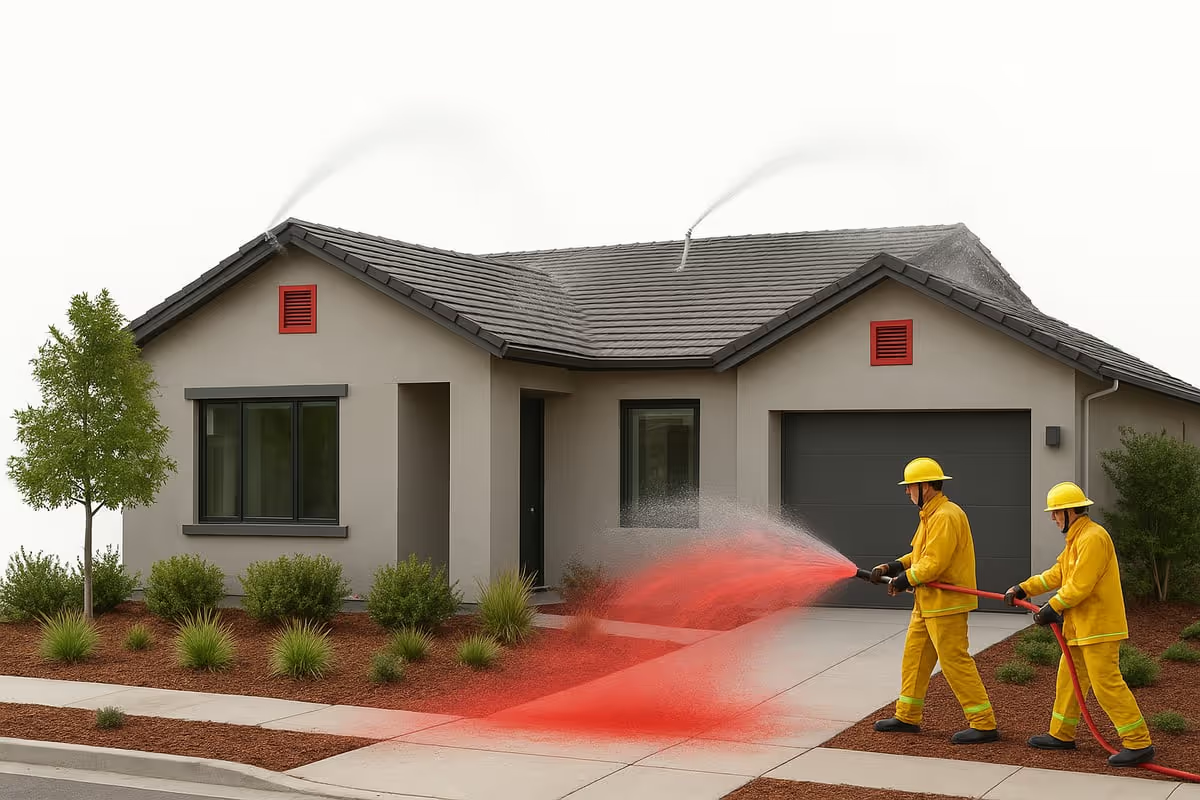
Professional solutions raise your protection to a new level. The homeowner defense system wildfire cost reflects the comprehensive coverage these systems provide. Automated sprinklers, fire-retardant applications, and ember-resistant upgrades work together, shielding your home when you cannot be there.
Unlike manual methods, these systems activate instantly at the first sign of danger. You gain faster deployment, greater reliability, and the peace of mind that comes with knowing your property is guarded even during evacuation. For high-risk Los Angeles neighborhoods, the benefits far outweigh the initial investment.
Additionally, professional-grade materials and installation ensure durability, reducing the need for frequent repairs. Your property becomes a safer haven, not just for your family, but for your community as well.
Types of Professional Services Available
A wide range of professional options exist to match different needs and budgets. When weighing homeowner defense system wildfire cost, consider:
- Custom system design and installation tailored to your property’s unique risks
- Professional-grade fire retardant application for full-season coverage
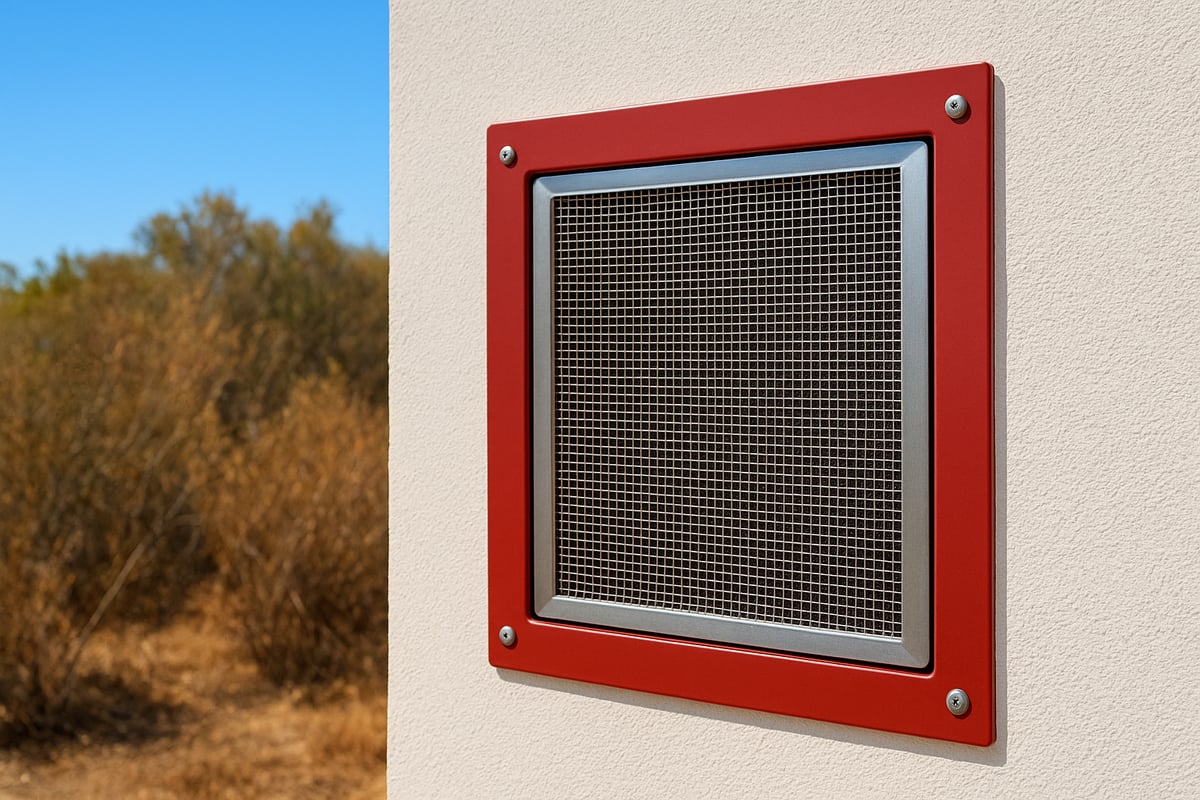
- Ember-resistant vent and screen upgrades to block ember intrusion
- Automated sprinkler systems for rapid response
- Annual system monitoring and readiness checks
Each service offers distinct advantages. Custom installations address specific vulnerabilities, while annual maintenance ensures systems remain in top condition. Professional applications use non-toxic, environmentally safe products trusted by first responders.
Choosing the right mix of services can maximize your protection and optimize your investment.
Matador Fire: Professional Wildfire Defense Solutions for Los Angeles Homeowners
At Matador Fire, we specialize in advanced solutions that address every aspect of wildfire defense. Our team understands the homeowner defense system wildfire cost and is committed to delivering value, safety, and reliability.
Our services include:
- Installation of ember-resistant vents and screens to keep embers out
- Professional application of non-toxic, long-lasting fire retardant, providing a protective barrier for months
- Design and installation of automated sprinkler and defense systems that activate even if you are away
- Free, no-obligation consultations and risk assessments for LA-area homeowners
We use first responder–trusted products and prioritize environmental safety. Our tailored protection plans ensure your system integrates seamlessly with your existing home design and landscaping. By investing in professional solutions, you not only protect your own property but contribute to the resilience of your entire neighborhood.
Choosing the Right Provider and System
Selecting the right partner for your wildfire defense is a critical step. When evaluating providers and the homeowner defense system wildfire cost, ask these questions:
- Are they certified and experienced with LA-area fire risks?
- Do their products meet or exceed local codes and insurance requirements?
- What warranties and ongoing support do they offer?
- Can they provide references from other local homeowners?
- How do they ensure system durability and environmental safety?
Local expertise matters. Understanding Wildfire Behavior and Risk Factors will help you assess your vulnerabilities and prioritize solutions that offer the best protection.
Ready to take the next step? Contact Matador Fire today for a free, no-obligation consultation. Our experts will help you build a comprehensive plan that fits your budget and gives you confidence for the wildfire seasons ahead.