House Fire Recovery After Wildfire: The Essential Guide 2026
Smoke still lingers in the air, walls blackened by soot, and uncertainty hangs heavy as you stand before what was once your home. In moments like these, house fire recovery after wildfire can feel overwhelming, but decisive action is crucial for safety, insurance, and rebuilding.
As wildfire defense experts at Matador Fire, we guide Los Angeles homeowners through every step. Begin by securing your site, contacting insurance, documenting damage, and planning cleanup. Our specialized services, including wildfire risk assessments and fire defense upgrades, help protect your future.
Reach out today for a free consultation and take the first step toward recovery.
Understanding House Fire Recovery After Wildfire
Recovering from a house fire in Los Angeles is a journey that demands both urgency and resilience. As wildfire defense experts at Matador Fire, we guide homeowners through each step of house fire recovery after wildfire, ensuring families regain safety and stability as quickly as possible.
What House Fire Recovery Involves
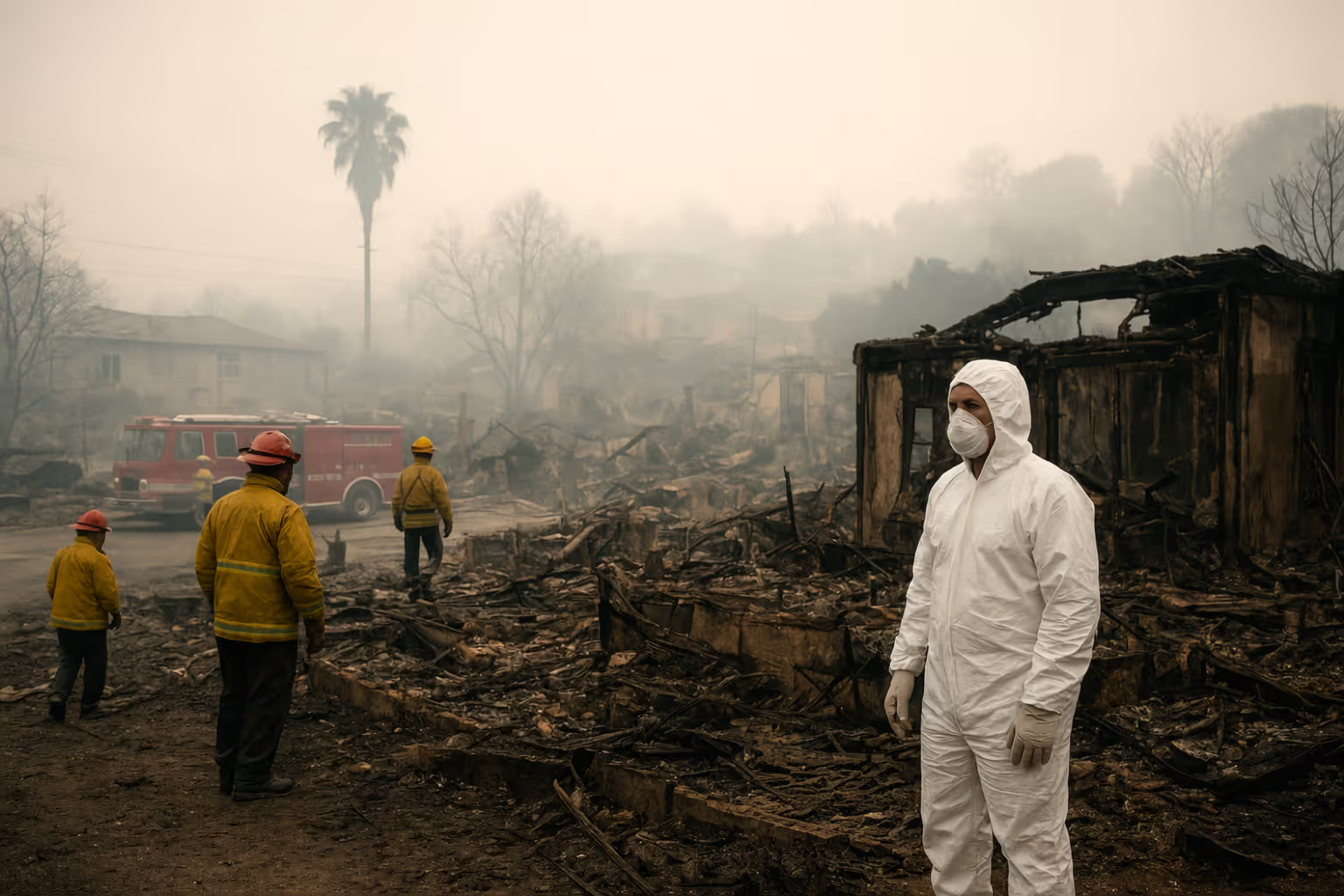
House fire recovery after wildfire is the process of assessing damage, stabilizing the property, and restoring your home after wildfire impact. The process unfolds in several distinct phases:
- Immediate response and safety checks
- Detailed damage assessment
- Navigating insurance claims and documentation
- Coordinating cleanup and debris removal
- Planning and undertaking repairs or rebuilding
The emotional and financial stakes are significant for families. In 2023, Los Angeles wildfires damaged or destroyed over 1,200 homes, leaving thousands facing uncertainty. Acting swiftly in house fire recovery after wildfire is crucial to minimize loss and protect your health.
Why Rapid Action Matters
Timely action during house fire recovery after wildfire is essential for several reasons. Safety hazards such as unstable structures, smoldering debris, and toxic residues can pose immediate threats. Insurance companies often require prompt reporting, and delays may impact your claim.
Secondary damage is a real risk. Mold growth, water intrusion, theft, and vandalism frequently follow if a property remains unsecured. According to FEMA, delaying the response can increase overall recovery costs by up to 30 percent. Taking decisive steps early in house fire recovery after wildfire protects both your family and your investment.
The Unique Wildfire Challenge in Los Angeles
Los Angeles faces some of the highest wildfire risks in the nation. The urban-wildland interface means homes are close to flammable vegetation and steep hillsides, increasing vulnerability. For example, the Woolsey Fire in 2018 destroyed over 1,600 structures in Los Angeles and Ventura counties.
Local recovery is also shaped by unique resources and regulations. Understanding wildfire behavior is key to navigating house fire recovery after wildfire, especially in our region’s challenging climate and terrain. For a deeper look at wildfire dynamics and their impact on recovery, see Understanding wildfire behavior.
Immediate Priorities After the Fire
In the first hours and days after a wildfire, focus on these priorities:
- Check your family’s safety and address any medical needs
- Communicate with authorities and neighbors for updates and support
- Secure temporary shelter if your home is unsafe
- Gather essential documents, valuables, and personal items
By following these immediate steps in house fire recovery after wildfire, you lay the groundwork for a safe, organized, and effective recovery process. Our team at Matador Fire is ready to help you move forward with confidence.
Step 1: Ensure Safety Before Entering Your Property
When you return to your home after a wildfire, the landscape is often unrecognizable. Ash may cover the ground, the air hangs heavy with smoke, and your sense of security feels shaken. As wildfire defense experts at Matador Fire, we know that the first step in house fire recovery after wildfire is protecting your health and safety. Every action you take now will set the tone for the rest of your recovery journey.

Assessing Structural and Environmental Hazards
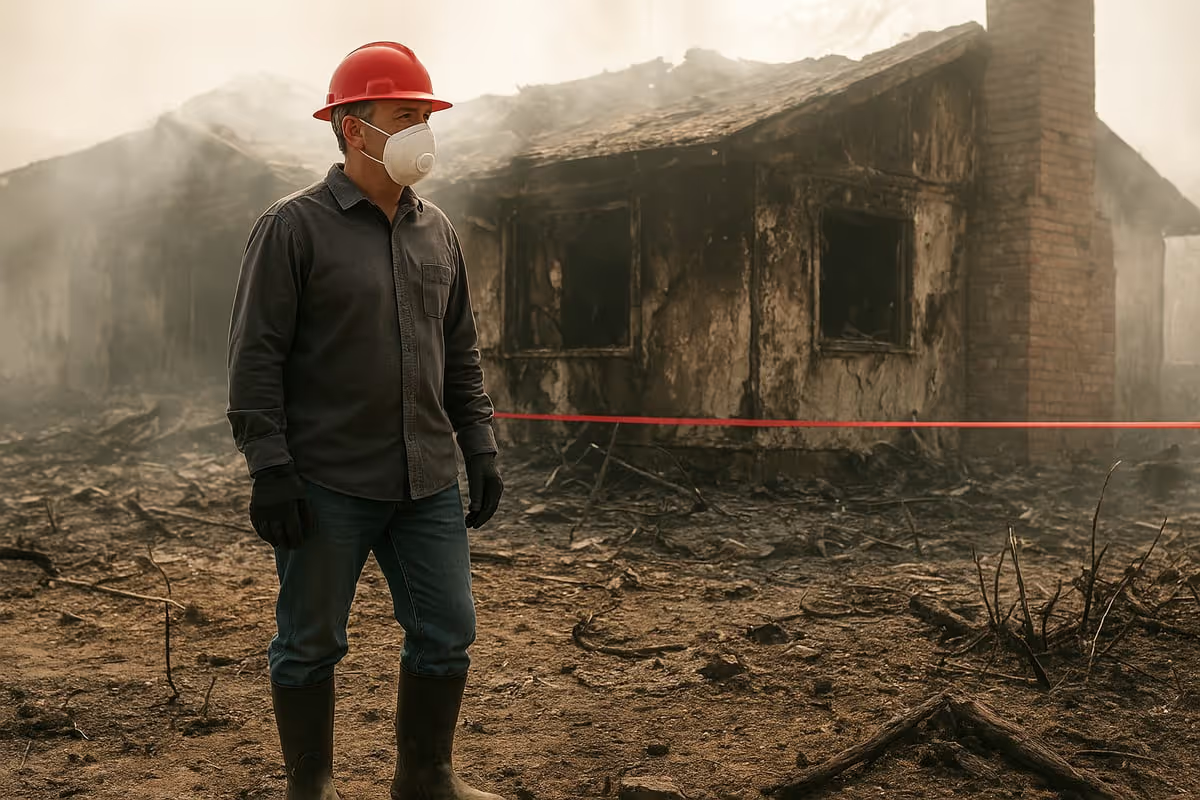
Before entering your property, always prioritize personal safety. Wildfires can leave behind hidden dangers, including collapsed roofs, unstable floors, and exposed electrical wiring. Gas leaks are another serious risk, and hot spots may remain smoldering for days.
Only access your home after fire authorities give official clearance. Wear personal protective equipment such as boots, gloves, and an N95 mask. If you are unsure about safety measures or next steps, refer to Emergency wildfire readiness tips for immediate guidance. This approach ensures that your house fire recovery after wildfire begins with a focus on safety and reduces the risk of injury or further property damage.
Checking Air Quality and Health Risks
Air quality after a wildfire can remain hazardous even when visible flames are gone. Smoke particles, asbestos, and toxic residues may linger in the environment and inside the home. These substances pose significant health risks, especially for children, seniors, and those with respiratory conditions.
Use an N95 mask or respirator before entering the property. Keep windows open only if air quality allows, and avoid disturbing ash or debris unnecessarily. During house fire recovery after wildfire, monitoring air quality is critical for keeping your family safe and preventing long-term health complications.
Securing the Site
Once you confirm it is safe to approach, take steps to secure your property. Prevent unauthorized entry by boarding up broken windows and doors. Mark unsafe areas with caution tape or clear signage to warn others of potential hazards.
If possible, remove valuables and sensitive documents. Installing temporary fencing can help deter looting or vandalism as you progress with house fire recovery after wildfire. These actions protect your property and give you peace of mind during a stressful time.
Protecting Pets and Wildlife
Pets are especially vulnerable after a wildfire. Hazards like broken glass, contaminated water, and sharp debris are common. Check your pets for injuries and keep them away from dangerous areas.
If pets are missing or injured, contact local animal rescue organizations or shelters immediately. Avoid approaching displaced wildlife, as they may be stressed or injured. Addressing animal safety is a vital part of responsible house fire recovery after wildfire, ensuring the wellbeing of every family member.
Emotional First Aid and Support Resources
The emotional toll of a wildfire can be as severe as the physical loss. Feelings of shock, grief, and anxiety are natural during house fire recovery after wildfire. It is essential to care for your mental health alongside your physical recovery.
Reach out to crisis counseling hotlines, local support groups, or Los Angeles County’s emergency mental health services. Connecting with others who understand your experience can help you process trauma and move forward with resilience.
As wildfire defense specialists, Matador Fire is committed to supporting you at every stage. We offer free wildfire risk assessments, expert advice, and proven defense solutions to help you rebuild stronger. Contact us today for a free consultation and take the next step toward a safer, more secure future.
Step 2: Contact Your Insurance Company and Begin Documentation
After a wildfire, the house fire recovery after wildfire process depends on swift, organized action—especially when it comes to insurance. As wildfire defense experts serving Los Angeles, we at Matador Fire know just how critical this step is for your family’s future security.
Initiating the Claims Process
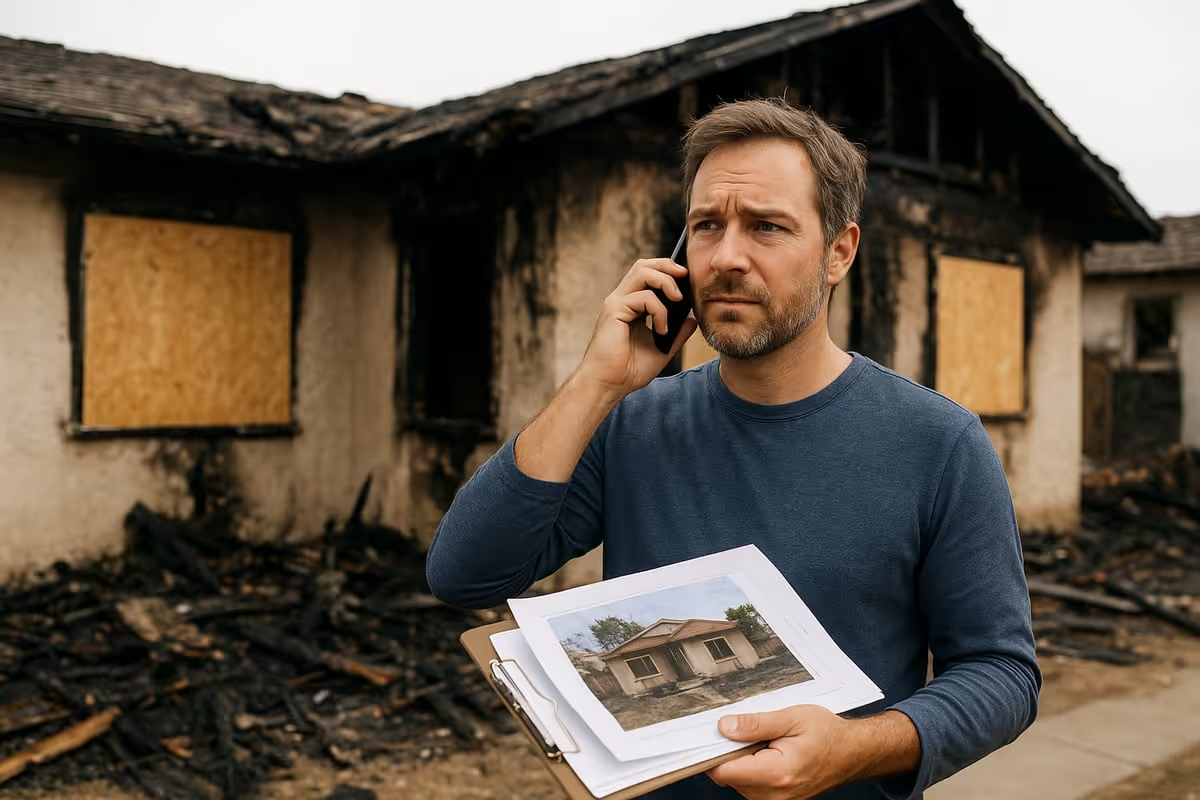
The first step in house fire recovery after wildfire is to notify your insurance company as soon as it is safe to do so. Most policies require prompt reporting, and delays can jeopardize your claim. Have your policy number ready and provide a clear summary of the incident.
Request that a claims adjuster visit your property as soon as possible. Keep a record of all communications with your insurer, noting dates, times, and the names of representatives you speak with. Acting quickly keeps your recovery timeline on track and helps secure needed resources for your house fire recovery after wildfire journey.
Documenting Damage Thoroughly
Accurate documentation is vital for house fire recovery after wildfire. Before you move or clean anything, take comprehensive photos and videos of every affected area. Capture close-ups of damaged belongings, structural elements, and even areas that appear untouched, as smoke and soot can cause hidden problems.
Create a detailed inventory of lost and damaged items, including descriptions, purchase dates, and estimated values. Keep all receipts for emergency expenses such as temporary lodging, clothing, and food. This evidence will support your claim and help maximize your insurance payout during house fire recovery after wildfire.
Understanding Your Policy Coverage
Understanding your policy is a cornerstone of house fire recovery after wildfire. Most homeowner policies cover your dwelling, personal property, and additional living expenses if you are displaced. However, be aware of exclusions—items like landscaping, fences, or outbuildings may not be covered.
Review your policy documents and ask your insurance representative to clarify any confusing terms. Advocate for full replacement value rather than cash value, as this ensures your home and possessions can be restored to their previous condition. If you find gaps in your coverage, document them for future reference and discuss options for upgrades once your house fire recovery after wildfire is underway.
Working With Adjusters and Contractors
During house fire recovery after wildfire, be present for all inspections conducted by claims adjusters or contractors. Your firsthand knowledge can clarify questions and prevent misunderstandings. Always request written estimates and establish clear timelines for repairs.
Hire only licensed and insured professionals to handle restoration. Verify credentials through the California Contractors State License Board to avoid scams. Remember, reputable contractors will never pressure you for upfront payments or rush decisions during house fire recovery after wildfire.
Navigating Common Insurance Challenges
It is not uncommon to encounter delays or disputes during house fire recovery after wildfire, especially when many claims are filed after a major Los Angeles wildfire. Stay persistent and organized, following up regularly with your insurer. If you face disagreements about the cause or extent of damage, request written explanations and keep detailed records.
For additional guidance or to file complaints, review the California Department of Insurance wildfire claims process, which outlines your rights and available consumer protections. By staying proactive and informed, you can overcome obstacles and move your house fire recovery after wildfire forward with confidence.
Step 3: Secure and Stabilize Your Property
Navigating house fire recovery after wildfire requires swift, decisive action to protect your home and family. As wildfire defense experts, we at Matador Fire understand the urgency in Los Angeles. Once authorities say it is safe, your focus should shift to securing the site, preventing additional loss, and laying the groundwork for restoration. Here is how to approach this critical stage.
Preventing Further Damage
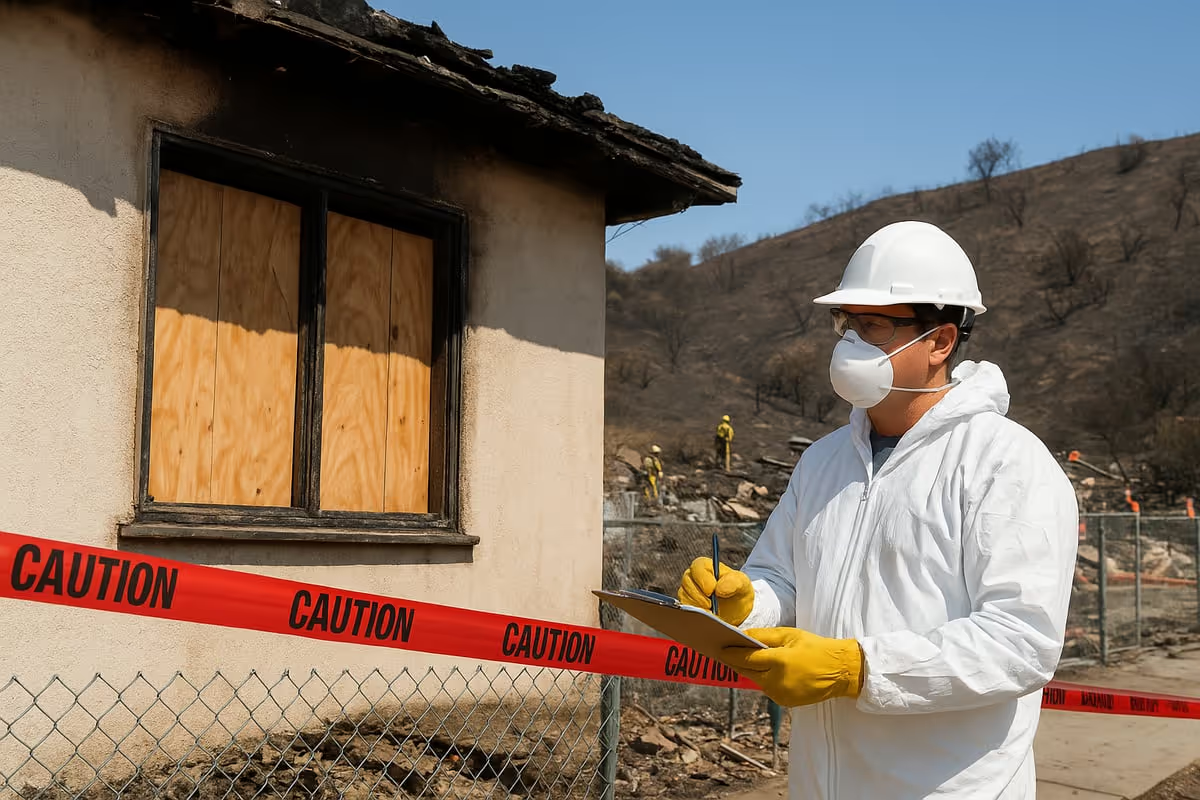
The first priority in house fire recovery after wildfire is to stop further harm to your property. Secure all entry points by boarding up windows and doors. Lay tarps over exposed roofs to prevent water intrusion from sudden rain. Shut off gas, water, and electricity at the main controls to reduce the risk of secondary incidents.
Remove valuables and essential documents to a safe location. If your home is accessible, install temporary fencing to deter trespassers. These immediate actions help stabilize your property and make the recovery process safer and more manageable.
Debris Removal and Hazardous Material Handling
Debris removal is a crucial step in house fire recovery after wildfire, especially in Los Angeles where hazardous materials may be present. Separate ash, batteries, chemicals, and electronic waste for specialized disposal. Only certified cleanup crews should handle toxic substances, as improper removal can expose your family to health risks.
The county often provides programs for safe debris removal. For a current progress update on these efforts, see Los Angeles wildfire debris removal progress. Proper handling of debris ensures your site is ready for the next phase of recovery.
Water, Mold, and Smoke Damage Mitigation
Water used to extinguish the fire can lead to mold growth within 48 hours, complicating house fire recovery after wildfire. Begin by airing out your property if conditions are safe. Use industrial fans and dehumidifiers to reduce moisture as quickly as possible.
Professional cleaning is needed for smoke and soot residues, which can linger in walls, ceilings, and ventilation systems. Specialized restoration teams can help remove hazardous particles, helping to restore healthy indoor air quality and prevent long-term structural damage.
Protecting Against Theft and Vandalism
Unfortunately, post-fire neighborhoods often experience increased theft and vandalism. As part of house fire recovery after wildfire, notify local law enforcement of your absence. Consider installing motion sensor lights and temporary cameras to deter unwanted visitors.
Remove any remaining valuables from the property. Mark unsafe areas with caution tape or signage to keep people out. These steps not only protect your belongings but also help maintain a secure environment for future cleanup and rebuilding.
Coordinating With Local Authorities and Resources
Successful house fire recovery after wildfire depends on close coordination with local agencies. Before starting any demolition or reconstruction, obtain necessary permits from the city or county. Visit local disaster recovery centers for access to emergency aid and support services.
Organizations like FEMA and the Red Cross offer temporary housing, grants, and guidance throughout the recovery process. Reach out to these resources early to streamline your recovery and ensure compliance with all regulations.