Is Phos-Chek Toxic to the Environment?
Wildfires are an ever-growing concern in Los Angeles, with agencies using more fire retardants than ever before to protect homes and landscapes. This has many homeowners asking, is phos-chek toxic to environment, and what can you do to stay safe?
As wildfire defense experts at Matador Fire, we want to help you understand what Phos-Chek is, how it works, and why its environmental impact is under scrutiny. In this guide, we will break down the facts, review safety concerns, and share practical steps you can take right now—like clearing gutters, maintaining a five-foot buffer around your home, and trimming back vegetation.
Want the best protection? We also offer eco-safe retardant applications, ember-resistant vent upgrades, and automated defense systems designed for Los Angeles homes. Reach out for a free, no-obligation consultation and let us help you safeguard your property while caring for the environment.
What Is Phos-Chek? Composition, Uses, and Why It’s Controversial
Phos-Chek is a name many Los Angeles homeowners have come to recognize as wildfire threats increase. As wildfire defense experts at Matador Fire, we are often asked, is phos-chek toxic to environment, and what does its use mean for personal and community safety? Understanding its composition, application, and the controversy around its environmental impact is key to making informed decisions for your home.
Understanding Phos-Chek’s Chemical Makeup
Phos-Chek is primarily composed of ammonium phosphate, a chemical that helps slow fire spread by creating a protective barrier on vegetation. Additional ingredients include clay, which helps the retardant adhere to surfaces, thickeners to aid application, and colorants for visibility during aerial drops.
There are several formulations: liquid, powder, and gel. Liquid Phos-Chek is most common for aerial firefighting, while powder and gel options are used in ground applications and residential settings. Over the years, manufacturers have adjusted Phos-Chek’s formula to improve fire-slowing performance and address safety concerns.
The question, is phos-chek toxic to environment, often arises from the presence of phosphates and other additives. While these ingredients are effective for fire control, their impact beyond fire lines is debated among scientists and environmentalists.
How and Where Phos-Chek Is Used
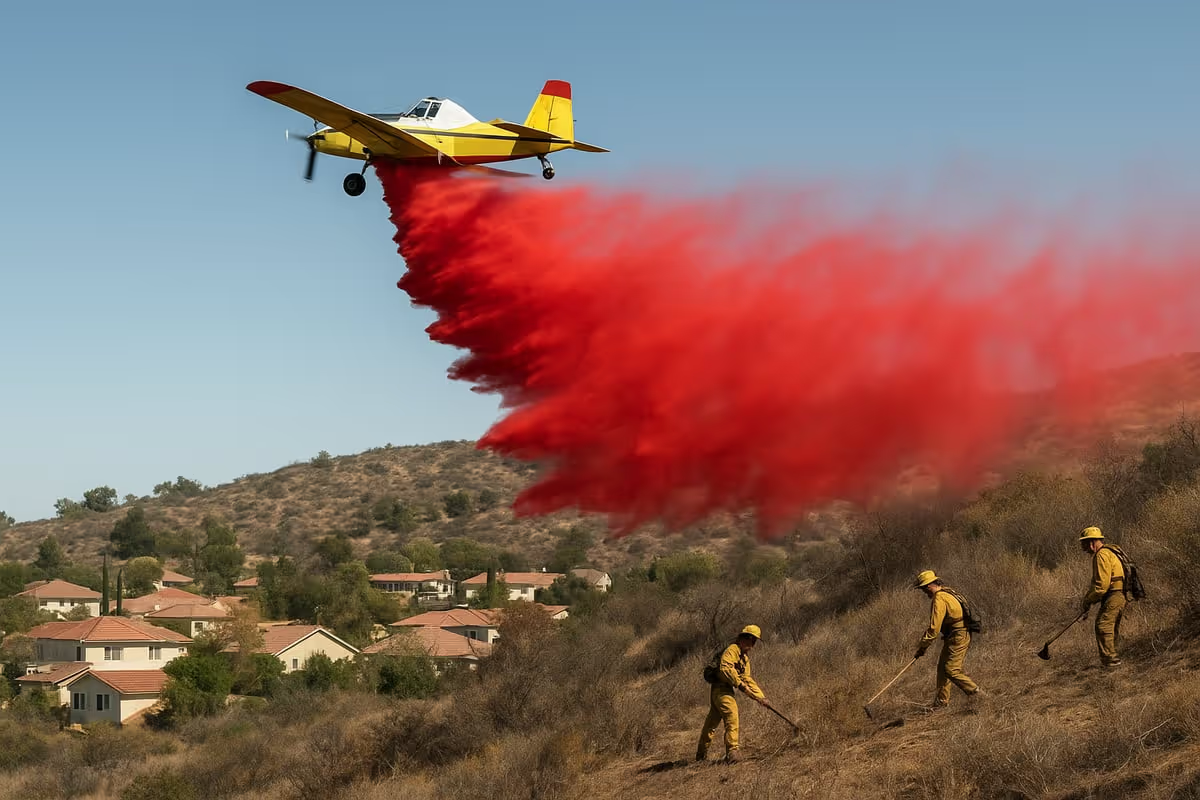
Phos-Chek is widely deployed by agencies such as Cal Fire and the US Forest Service to protect lives, property, and wildlands. It is delivered by both fixed-wing aircraft and helicopters, creating visible lines intended to stop or slow advancing flames. On the ground, crews use hoses or specialized trucks to apply Phos-Chek around structures and critical infrastructure.
Annually, California alone uses more than 50 million gallons of fire retardant, much of which is Phos-Chek. Homeowners may also see Phos-Chek applied directly to property perimeters as a preventive measure before red flag conditions. This widespread use is a direct response to the growing frequency and intensity of wildfires across the region.
The scale and frequency of use naturally lead to the question, is phos-chek toxic to environment, and what happens when it enters the ecosystem.
Why Environmental Concerns Exist
Concerns about Phos-Chek’s environmental impact focus on its potential to enter waterways, soil, and sensitive habitats. Research and regulatory scrutiny have increased as incidents of water contamination and harm to wildlife have been documented. Lawsuits and public debates continue over whether the benefits of fire protection outweigh possible ecological side effects.
For example, studies and news reports have highlighted risks to fish, amphibians, and invertebrates when Phos-Chek enters streams or rivers. For a deeper look at these issues, see this Environmental impact of Phos-Chek article. The ongoing debate keeps the question, is phos-chek toxic to environment, at the forefront for many homeowners.
To help reduce reliance on chemical retardants, consider these actionable fire-safety steps:
- Clear gutters and roofs of leaves and debris.
- Maintain a five-foot non-combustible Zone 0 around your home.
- Trim back overhanging vegetation and branches.
- Remove dead plants and wood piles.
While these actions go a long way, professional solutions are often necessary for maximum protection. At Matador Fire, we use only certified, eco-safe retardants, offer ember-resistant vent upgrades, and provide automated wildfire defense systems. For expert advice and a free, no-obligation consultation, contact Matador Fire and take proactive steps to safeguard your home and the environment.

Environmental Impact of Phos-Chek: What the Science Says
As wildfire defense experts in Los Angeles, we know homeowners are asking: is Phos-Chek toxic to environment, and what does science really say about it? Understanding the environmental impact of Phos-Chek is crucial for anyone living in wildfire-prone areas. Let's break down the evidence, address common concerns, and offer actionable steps for safer, eco-friendly fire protection.
Effects on Soil and Water
A major concern behind the question is phos-chek toxic to environment centers on its impact when it enters soil and waterways. Phos-Chek’s main ingredient, ammonium phosphate, acts as a fertilizer, which can cause excessive nutrient loading. When rain washes Phos-Chek into streams or rivers, it may trigger algal blooms that threaten water quality and aquatic life.
Recent research from the USGS and EPA highlights that runoff from fire retardant drops can increase phosphorus and nitrogen levels in local water bodies. This creates conditions where fish, amphibians, and invertebrates are at risk. Fish kills have been documented near major spill sites, especially where water flow is low. Regulatory agencies have responded by setting buffer zones around waterways during aerial applications.
For more insight into how wildfires and suppression efforts affect the landscape, see Understanding wildfire behavior patterns.
Impact on Plants and Wildlife
Is Phos-Chek toxic to environment when it comes to plants and wildlife? Studies show that while small, controlled doses may have limited impact, repeated or high-volume Phos-Chek exposure can disrupt native vegetation. The chemical composition alters soil pH and nutrient balance, stressing sensitive plants and sometimes favoring invasive species.
Wildlife can also suffer. Amphibians are particularly vulnerable, as even diluted runoff can damage eggs and larvae. Birds and mammals may be indirectly affected if their food sources are diminished or habitats are altered. In California, several incidents have shown that protected habitats near drop zones face increased ecological stress after large-scale retardant use.
Human and Pet Safety Considerations
Homeowners also wonder, is Phos-Chek toxic to environment in ways that threaten people and pets? Direct contact with freshly dropped Phos-Chek can cause mild skin or eye irritation, particularly for children and animals. While the formulations are not classified as highly toxic, it is important to avoid inhaling dust or mist from recent applications.
Health advisories from Cal Fire and public health agencies recommend rinsing off any residue from skin, clothing, or pet fur as soon as possible. If Phos-Chek gets on fruits or vegetables in your garden, wash them thoroughly before consumption. Keeping pets and children indoors during active fire retardant drops is a simple, effective precaution.
Regulatory Perspectives and Ongoing Research
So, is Phos-Chek toxic to environment according to regulators? The EPA and California state agencies currently permit its use, but with strict guidelines to minimize environmental harm. Ongoing lawsuits and regulatory reviews reflect the debate between wildfire safety and ecological preservation.
There are still research gaps, especially regarding long-term soil health and cumulative ecosystem effects. Agencies like the Flame Retardant Advisory Committee are actively evaluating fire retardant chemicals and updating best practices. This evolving landscape means that as new, safer products emerge, regulations will likely adapt to prioritize both fire protection and environmental health.
As wildfire risks grow, it is essential for homeowners to stay informed, use best practices like defensible space, and consider professional solutions that balance safety with environmental stewardship. For comprehensive, eco-safe wildfire defense, reach out to Matador Fire for a free, no-obligation consultation today.
Fire Safety at Home: Practical Steps for Los Angeles Homeowners
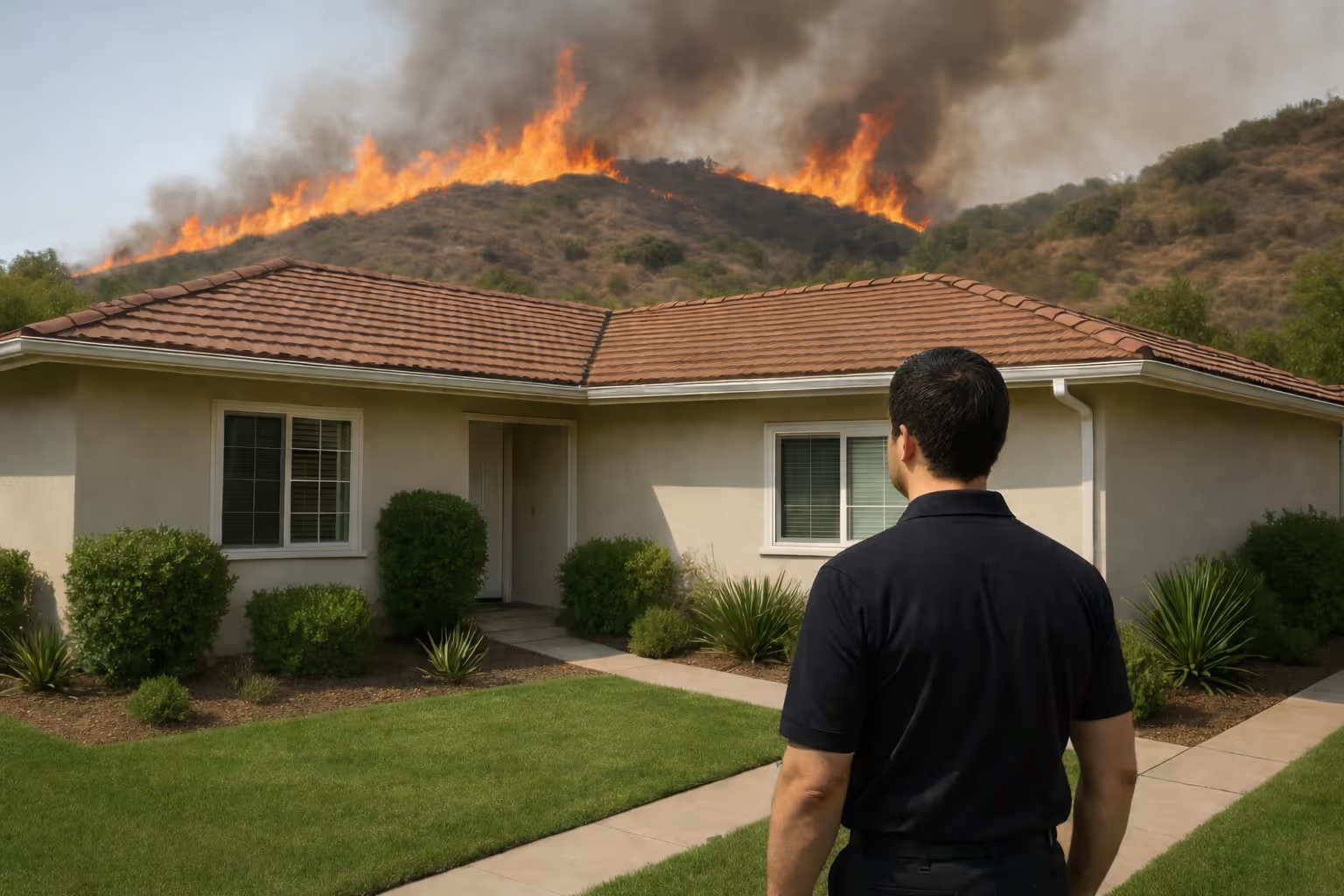
Wildfire season in Los Angeles grows more intense each year, and questions like is phos-chek toxic to environment are top of mind for many homeowners. Phos-Chek is a widely used fire retardant that helps slow the spread of wildfires, but concerns about its environmental impact are real. Understanding both the benefits and potential drawbacks allows you to make informed choices for your family and property.
What is Phos-Chek and Why Does It Matter?
Phos-Chek works by creating a barrier that slows or stops flames, giving firefighters more time to protect homes. Yet, the question is phos-chek toxic to environment comes up because its chemical ingredients can affect soil, water, plants, and wildlife if not used responsibly. Homeowners frequently ask whether relying on chemical fire retardants is the best way to keep their property safe.
Actionable Fire Safety Steps for Your Home
You do not need to rely solely on chemical solutions to reduce wildfire risk. There are several steps you can take right now to protect your home and address concerns about is phos-chek toxic to environment:
- Clear gutters and roofs of leaves, pine needles, and debris to prevent embers from igniting your home.
- Maintain "Zone 0," the five feet closest to your house, free of anything flammable. For a full guide on this, see Creating defensible space at home.
- Trim back trees and bushes so that no branches hang over your roof or touch your siding.
- Remove dead plants, wood piles, and outdoor clutter that could serve as fuel.
- Upgrade landscaping with fire-resistant plants and hard surfaces where possible.
Each of these steps reduces your reliance on chemical fire retardants and addresses the core concern: is phos-chek toxic to environment. Regular maintenance, especially before fire season, is essential for effective defense.
The Matador Fire Advantage: Eco-Safe Professional Solutions
While DIY measures are vital, extreme fire conditions can overwhelm even the best-prepared homes. For maximum protection, Matador Fire offers next-level solutions that eliminate the need to worry about is phos-chek toxic to environment. Our team uses only certified, eco-friendly fire retardants, ember-resistant vent upgrades, and automated defense systems to shield your home without harming the environment. We deliver professional-grade application that ensures even coverage and minimal runoff.
Take the Next Step: Free Consultation
If you have questions about is phos-chek toxic to environment or want the best defense for your property, our wildfire experts are ready to help. Contact Matador Fire today for a free, no-obligation home assessment and customized protection plan. We are committed to keeping Los Angeles homes safe—responsibly and sustainably.
Eco-Friendly Alternatives and Advances in Fire Retardant Technology
With wildfire risk spiking in Los Angeles, many homeowners are asking, is phos-chek toxic to environment? This is a valid concern, especially as more people seek eco-friendly ways to protect their homes. Fortunately, recent advances in fire retardant technology offer safer, more sustainable options than ever before.
Let Me Explain: Phos-Chek Debate | NBCLA
New Generation Fire Retardants: What’s Changed?
The question, is phos-chek toxic to environment, drives much of the innovation in fire protection today. Traditional fire retardants like Phos-Chek contain ammonium phosphate compounds, which can disrupt local ecosystems. In response, manufacturers and agencies have developed new-generation fire retardants that are non-toxic and biodegradable.
These modern products are formulated to break down safely after application, reducing harm to plants, animals, and waterways. Some even use food-grade ingredients or plant-based polymers, making them safer for both the environment and your family.
Traditional fire retardants, such as Phos-Chek, are typically made with ammonium phosphate–based compounds. While effective for fire suppression, these formulations can pose environmental risks, particularly to waterways, and are generally considered to have moderate toxicity.
New-generation fire retardants, by contrast, are formulated using biodegradable polymers designed to reduce environmental impact. These products produce minimal runoff, are non-toxic, and are better suited for use around homes and communities where long-term environmental safety is a concern.
Ongoing testing by Cal Fire and the USDA ensures these newer products meet strict safety and performance standards. Homeowners now have more choices that align with environmental values while still offering robust fire defense.
Evaluating Product Claims: What to Look For
When choosing a fire retardant, it is critical to know if it passes the test for safety and effectiveness. Many products claim to be green, but how can you tell? The answer often starts with the same question: is phos-chek toxic to environment, and how does an alternative compare?
Here is a checklist for evaluating fire retardant products:
- Read the Safety Data Sheet (SDS): Look for detailed ingredient lists and toxicity ratings.
- Check for Third-Party Certifications: Approvals from Cal Fire, USDA, or similar agencies indicate rigorous testing.
- Understand "Eco-Friendly" Labels: Ensure claims are backed by independent reviews, not just marketing.
- Ask About Residue and Runoff: Choose products that leave minimal residue and are safe for local habitats.
By carefully reviewing these factors, you can make informed decisions that safeguard both your home and the environment.
The Role of Ember-Resistant Vents and Home Upgrades
Beyond chemical solutions, structural upgrades offer critical protection. Many homeowners still wonder, is phos-chek toxic to environment, but physical barriers can limit the need for chemical treatments altogether.
Essential upgrades include:
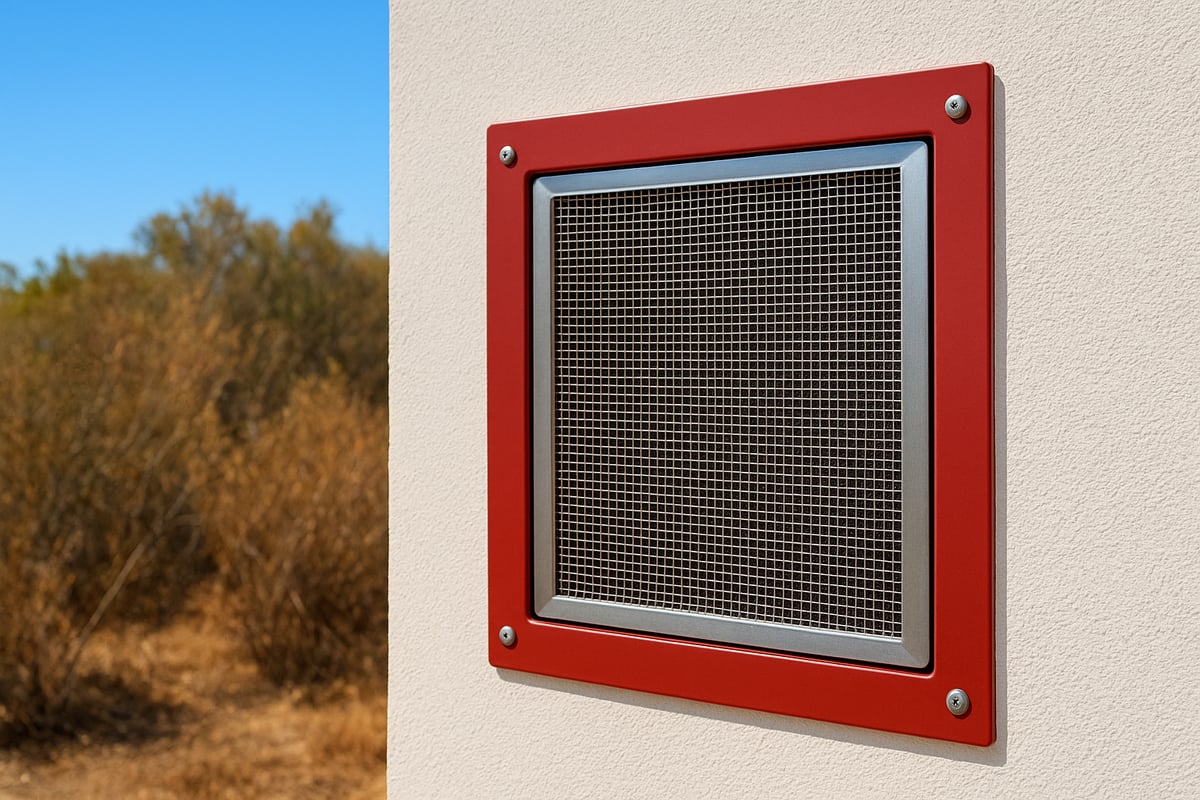
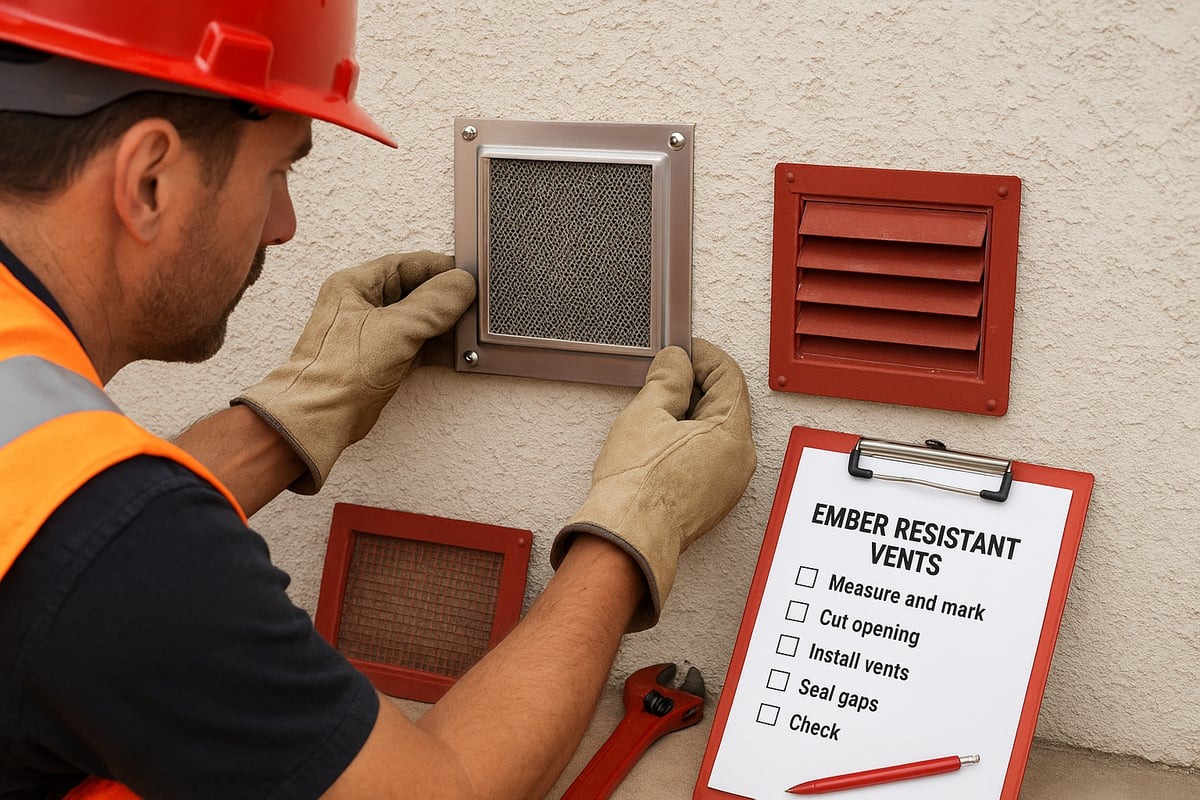
- Installing ember-resistant vents to block flying embers.
- Updating roofing and siding with fire-resistant materials.
- Creating a five-foot “Zone 0” buffer free of combustibles.
- Replacing old decks, fences, and outdoor furniture with non-flammable options.
Homeowners in Los Angeles have seen significant risk reduction by combining these upgrades with modern, clear fire retardants. Professional installation ensures every vulnerability is addressed, providing peace of mind.
Community-Wide Fire Defense: The Bigger Picture
Taking action at the individual level is crucial, but the question remains, is phos-chek toxic to environment for entire neighborhoods? The answer highlights the importance of community-wide strategies.
Coordinated neighborhood plans, shared defensible space efforts, and group upgrades to ember-resistant features have proven effective in reducing wildfire losses. In fact, communities that work together often see improved outcomes during major fire events.
For homeowners seeking the safest, most sustainable solutions, eco-friendly wildfire defense solutions from Matador Fire offer a comprehensive approach. Our certified, non-toxic retardants and expert upgrades deliver unmatched protection without the environmental drawbacks of traditional products.
Ready to take the next step? Contact Matador Fire for a free, no-obligation home assessment. Let us help you defend your home and community—safely, responsibly, and with the environment in mind.