What Actually Caused the 2025 California Fires
The 2025 California fires left a lasting mark on Los Angeles, with entire neighborhoods facing devastation never seen before. News outlets reported thousands of homes lost and air quality reaching hazardous levels for weeks.
For Southern California homeowners, understanding what actually caused the california fires is more important than ever. Drought, extreme winds, vegetation buildup, power line failures, and the limits of outdated aerial retardants all played a role.
Misinformation can put families and properties at risk. By learning the real causes and taking steps like creating defensible space, trimming trees, cleaning gutters, and securing vents, you can help protect your home. Matador Fire is here to guide you—contact us today for a free consultation.
The 2025 California Fires: Scale, Impact, and Urgency
The devastation of the 2025 California fires left a mark that Los Angeles homeowners will never forget. Understanding what actually caused the california fires is crucial for protecting families and property in Southern California. As wildfire defense experts at Matador Fire, we want to help you cut through the noise and focus on facts, not fear.
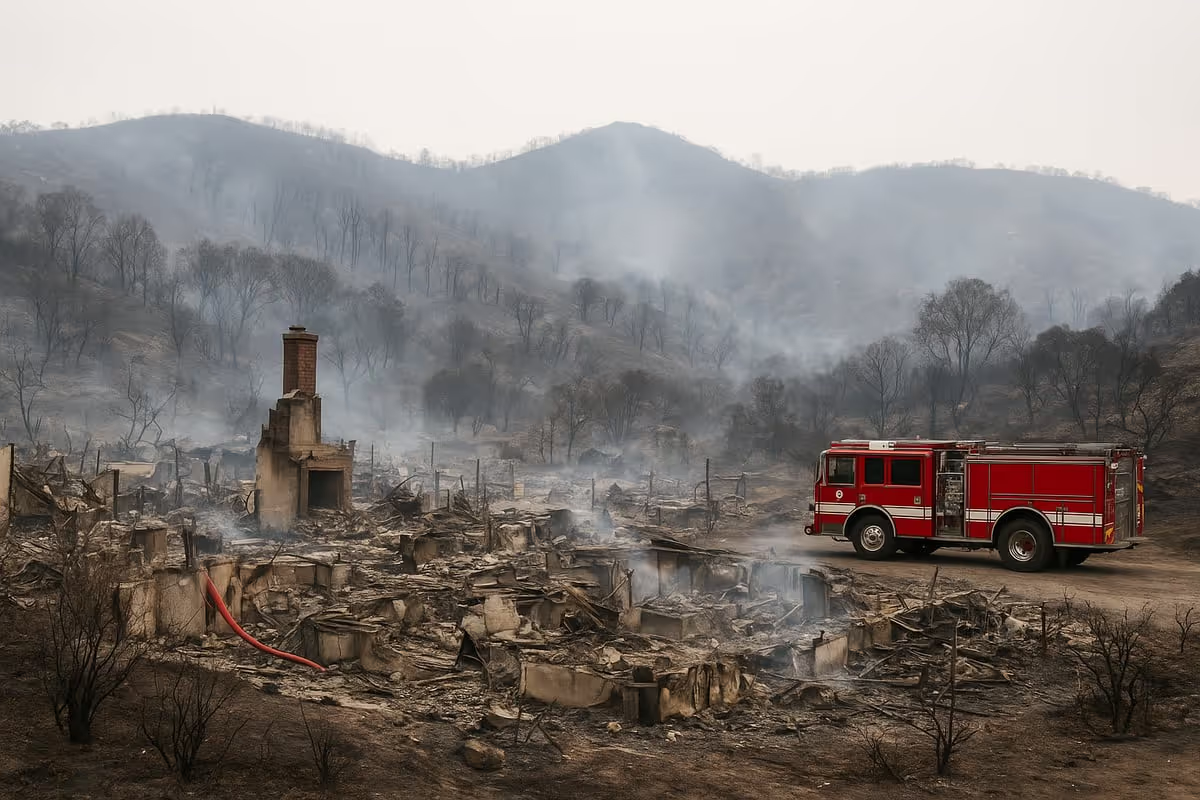
Unprecedented Scope and Damage
The 2025 fire season shattered previous records in both size and intensity. Never before had so many fires ignited across such a wide swath of California, particularly in Los Angeles, Ventura, and surrounding counties. What actually caused the california fires to reach this unprecedented scale was a combination of relentless drought, extreme heat, and powerful winds. These conditions created a perfect storm, allowing flames to sweep rapidly through neighborhoods and wildlands alike.
Key Statistics and Economic Impact
To put the disaster into perspective, over 2.1 million acres burned statewide, with thousands of homes destroyed and countless more threatened. The economic losses for Los Angeles alone topped $50 billion, making this one of the costliest fire seasons in U.S. history. Air quality plummeted, and the region faced hazardous smoke for weeks. For a comprehensive breakdown of numbers, see the 2025 California wildfires overview. These statistics highlight why knowing what actually caused the california fires is not just academic—it is essential for future prevention.
YearAcres BurnedHomes LostEconomic Loss20231,200,0003,500$20B20241,500,0004,200$30B20252,100,0006,800$50B+
Notable Incidents Across Regions
Major blazes like the Griffith Complex Fire and the Ventura Ridge Fire became household names. The fires not only destroyed homes but also forced mass evacuations across Los Angeles and Northern California. What actually caused the california fires to escalate so quickly in these areas was the relentless Santa Ana winds, which drove embers miles ahead of the main flames. Fire crews struggled to keep pace, and some neighborhoods were overtaken in just hours.
Human and Environmental Impact
The human toll was staggering. Tens of thousands were displaced, and many faced long-term health risks from smoke inhalation. What actually caused the california fires to be so harmful was not just the flames, but also the resulting air quality crisis and the stress on emergency resources. Wildlife habitats were decimated, forests lost decades of growth, and key water sources were contaminated by ash and debris.
Urgency and Homeowner Response
For homeowners, the 2025 season fundamentally changed the sense of security. Local governments and residents now recognize that understanding what actually caused the california fires is the first step in creating real solutions. Traditional methods like aerial retardants proved limited, and the need for proactive, ground-based defense became clear. The urgency to act has never been higher.
A New Approach: Take Action Today
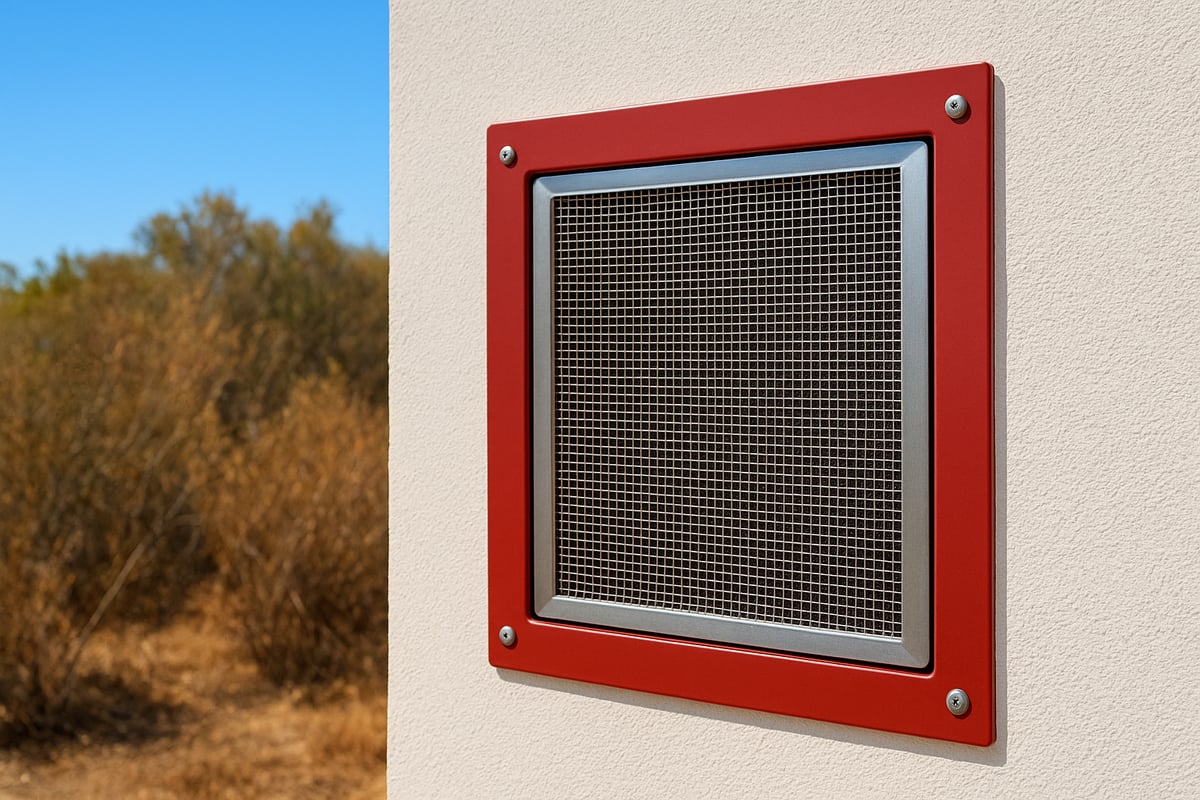
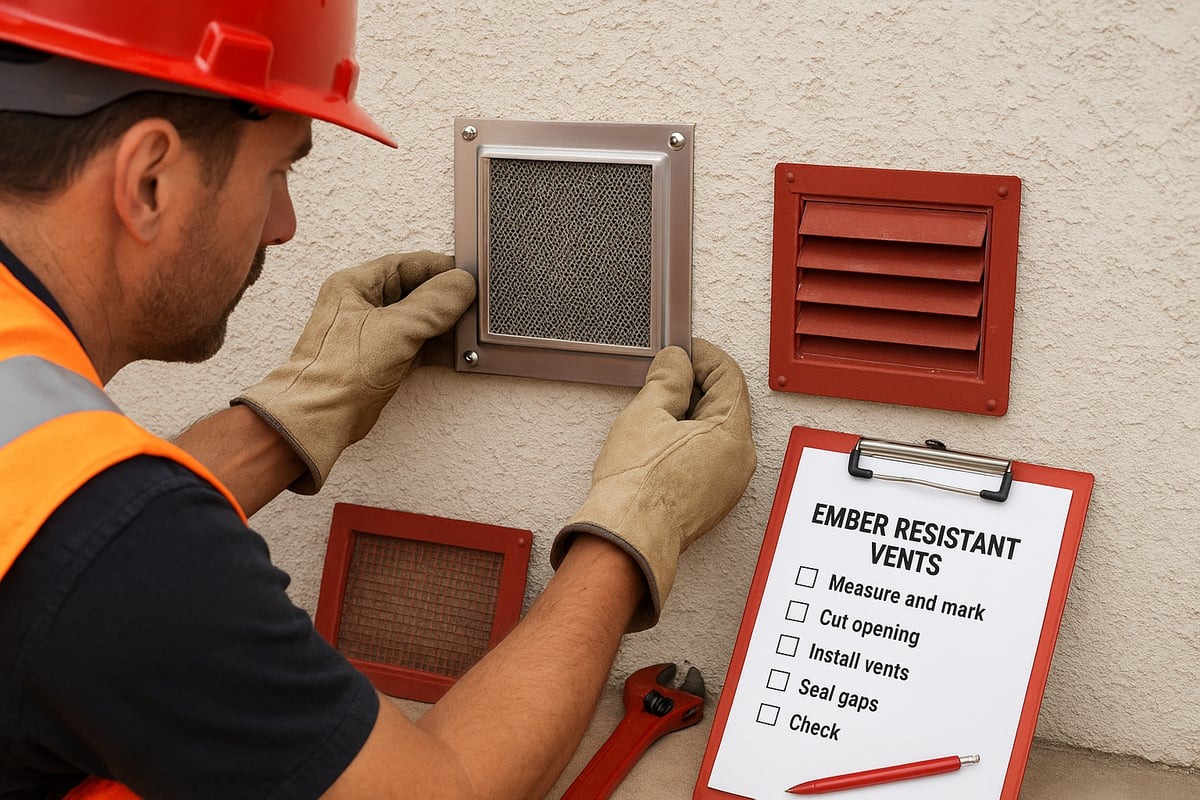
As wildfire threats continue to grow, it is time to rethink how we protect our homes. Start by clearing defensible space around your property, trimming trees, cleaning gutters, and securing attic vents. At Matador Fire, we offer advanced ground-based fire retardant applications, ember-resistant vents, and homeowner-controlled systems designed for reliable, lasting protection. If you want expert advice on the best defense for your property, contact us today for a free, no-obligation consultation. Taking action now is the best way to ensure your family and home are prepared for whatever the next fire season brings.

Why Traditional Firefighting Methods Fall Short
The devastation of recent wildfires has left many homeowners questioning what actually caused the california fires and why traditional firefighting approaches failed to protect so many communities. As wildfire defense experts at Matador Fire, we see firsthand that understanding these limitations is vital for every Southern California resident. Let us break down the critical reasons these methods fall short and what you can do to improve your property’s safety.
The Limits of Aerial Retardants
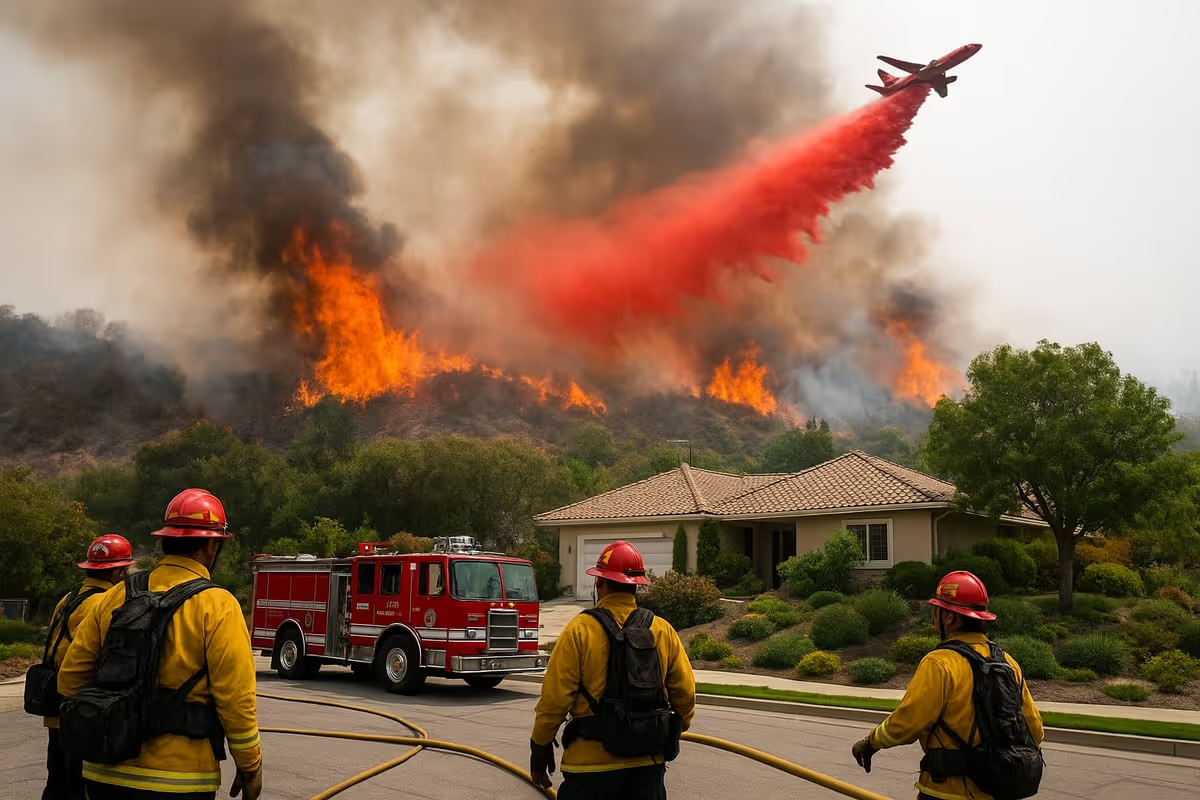
Aerial retardants like Phos Chek are commonly used during wildfire emergencies. These are dropped from planes or helicopters in an attempt to slow the fire’s advance. However, in the context of what actually caused the california fires, these methods often proved insufficient.
The main issue is coverage. Fast-moving fires driven by extreme winds can leap over retardant lines. In 2025, several major blazes in Los Angeles and Ventura counties grew so quickly that aerial drops could not keep up. Studies show that only a fraction of retardant reaches the intended target, especially when wind speeds are high.
Environmental impact is another concern. Retardants can contaminate soil and nearby water sources, affecting both wildlife and long-term ecosystem health. In fact, during the 2025 season, multiple incidents were reported where retardant use failed to halt the fire’s progress and left behind chemical residues.
Let’s summarize the effectiveness of these methods:
MethodEffectivenessLimitationAerial RetardantLow–MediumLimited reach, wind dispersionGround CrewsMediumSlow deployment, access issuesHomeowner ActionHighRequires preparation, knowledge
When evaluating what actually caused the california fires to spread so rapidly, it becomes clear that relying solely on aerial methods is not enough.
Resource Constraints and Response Delays
Understanding what actually caused the california fires also means recognizing the challenges faced by firefighting agencies. In 2025, California experienced a shortage of qualified firefighters and equipment. With dozens of fires breaking out simultaneously, resources were stretched thin.
Response times increased as crews prioritized the most threatened areas. For many neighborhoods on the edge of Los Angeles, this meant waiting precious minutes or even hours for help to arrive. According to recent statistics, average response times during peak fire events increased by over 30 percent compared to previous years.
Geography also played a role. Steep terrain, blocked roads, and downed power lines made it difficult for fire engines and crews to reach certain homes. These logistical barriers allowed fires to advance unchecked, compounding the destruction.
In the aftermath, many homeowners realized that what actually caused the california fires to be so devastating was not just natural forces, but the overwhelming demand on public resources. This highlights the urgent need for homeowners to take proactive steps.
The Importance of Homeowner Action
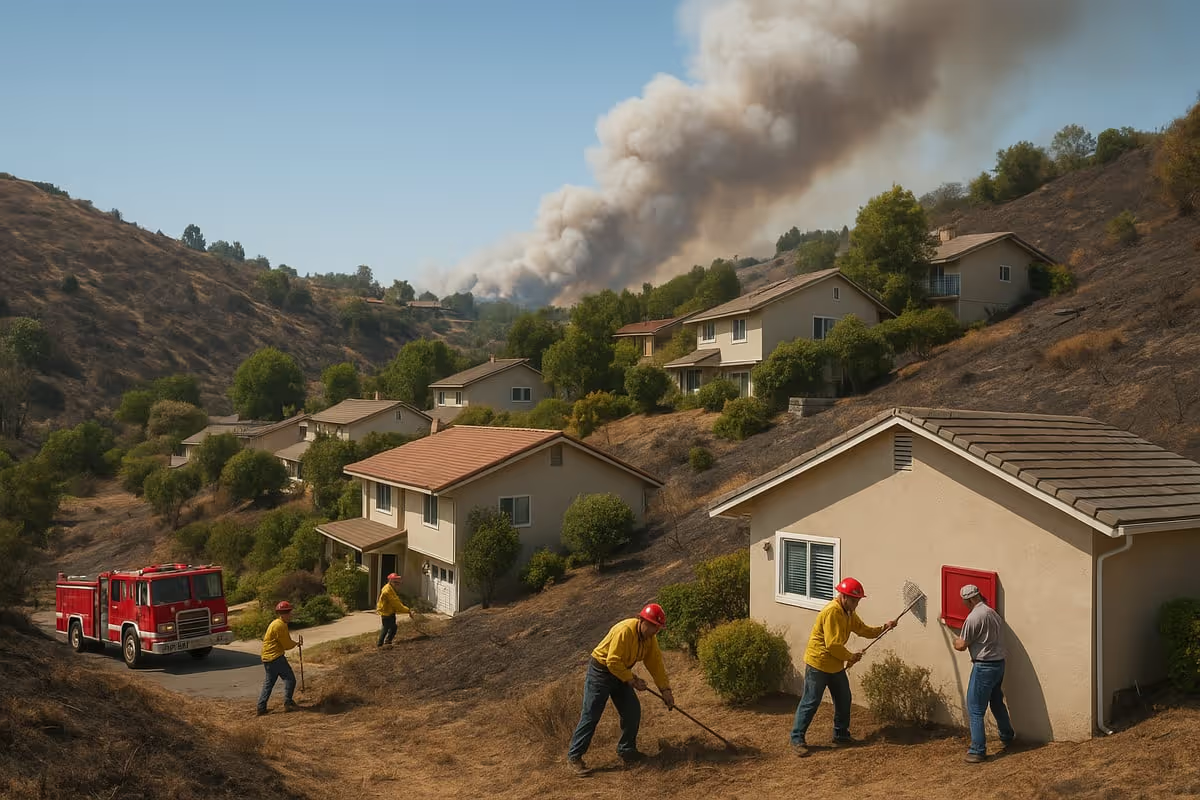
Given these realities, the most effective defense often starts with you, the homeowner. Beyond understanding what actually caused the california fires, it is crucial to implement proven, practical steps that make your property less vulnerable.
Here are five actions you can take today:
At Matador Fire, we go beyond traditional solutions by offering ground-based fire retardant applications, professional installation of ember-resistant vents, and homeowner-controlled defense systems. Our Advanced wildfire defense solutions empower you to take control of your property’s safety with non-toxic, professional-grade protection.
Contact us today for a free, no-obligation home assessment. Together, we can build community resilience and protect what matters most.