What Are The Disadvantages Of Fire Retardant Paint Facts
Many Los Angeles homeowners believe fire retardant paint is a simple solution for wildfire protection, but what are the disadvantages of fire retardant paint that few people discuss? This article uncovers seven surprising drawbacks you need to know before relying on it for your home’s defense.
Fire retardant paint is designed to slow fire spread, and its popularity has soared in recent years. However, it often falls short in real wildfire conditions. Instead of depending solely on paint, take practical steps like clearing debris, maintaining defensible space, and trimming vegetation for stronger safety.
At Matador Fire, we go beyond basic coatings with professional-grade wildfire defense solutions. Our team offers custom retardant application, ember-resistant vent upgrades, and automated defense systems for lasting protection. Ready to safeguard your home? Contact Matador Fire today for a free, no-obligation consultation.
What Is Fire Retardant Paint and Why Do Homeowners Use It?
Many Los Angeles homeowners ask, what are the disadvantages of fire retardant paint when considering options for wildfire defense? As wildfire defense experts at Matador Fire, we believe it is crucial to understand what this paint is, how it works, and why it may not be the solution you expect.
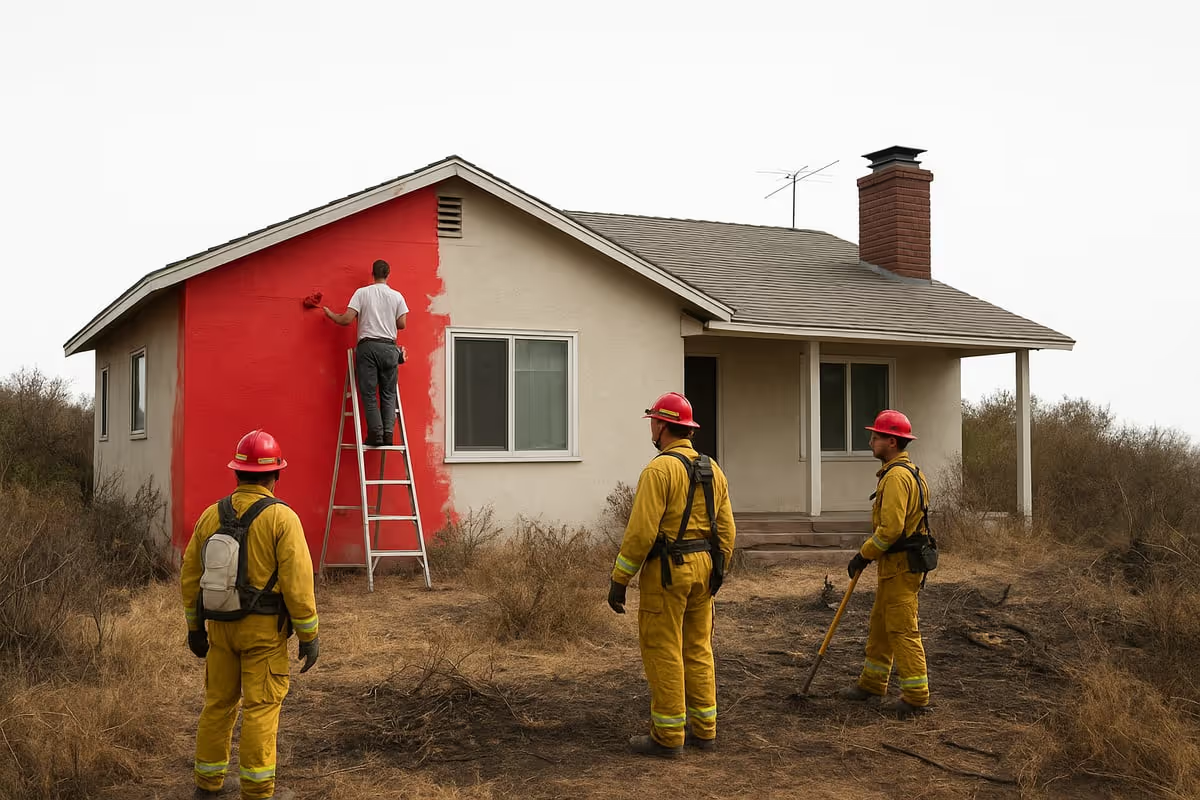
Definition and Composition of Fire Retardant Paint
Fire retardant paint is a specialty coating designed to slow the ignition and spread of flames on surfaces. It works by forming a protective barrier when exposed to high temperatures. Some formulas are intumescent, swelling to create an insulating foam, while others are ablative, releasing gases to cool the surface.
Common ingredients include ammonium polyphosphate, melamine, and various resins. These chemicals interrupt the combustion process, reducing the speed at which fire can travel. Unlike standard paints, fire retardant paints are engineered specifically for fire resistance, but their effectiveness is limited by surface type and fire intensity.
Why Homeowners Consider Fire Retardant Paint
After recent California wildfires, many homeowners seek affordable, accessible ways to protect their properties. Fire retardant paint is marketed as an easy, do-it-yourself solution, available at most hardware stores and simple to apply. It is often perceived as a cost-effective upgrade that can add a layer of safety.
However, marketing claims do not always align with real-world wildfire conditions. While some paints may offer limited protection in controlled burn tests, they are not always tested for the extreme heat, wind, and ember attack seen during wildfires. This leads to misconceptions about their true capabilities and the question, what are the disadvantages of fire retardant paint in actual emergencies?
Intended Use Cases and Limitations
Fire retardant paint is typically designed for use on wood, drywall, or certain exterior surfaces. Most products are tested for structural fire resistance, not direct wildfire exposure. They are not suitable for all building materials, such as vinyl or certain plastics, and may fail to adhere to weathered or previously painted surfaces.
A critical point is that fire retardant paint should never be relied upon as a standalone wildfire solution. Its performance can degrade quickly under UV exposure, rain, and regular wear. Studies, such as the Fire-Retardant Coatings Used in Exterior Applications – Full Report, highlight the challenges of maintaining long-term effectiveness, especially outdoors.
Practical Wildfire Safety Tips Homeowners Can Do Themselves
Beyond asking what are the disadvantages of fire retardant paint, every homeowner should take proactive steps to defend their property:
These measures dramatically increase your home’s chances of surviving a wildfire.
Matador Fire: Next-Level Wildfire Defense
While fire retardant paint has its place, professional wildfire defense offers far more comprehensive and lasting protection. At Matador Fire, our services include agency-approved retardant application, ember-resistant vent installation, and automated defense systems that safeguard your home and landscaping throughout fire season.
Do not settle for partial solutions. Contact Matador Fire today for a free, no-obligation wildfire safety consultation—let us help you secure your property with proven, next-level defense.
7 Surprising Disadvantages of Fire Retardant Paint
Many Los Angeles homeowners ask us at Matador Fire, what are the disadvantages of fire retardant paint? As wildfire defense experts, we see the same mistakes repeated every year. Homeowners trust a single coat of specialized paint to shield their homes, only to discover its real-world limitations when wildfires strike. Below, we break down seven critical drawbacks so you can make informed decisions about your property’s safety.
1. Limited Real-World Effectiveness in Wildfire Conditions
Homeowners often believe fire retardant paint provides a strong barrier against wildfire. However, one of the main answers to what are the disadvantages of fire retardant paint is that most formulations are tested under controlled laboratory conditions, not the extreme, unpredictable heat and wind of a Southern California wildfire.
Wildfires produce radiant heat, flying embers, and direct flame exposure well beyond what typical intumescent or ablative paints can handle. Many paints only offer protection for 15 to 30 minutes, after which their effectiveness drops sharply. In recent Southern California wildfires, insurance adjusters and fire professionals reported numerous cases where painted surfaces still ignited, leading to significant property loss.
Homeowners have also faced insurance claim denials, as paint alone failed to prevent ignition. This real-world evidence shows that while paint may slow fire spread in some scenarios, it cannot be relied upon as a primary defense in severe wildfire conditions.
2. Frequent Reapplication and Short Lifespan
Another critical point when considering what are the disadvantages of fire retardant paint is its short lifespan. Most fire retardant paints last between one and five years, but factors like sunlight, rain, and everyday wear can degrade their protective properties much faster.
In Los Angeles, strong UV exposure and seasonal weather mean that paint may peel, fade, or lose adhesion within a single fire season. Manufacturers often recommend frequent inspections and touch-ups, which adds to both the cost and labor required. Compare this to professional-grade retardants, which can protect for an entire fire season with just one application.
Research on fire performance of timber: review for use in wildland-urban interfaces confirms that durability and the need for periodic reapplication are major challenges for fire-retardant coatings, especially in high-risk areas. Homeowners should consider whether the ongoing expense and maintenance align with their expectations for long-term protection.
3. Hidden Health and Environmental Risks
When evaluating what are the disadvantages of fire retardant paint, health and environmental impacts cannot be ignored. Many products emit volatile organic compounds (VOCs) and other chemicals during and after application, which can pose respiratory risks, especially to children, pets, and sensitive individuals.
Runoff from painted surfaces during rain can introduce these chemicals into soil and water systems, potentially harming local ecosystems. Some paints also contain additives that are less environmentally friendly compared to professional, non-toxic retardants.
Homeowners should read all regulatory warnings and labeling requirements carefully. Choosing safer alternatives and ensuring proper ventilation during application are vital steps to minimize these risks.
4. Limited Surface Compatibility and Aesthetic Drawbacks
Aesthetic and compatibility issues are another overlooked aspect of what are the disadvantages of fire retardant paint. Not all surfaces accept these coatings effectively. For example, vinyl, certain plastics, and some types of wood may not bond well with fire retardant paint, resulting in poor adhesion or flaking.
Weathered or previously painted surfaces often need extensive prep work, increasing both time and cost. Additionally, many fire retardant paints have limited color options, can yellow over time, or produce a chalky finish. Homeowners have reported that these aesthetic drawbacks can negatively impact curb appeal and even reduce resale value.
Examples from the field include failed applications on stucco and siding, where the paint quickly deteriorated or failed to provide consistent coverage.
5. False Sense of Security Leading to Neglected Precautions
Perhaps the most dangerous answer to what are the disadvantages of fire retardant paint is the false sense of security it can create. Some homeowners, believing their property is now protected, may neglect critical wildfire defense measures such as clearing debris, maintaining defensible space, or upgrading vents.
Survey data shows a significant drop in maintenance of defensible space after paint application. Fire departments frequently warn that over-reliance on coatings can leave homes highly vulnerable when paint inevitably fails under severe fire conditions.
We have seen real-world cases where lack of proper preparation led to devastating losses, even though the home was freshly painted with fire retardant products. Education is key—paint is only a small piece of a much larger wildfire defense strategy.
6. High Cost Relative to Performance
Cost is another factor when considering what are the disadvantages of fire retardant paint. While the initial price may seem attractive, the need for frequent reapplication quickly adds up. Homeowners must also factor in labor, surface preparation, and the potential need for professional help.
Fire retardant paint typically requires a higher long-term investment, with an initial cost around $2,000 and annual reapplication costs of roughly $1,000 to maintain effectiveness. While it can provide protection for 1–2 years, ongoing upkeep is necessary to ensure continued performance.
Professional fire retardant applications generally have a lower upfront cost of about $1,500 and do not require annual reapplication. These treatments are designed to remain effective throughout the entire fire season, offering more predictable seasonal protection with fewer maintenance requirements.
Insurance companies rarely offer discounts for fire retardant paint, while professional solutions may qualify for savings. In the long run, dollars spent per year of actual protection can be much higher with paint than with agency-approved alternatives.
7. Not Recognized by Many Insurance or Fire Agencies
The final point in what are the disadvantages of fire retardant paint is its lack of recognition by key agencies. Most insurance companies do not lower premiums for homes treated with fire retardant paint. In addition, many California jurisdictions do not consider it a code-compliant defense method.
Without certification from organizations like Cal Fire or the US Forest Service, homeowners may face denied claims if damage occurs. There is a significant gap between public perception and the standards set by fire professionals.
For true peace of mind, homeowners should seek solutions that are officially recognized and meet the highest safety standards.

Practical Wildfire Safety Tips Homeowners Can Do Themselves
Wildfire risk in Los Angeles is a reality every homeowner must consider. Many people initially look to fire retardant paint as a simple form of protection, but what are the disadvantages of fire retardant paint in real-world scenarios? As wildfire defense experts at Matador Fire, we want you to understand its limits and empower you with practical, proven steps to make your property safer.

Clearing Debris and Maintaining Defensible Space
One of the most important steps beyond paint is maintaining a clean, defensible perimeter around your home. Remove leaves, pine needles, and flammable debris from roofs, gutters, and yards regularly. Focus on Zone 0, which refers to the first five feet around your home, and keep it free of anything that could catch fire. According to research, homes with a five-foot debris-free zone are up to three times more likely to survive a wildfire. For more details on creating and maintaining this crucial buffer, visit our comprehensive What is defensible space guide. This approach addresses what are the disadvantages of fire retardant paint by tackling vulnerabilities paint alone cannot protect.
Vegetation Management and Trimming
Proper vegetation management is essential for reducing fire risk. Prune trees and shrubs to prevent flames from spreading to your structure. Remove dead branches and ladder fuels that could carry fire upwards. Space out plantings to minimize the chance of fire bridging gaps. These simple actions are highly effective and address what are the disadvantages of fire retardant paint, as paint does not stop fire from traveling through unmanaged vegetation.
Removing Combustibles and Upgrading Materials
Store firewood, propane tanks, and outdoor furniture far from your home. Replace flammable mulch with gravel or stone in critical areas, especially within Zone 0. Upgrading windows and doors to dual-pane or fire-rated options adds another layer of protection. These measures reduce ignition points and compensate for what are the disadvantages of fire retardant paint, which cannot safeguard areas covered by combustible materials.
Routine Home Maintenance for Fire Safety
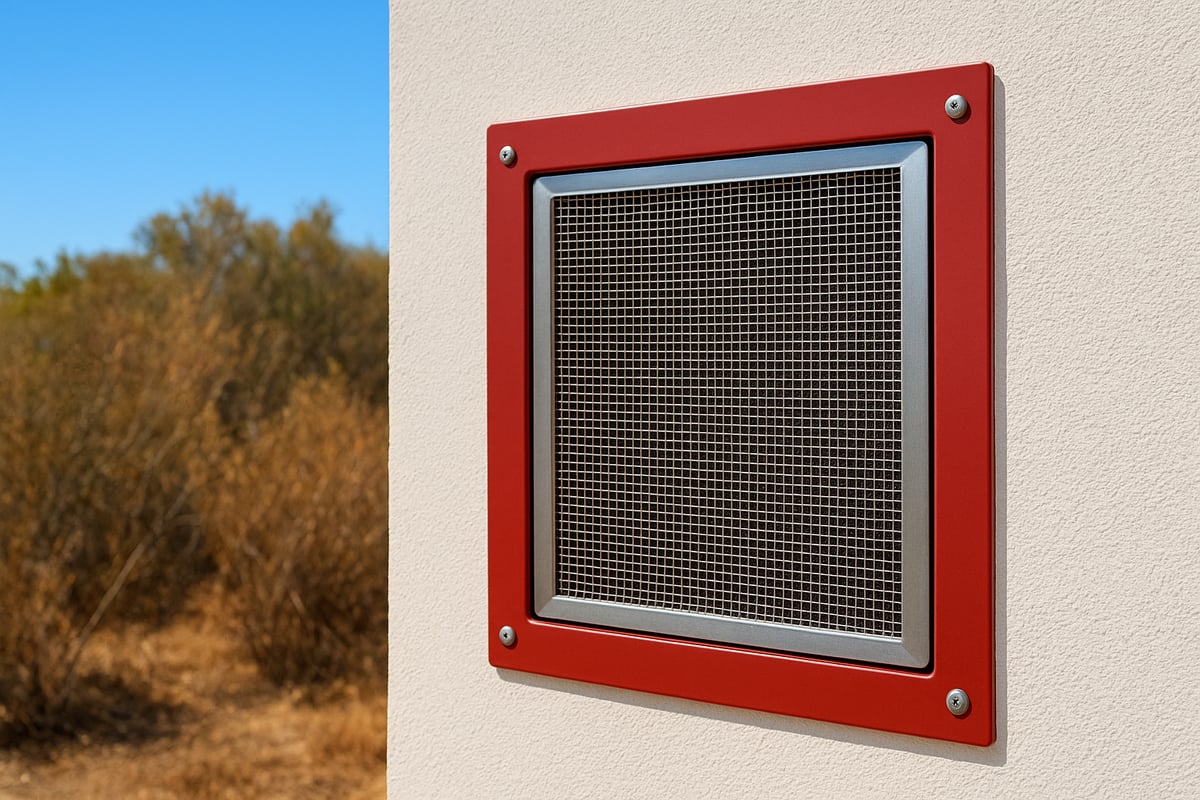
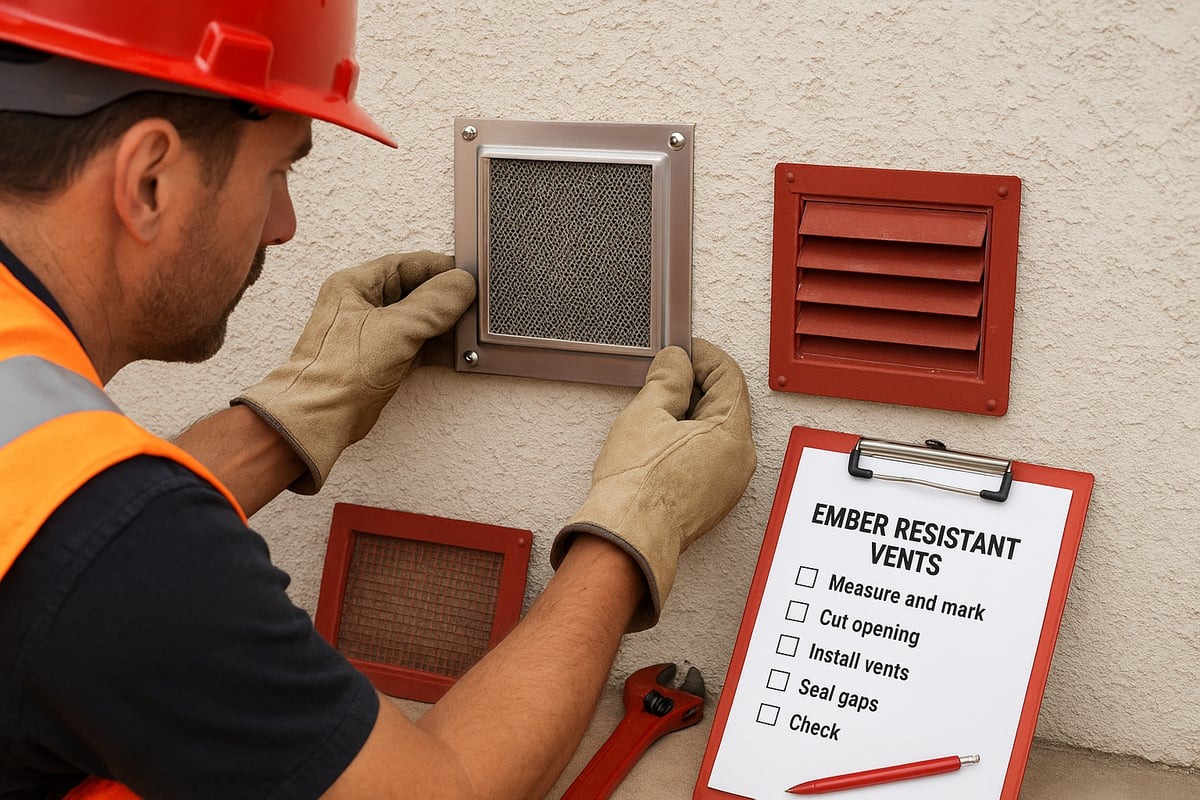
Regular maintenance is vital for wildfire defense. Seal gaps and cracks to prevent embers from entering your home. Inspect and repair roofing, vents, and siding as needed. Install metal mesh screens over vents and under decks to block embers. These routine steps address what are the disadvantages of fire retardant paint, which often fails to protect against ember intrusion and hidden vulnerabilities.
Community Preparedness and Emergency Planning
Wildfire safety is stronger when neighbors work together. Join or form a Firewise USA community to share resources and strategies. Develop a family evacuation plan and prepare an emergency supply kit. Stay updated with local wildfire alerts and resources. By building community resilience, you further offset what are the disadvantages of fire retardant paint and create a safer neighborhood for everyone.
At Matador Fire, we believe in solutions that go beyond paint. Our professional wildfire defense services include agency-trusted retardant application, ember-resistant vent installation, and automated exterior defense systems. These measures provide comprehensive, long-lasting protection that far surpasses anything paint can offer. Contact Matador Fire today for a free, no-obligation consultation and let us help you safeguard your home and community from wildfire threats.