Wildfire Preparedness Guide: Stay Safe in 2026
Wildfires in California are growing more frequent and intense, with Los Angeles facing record-breaking fire seasons in recent years. As we begin 2026, the stakes for homeowners have never been higher.
Wildfire preparedness means taking proactive steps to reduce risk, protect your family, and safeguard your property. Start by clearing gutters, trimming trees, moving woodpiles away from your home, and keeping your yard free of dry debris.
- Clear leaves and pine needles from your roof and gutters
- Trim branches at least ten feet from structures
- Move flammable materials like woodpiles away from your house
- Maintain a short, well-watered lawn
While these actions are essential, the most effective defense comes from expert solutions. At Matador Fire, we offer professional ember-resistant vent installation, fire retardant application, and on-demand wildfire defense systems tailored to your needs. Ready for peace of mind this wildfire season? Contact Matador Fire today for a free, no-obligation consultation.
Understanding Wildfire Risks in 2026
Wildfire preparedness is more than a checklist—it is a mindset and a commitment to protecting your home, your loved ones, and your community. As wildfire defense experts in Los Angeles, we have seen firsthand how being proactive can make all the difference. Let’s explore why 2025 is shaping up to be a pivotal year for wildfire preparedness and what steps you can take right now.
The Evolving Wildfire Threat
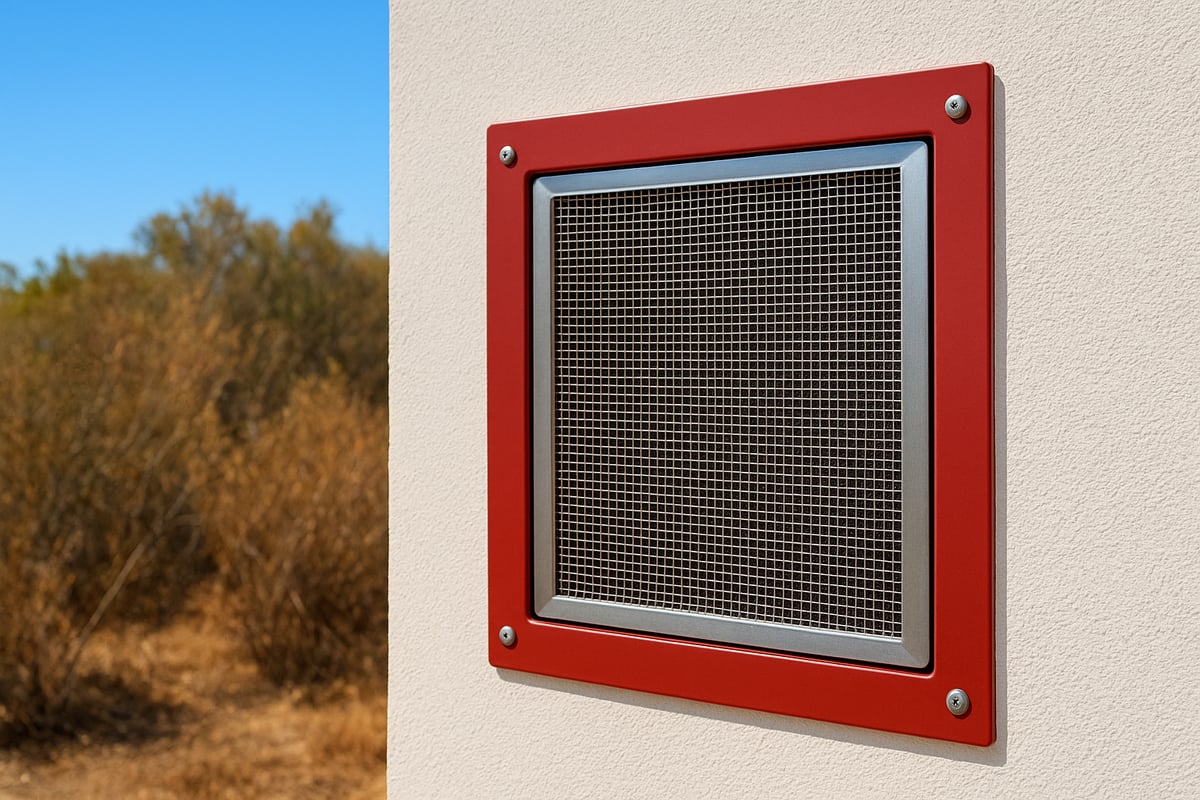
California’s wildfire seasons are getting longer, hotter, and more unpredictable. In 2023 and 2024, the state saw historic wildfire activity, with over 7,000 wildfires reported and millions of acres scorched, according to CAL FIRE's Wildfire Preparedness Campaign. The Los Angeles region faces unique risks: homes built near wildland-urban interfaces, steep canyons, and the notorious Santa Ana winds all amplify the danger.
Most home ignitions start with wind-driven embers entering small gaps or landing on flammable materials. Local ordinances and insurance companies now require homeowners to adopt specific wildfire preparedness measures. Staying informed and taking action has never been more important.
Assessing Your Property’s Vulnerability
Every property is different, but the risks are consistent. Start your wildfire preparedness by identifying how close you are to brush, slopes, or open land. Use risk assessment tools, like those modeled after the Colorado Wildfire Risk Assessment Portal, to evaluate your exposure.
Look for vulnerable features such as wood decks, unscreened vents, and flammable landscaping. Regularly assess and document your home’s condition—photos and written records can be crucial for insurance and compliance. Many homes lost in the 2023 Topanga fire lacked these basic steps, underscoring the need for vigilance. As a homeowner, you can clear gutters, trim trees, and remove woodpiles to significantly reduce your risk.
The Cost of Inaction
Failing to prioritize wildfire preparedness can have devastating consequences. The average loss per home in California wildfires exceeds $700,000. Many homeowners face rising insurance premiums or even coverage denial if they do not implement mitigation measures.
Beyond financial loss, there are serious health risks from smoke exposure and the stress of sudden evacuation. Communities also suffer as first responders are stretched thin during peak fire events. The emotional toll—displacement, loss of valuables, and the disruption to daily life—is often overlooked but deeply impactful.
Why 2025 Demands Proactive Action
Forecasts for 2025 point to even more severe fire weather, with experts predicting increased heat and drought. New regulations and stricter enforcement in high-risk areas mean that every homeowner must take wildfire preparedness seriously.
In addition to routine tasks like clearing debris and maintaining defensible space, consider upgrading to ember-resistant vents and fire-retardant landscaping. These steps are effective, but a comprehensive home-hardening plan is the best way to meet evolving standards. At Matador Fire, we offer professional assessments and custom defense solutions tailored to your property.
While DIY measures are a great foundation, true wildfire preparedness requires expert insight and ongoing support. Contact Matador Fire today for a free, no-obligation consultation to ensure your home is ready for whatever 2025 brings.

Step 1: Create Defensible Space Around Your Home
Establishing defensible space is the cornerstone of wildfire preparedness for Los Angeles homeowners. As wildfire seasons become longer and more intense, creating a buffer zone around your home is no longer optional. Defensible space means modifying the landscape to slow or stop wildfire spread, protect your property, and provide firefighters with a safer area to defend.
This approach is supported by state agencies and experts, including CAL FIRE's 'Get Ready' Guide, which details best practices for each zone. By understanding these zones and following proven strategies, you significantly increase your home's chances of surviving a wildfire event.
What is Defensible Space?
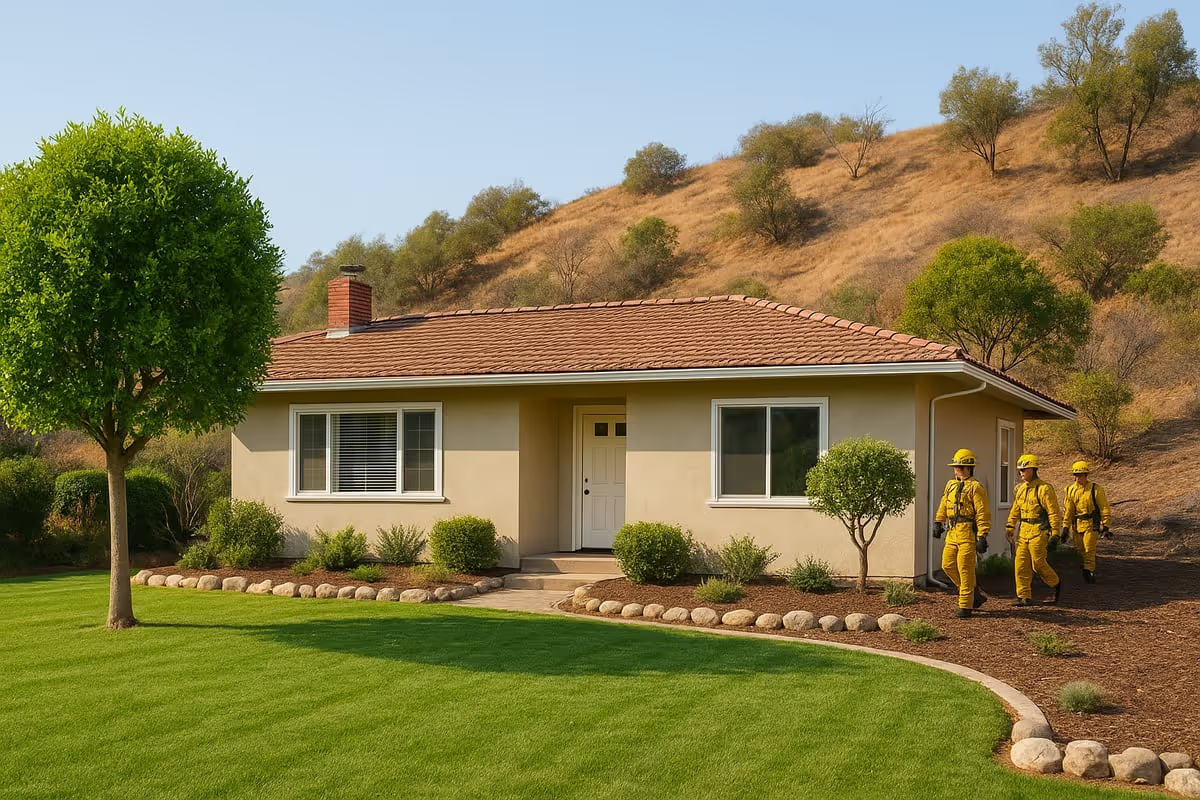
Defensible space is a critical component of wildfire preparedness. It refers to the buffer zones you create between your home and surrounding vegetation or combustible materials. These zones are designed to reduce fuel for wildfires and help protect your home from flying embers.
State recommendations divide defensible space into three zones: the immediate zone (0–5 feet), the intermediate zone (5–30 feet), and the extended zone (30–100 feet). Each zone has specific guidelines for reducing fire risk. Creating and maintaining defensible space not only protects your family but also supports firefighter efforts during an emergency. Homes with defensible space are up to 80 percent more likely to survive a wildfire.
Clearing and Maintaining Vegetation
A core part of wildfire preparedness is actively managing vegetation around your home. Remove dead plants, leaves, and pine needles from your yard, roof, and gutters. Regularly mow your grass and keep it short to reduce fuel.
Trim tree branches so they are at least 10 feet away from structures and other trees. Space out shrubs and plants to prevent fire from moving upward, which is known as “laddering.” Consistent attention to your landscaping can reduce the chance of home ignition by up to 75 percent.
Managing Flammable Materials and Structures
Managing combustible materials is essential for comprehensive wildfire preparedness. Move woodpiles, propane tanks, and outdoor furniture away from your home, especially during fire season. If you have wooden fences or decks, consider replacing or treating them with fire-resistant materials.
Store combustibles in fireproof containers, and use gravel or stone in the immediate zone instead of flammable mulch. Many property losses in Malibu were linked to woodpiles stacked against homes, demonstrating the importance of this step.
Ongoing Maintenance and Seasonal Preparation
Wildfire preparedness is not a one-time effort. Schedule regular yard cleanups, particularly before and during peak fire season. After windstorms or high-risk fire days, promptly remove fallen branches and debris.
Inspect and maintain your irrigation system to keep landscaping healthy and hydrated. Document your efforts with photos for insurance purposes and local compliance. Take advantage of community cleanup events and city disposal programs to make the process easier and more effective.
DIY Defensible Space Checklist
To make wildfire preparedness manageable, follow this step-by-step checklist each season:
Many of these tasks can be completed without professional help, using state and local guides for reference. However, for comprehensive protection, expert support is invaluable.
At Matador Fire, we offer advanced solutions like ember-resistant vent installation, professional fire retardant application, and on-demand defense systems. While your efforts are a vital first step, a full home-hardening plan ensures your property is truly prepared for wildfire season. Contact Matador Fire today for a free, no-obligation consultation and take the next step in safeguarding your home.
Step 2: Home Hardening—Upgrading Your Home’s Wildfire Defenses
Protecting your home requires more than just clearing brush. Home hardening is a vital part of wildfire preparedness, giving your property a fighting chance when embers fly. As Matador Fire experts, we see firsthand how strategic upgrades save homes in Los Angeles communities. Let’s break down the key steps you can take to boost your wildfire preparedness today.
Sealing Vulnerable Entry Points
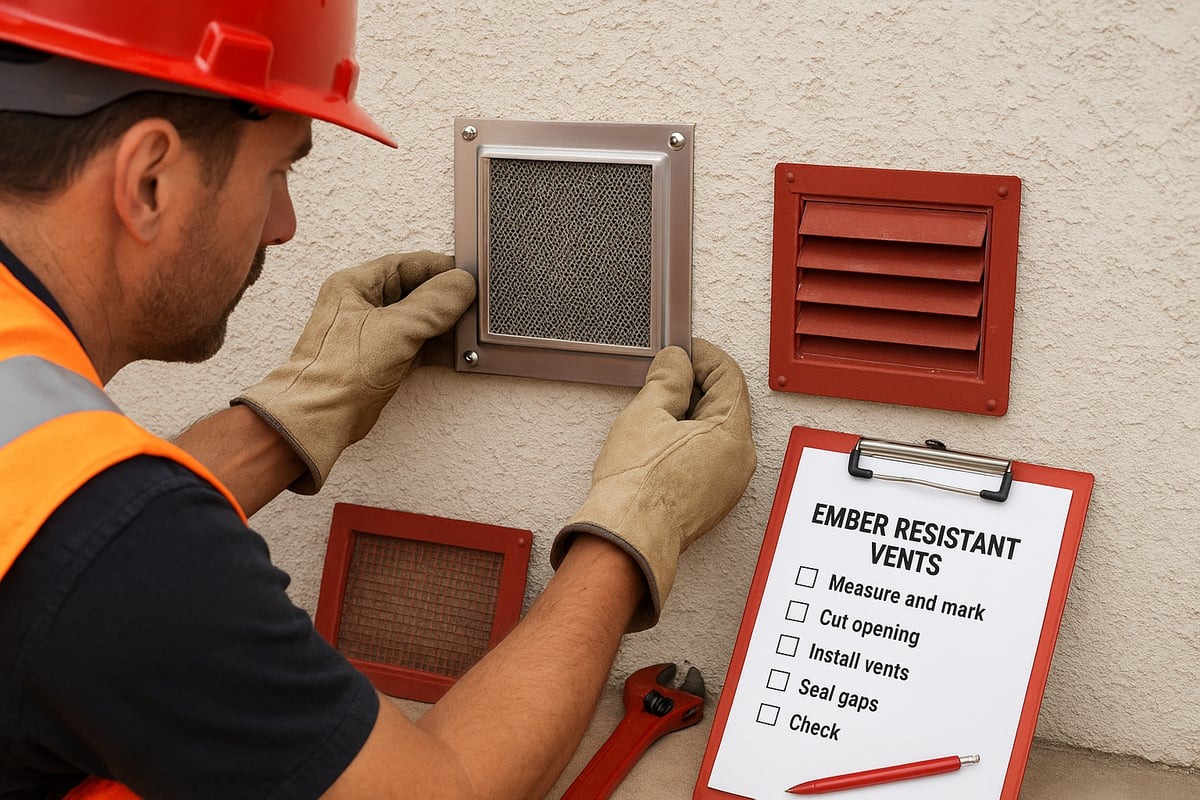
The first step in wildfire preparedness is to identify where embers can enter your home. Common weak spots include vents, eaves, soffits, and tiny gaps around doors or windows.
Seal these entry points by:
Homes lost in the 2021 Woolsey Fire often had unprotected vents or open gaps. By addressing these vulnerabilities, you significantly reduce the chance of ignition, setting a strong foundation for wildfire preparedness.
Upgrading Windows, Roofs, and Siding
Next, focus on the outer armor of your home. Wildfire preparedness means upgrading key materials to withstand heat and embers.
Consider these improvements:
Class A roofs alone can lower the risk of ignition by more than 85 percent. These upgrades not only improve wildfire preparedness but may also qualify you for insurance discounts.
Fire-Resistant Landscaping and Hardscaping
Landscaping plays a surprising role in wildfire preparedness. The right choices can act as a barrier, stopping flames before they reach your home.
Best practices include:
In Brentwood, community-wide adoption of fire-resistant landscaping has dramatically reduced fire spread, reinforcing the importance of landscaping in your overall wildfire preparedness strategy.
Professional-Grade Retardant Application
For the highest level of wildfire preparedness, consider professional fire retardant application. Non-toxic, eco-friendly retardants can be sprayed on landscaping, fences, decks, and even home exteriors.
These solutions:
In 2023, homes treated with professional-grade retardant in high-risk zones survived fires that destroyed neighboring properties. This level of defense is a smart investment in comprehensive wildfire preparedness.
Matador Fire: Professional Wildfire Defense Solutions
While DIY steps are essential, true wildfire preparedness calls for expert support. At Matador Fire, we offer comprehensive services including ember-resistant vent installation, custom defense systems, and eco-friendly fire retardant application.
Our team provides a free, no-obligation assessment to identify your home’s unique risks. We design tailored solutions that go beyond basic upgrades, empowering you to protect your property and support neighborhood resilience.
Ready to take the next step in wildfire preparedness? Contact Matador Fire today and let us help you secure peace of mind for wildfire season and beyond.
Step 3: Emergency Planning and Evacuation Readiness
Wildfire preparedness is more than just clearing brush—it’s about having a thorough plan when every second counts. As wildfire defense experts at Matador Fire, we know that a well-prepared family can make all the difference during an emergency. In this section, we’ll walk you through essential steps every homeowner can take to boost safety and confidence before, during, and after a wildfire event.

Creating a Family Wildfire Action Plan
At the core of wildfire preparedness is a written action plan. Start by mapping out evacuation routes from your home and neighborhood. Identify two meeting points: one close by and another outside your immediate area. Assign specific roles to each family member, including who will grab emergency kits, who will manage pets, and who will handle communication.
Practice evacuation drills at least twice per year. This builds confidence under pressure and highlights areas for improvement. Don’t forget to include plans for pets, livestock, and anyone with special needs. Regularly review and update your plan to stay ahead of changing risks in Los Angeles.
Assembling a Wildfire Emergency Kit
A comprehensive emergency kit is a cornerstone of wildfire preparedness. Every kit should include N95 masks, bottled water, non-perishable food for at least 72 hours, flashlights, batteries, and a first aid kit. Add important documents, emergency contact lists, medications, pet supplies, and portable chargers.
Keep your kit in an easy-to-reach spot for quick access during an evacuation. Double-check expiration dates and restock supplies each season. In an emergency, a well-prepared kit reduces stress and helps your family stay safe and self-sufficient until help arrives.
Monitoring Wildfire Alerts and Air Quality
Staying informed is critical for effective wildfire preparedness. Sign up for local alerts from LA County, Cal Fire, and Ready, Set, Go! programs. Download air quality apps and bookmark trusted websites to monitor smoke and health risks in real time.
Understand the difference between evacuation warnings, mandates, and shelter-in-place orders. Keep a battery-powered radio handy for updates if power or internet service is interrupted. For more tools and step-by-step guides, explore our wildfire preparedness resources to stay ahead of changing conditions.
Preparing Your Home Before Evacuation
When a wildfire threatens, taking a few minutes to prepare your property can make a real impact. Shut all windows and doors, but leave them unlocked so firefighters can access your home. Move flammable furniture away from windows and doors to reduce ignition risk.
Turn off gas, propane, and fuel oil supplies to minimize hazards. Leave lights on to help firefighters navigate through smoke. Following a pre-evacuation checklist, based on wildfire preparedness principles, boosts your home’s chances of survival and keeps your family safer during emergencies.
Community Coordination and Support
Wildfire preparedness is a shared responsibility. Join or form neighborhood groups to share evacuation plans, resources, and contact information. Participate in community-wide drills and connect with local Fire Safe Councils to strengthen your neighborhood’s resilience.
Know where local shelters and assistance centers are located before an emergency strikes. Get involved in city programs like LA’s Ready Your LA Neighborhood (RYLAN) to build a proactive, connected community. For maximum protection, consider how Matador Fire’s professional services—like ember-resistant vent installation, fire retardant application, and advanced defense systems—can complement your efforts. Contact us today for a free, no-obligation consultation and take the next step toward true wildfire preparedness.