In 2025, Los Angeles faced one of its most intense wildfire seasons on record, with thousands of homes at risk and millions in damages. As wildfire threats grow, wildfire prevention has become essential for every homeowner in our region.

Wildfire prevention means taking steps to reduce the chance that your home and property will ignite, even when conditions are extreme. In 2026, this is more critical than ever due to hotter weather, longer fire seasons, and expanding risk zones.

True safety requires a proactive, multi-layered approach. This guide will show you practical actions you can take, from clearing gutters to choosing fire-resistant landscaping, and explain how expert solutions provide the highest level of protection.

Ready to safeguard your home and loved ones? Let’s explore the strategies that make a real difference.

Understanding Wildfire Risks in 2026

As wildfire prevention experts based in Los Angeles, we have witnessed dramatic changes in wildfire patterns over the past decade. The risks homeowners face today are more complex and urgent than ever before. Understanding these evolving threats is the first step toward effective wildfire prevention and true peace of mind.
The Evolving Wildfire Landscape

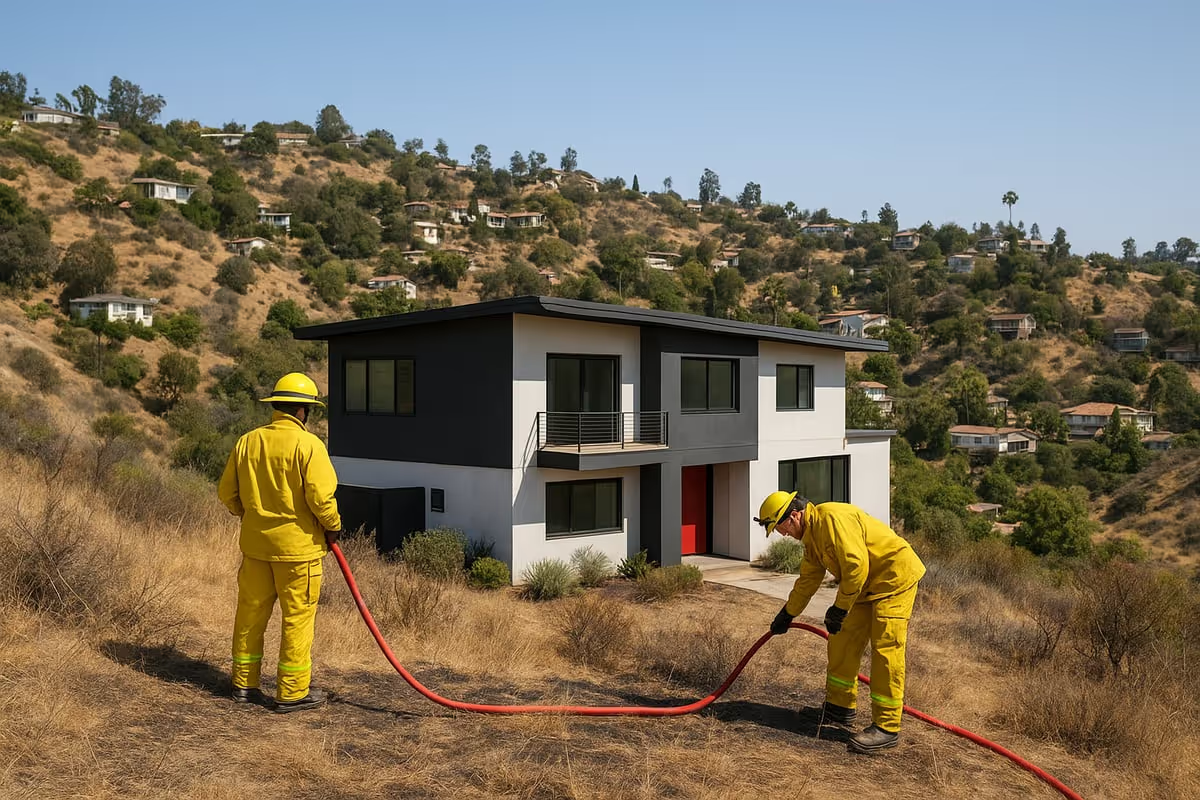
Wildfires in California, and especially Los Angeles, have become more frequent, intense, and unpredictable. According to recent fire seasons, the National Interagency Fire Center reported over 2 million acres burned statewide in 2024 alone. The 2025 fire season is already showing signs of surpassing previous records, with the January 2025 Los Angeles County wildfires causing significant property loss and community disruption, as detailed in the Assessment of January 2025 Los Angeles wildfires.

Climate change is a key driver behind these trends. Hotter temperatures and prolonged droughts are drying out vegetation, creating a perfect fuel bed for wildfires. Extended fire seasons now leave little recovery time for the landscape, while wind patterns—such as the notorious Santa Ana winds—can push flames rapidly toward residential areas. As urban development expands into the wildland-urban interface, more homes are exposed to wildfire threats.

Both human activity and natural causes contribute to ignition sources. Downed power lines, discarded cigarettes, and unattended campfires remain leading human causes, while lightning strikes are a persistent natural threat. Vegetation overgrowth, lack of regular maintenance, and accumulated debris raise the risk even further.

The economic and personal costs are staggering. Los Angeles alone has faced wildfire economic losses estimated at over $50 billion in recent years. These realities make updated wildfire prevention strategies essential for every homeowner in 2025. Staying informed and adapting to the current landscape is the foundation of effective protection.

Assessing Your Home’s Vulnerability

Wildfire prevention starts with a clear-eyed assessment of your property. Many homeowners are surprised to learn that small details—like the type of roof or gaps in vent screens—can make a significant difference in fire resilience.

Key vulnerabilities to watch for include:

  • Wood shake or shingle roofs that can easily ignite
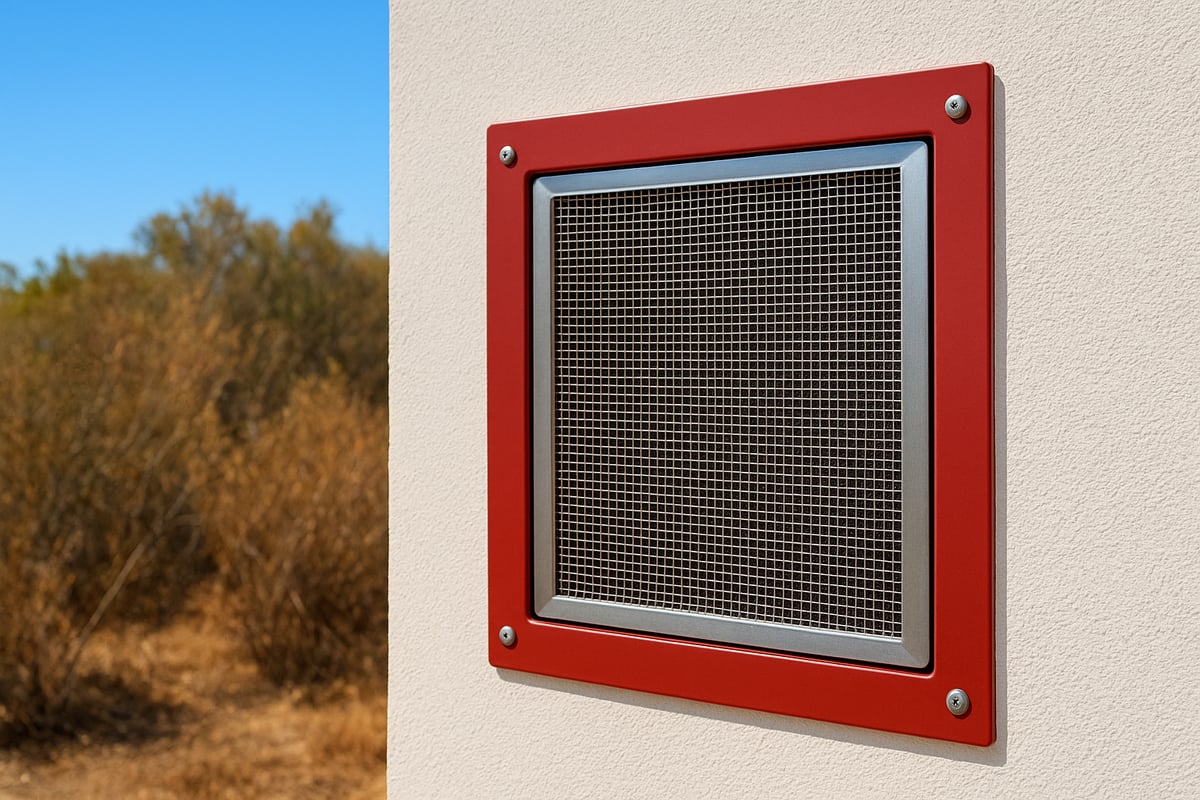
  • Unscreened vent openings that allow embers inside
  • Flammable landscaping close to the home
  • Overhanging branches or dead vegetation near structures
  • Proximity to unmanaged wildland areas

The concept of defensible space is vital. This means creating a buffer zone around your home by clearing combustible materials and maintaining healthy landscaping. Home hardening involves upgrading building materials and sealing openings to resist ember intrusion.

Here is a quick self-assessment checklist for wildfire prevention:

  • Inspect your roof, vents, and gutters for flammable debris.
  • Trim trees and shrubs at least 10 feet from your home.
  • Move firewood, propane tanks, and outdoor furniture away from structures.
  • Replace or screen vents with 1/8-inch metal mesh.
  • Maintain a green, irrigated lawn and choose fire-resistant plants.

Many Los Angeles neighborhoods have already seen the benefits of these steps. Case studies show that homes with maintained defensible space and basic hardening measures are far more likely to survive wildfire events. Remember, while DIY efforts are crucial, a comprehensive wildfire prevention plan often requires expert guidance to address all vulnerabilities.
Wildfire Defense, Made Simple

3. image of inspected home exterior

Proactive Steps Homeowners Can Take Today

Taking action on wildfire prevention is essential for every Los Angeles homeowner. As wildfire seasons grow longer and more intense, proactive measures help safeguard your family, property, and neighborhood. Wildfire prevention means anticipating threats, reducing ignition sources, and building resilience before a fire ever starts.

The steps you take now can make a critical difference. Below, we outline practical, expert-backed wildfire prevention strategies you can begin today. As wildfire defense professionals at Matador Fire, we know that combining these steps with professional solutions offers the best protection.

01

Creating Defensible Space

Defensible space is a critical wildfire prevention strategy that creates a buffer between your home and surrounding vegetation. This space slows or stops the spread of fire and gives firefighters a safer area to defend your property.

Start by dividing your property into three zones:

Regularly clean gutters, roofs, and decks to prevent ember buildup. Store firewood and propane tanks away from the house. Choose fire-resistant plants and non-combustible landscaping materials for added wildfire prevention.

Adhering to local regulations is also vital. Los Angeles ordinances require homeowners to maintain proper defensible space. Following these guidelines not only protects your home but also supports community-wide wildfire prevention.

02

Home Hardening Techniques

Home hardening is the process of making your house less vulnerable to ember intrusion and heat. Embers are the primary cause of home ignition during wildfires, so addressing weak spots is essential for wildfire prevention.

Start with these DIY upgrades:

Upgrade to fire-rated windows and doors where possible. Swap out wooden fences and decks for non-combustible alternatives. Maintain eaves and clear debris from roofs frequently.

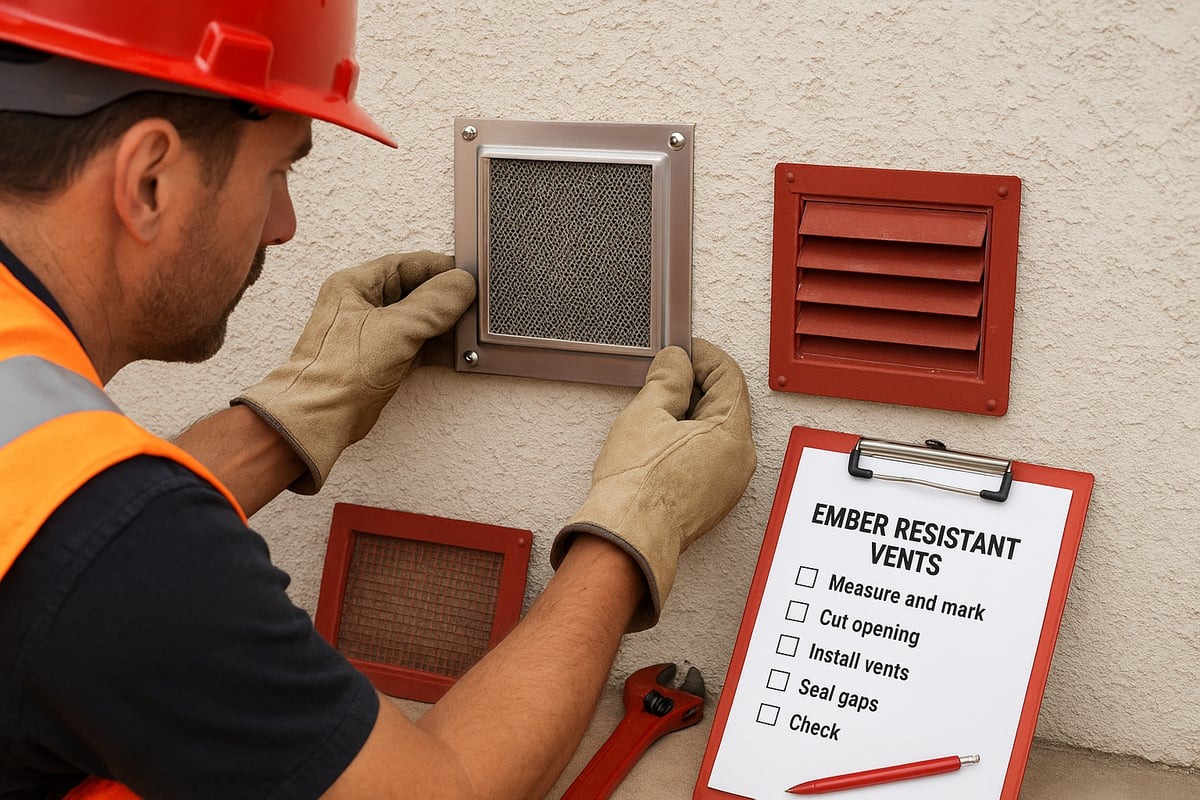
For next-level wildfire prevention, consider professional solutions. At Matador Fire, we offer installation of ember-resistant vents, application of non-toxic fire retardants, and customized defense systems. To see how these services go beyond DIY, visit our Wildfire prevention services overview.

Combining home hardening with defensible space creates multiple layers of protection. Many Los Angeles homes have survived wildfires thanks to these comprehensive measures.

03

Community Engagement and Preparedness

Wildfire prevention is most effective when entire neighborhoods work together. Engaging with your community builds resilience and strengthens defense lines.

Join programs like Firewise USA® or start a local wildfire prevention group. Organize clean-up days to remove overgrown vegetation and debris from shared spaces. Coordinate with neighbors to create continuous defensible space across property lines.

Prepare an emergency evacuation plan and assemble ready-to-go kits for your household. Stay informed by signing up for local wildfire alerts and maintaining open communication with the fire department.

Success stories from Los Angeles show that when communities unite, wildfire prevention efforts are far more effective. By pooling resources, sharing knowledge, and supporting each other, you create a safer environment for everyone.

Remember, while these steps are a strong foundation, the most robust wildfire prevention comes from expert assessment and advanced protection. Contact Matador Fire today for a free, no-obligation consultation and let us help you secure your home for the future.

04
05
06

image of pest control procedures
Wildfire Defense, Made Simple
DIY Wildfire Defense:
image of a fabric protector being sprayed on sofa upholstery
Eco-Friendly Fire Protection

Professional-Grade Wildfire Defense Solutions

Wildfire prevention is more than a checklist—it is a mindset and a commitment. For Los Angeles homeowners, the stakes have never been higher. Each year, wildfire seasons grow longer, and the risks become more immediate. Wildfire prevention means taking deliberate steps to protect your home from ignition, reduce fuel for fires, and minimize vulnerabilities. By staying proactive, you can make your property far less likely to be a statistic in the next major fire event.

Before considering advanced solutions, it is important to start with the fundamentals of wildfire prevention. These practical actions not only provide a first line of defense but also prepare your home for more robust upgrades.
Why Wildfire Prevention Matters: First Steps for Homeowners

As wildfire prevention experts, we see firsthand how small changes can make a big difference. Here are five essential steps every homeowner should prioritize:

  • Clear Gutters and Roofs: Remove leaves, pine needles, and debris from gutters, roofs, and decks to prevent embers from finding fuel.
  • Trim Vegetation: Keep trees and shrubs pruned, especially within 5 feet of your home. Remove dead branches and undergrowth regularly.
  • Move Woodpiles and Flammable Items: Store firewood, propane tanks, and outdoor furniture at least 30 feet away from structures.
  • Maintain Lawns and Irrigation: Keep your grass short and well-watered. Dry, overgrown lawns are prime fuel for wildfires.
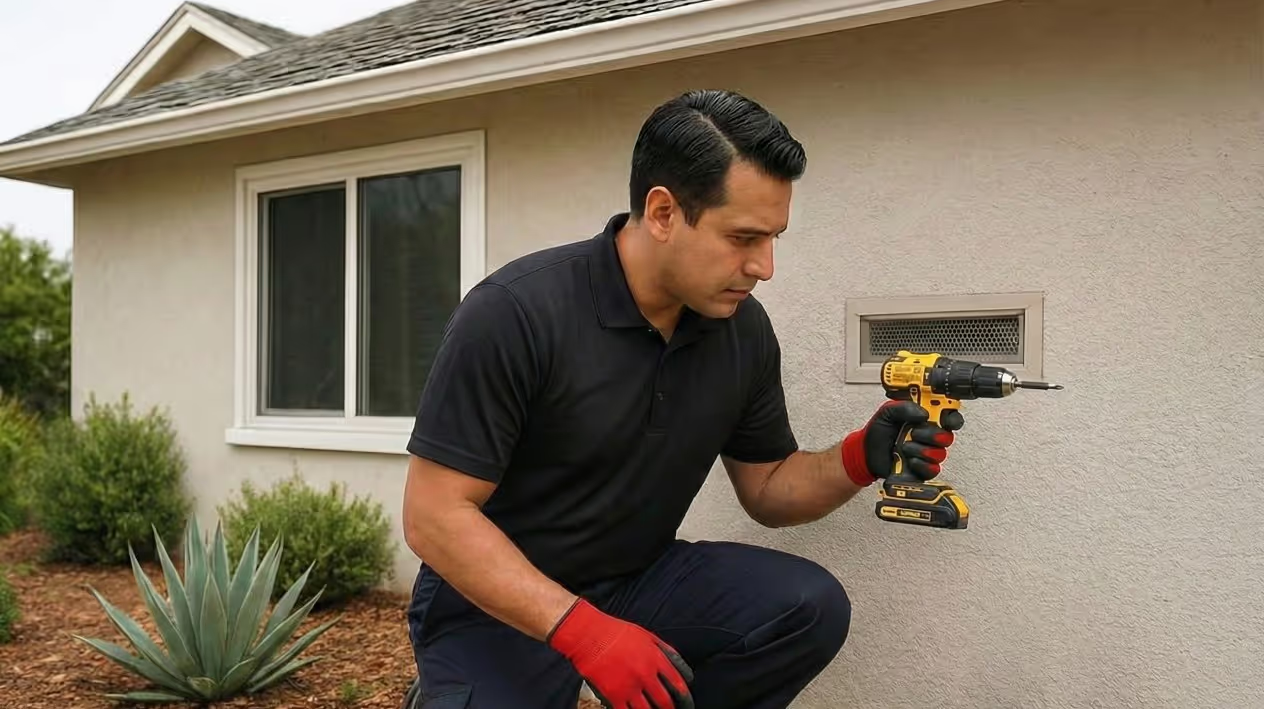
  • Install Metal Mesh Screens: Cover vents and openings with 1/8-inch metal mesh to stop embers from entering attics or crawl spaces.

By integrating these wildfire prevention measures, you reduce the most common ignition sources. These steps are cost-effective and manageable for most homeowners, and they form the backbone of effective home defense. However, as wildfires become more intense, relying solely on DIY efforts may not be enough.

Professional-Grade Solutions: The Matador Fire Advantage

While every homeowner plays a vital role in wildfire prevention, advanced threats require advanced solutions. DIY steps create a critical buffer, but embers and radiant heat from severe fires often overwhelm basic defenses. This is where Matador Fire’s expertise comes in.

Our team specializes in professional-grade wildfire prevention. We offer:

  • Ember-Resistant Vent Installation: Custom-fit, agency-approved vents that block embers but allow airflow.
  • Non-Toxic Fire Retardant Application: Environmentally safe, long-lasting coatings applied to vegetation and vulnerable surfaces.
  • On-Demand Defense Systems: Automated exterior sprinkler and foam systems for rapid fire response.
  • Comprehensive Property Assessments: Detailed evaluations to identify hidden risks and recommend targeted upgrades.

Recent data shows homes with professional wildfire prevention systems have a significantly higher survival rate during severe events. Our clients consistently report greater peace of mind and improved insurance outcomes. For a comprehensive look at how we can help, visit our Matador Fire home page.

While DIY steps are an excellent start, a truly resilient home requires expert planning and specialized solutions. Contact Matador Fire today for a free, no-obligation consultation and let us help you secure your property against the next wildfire season.
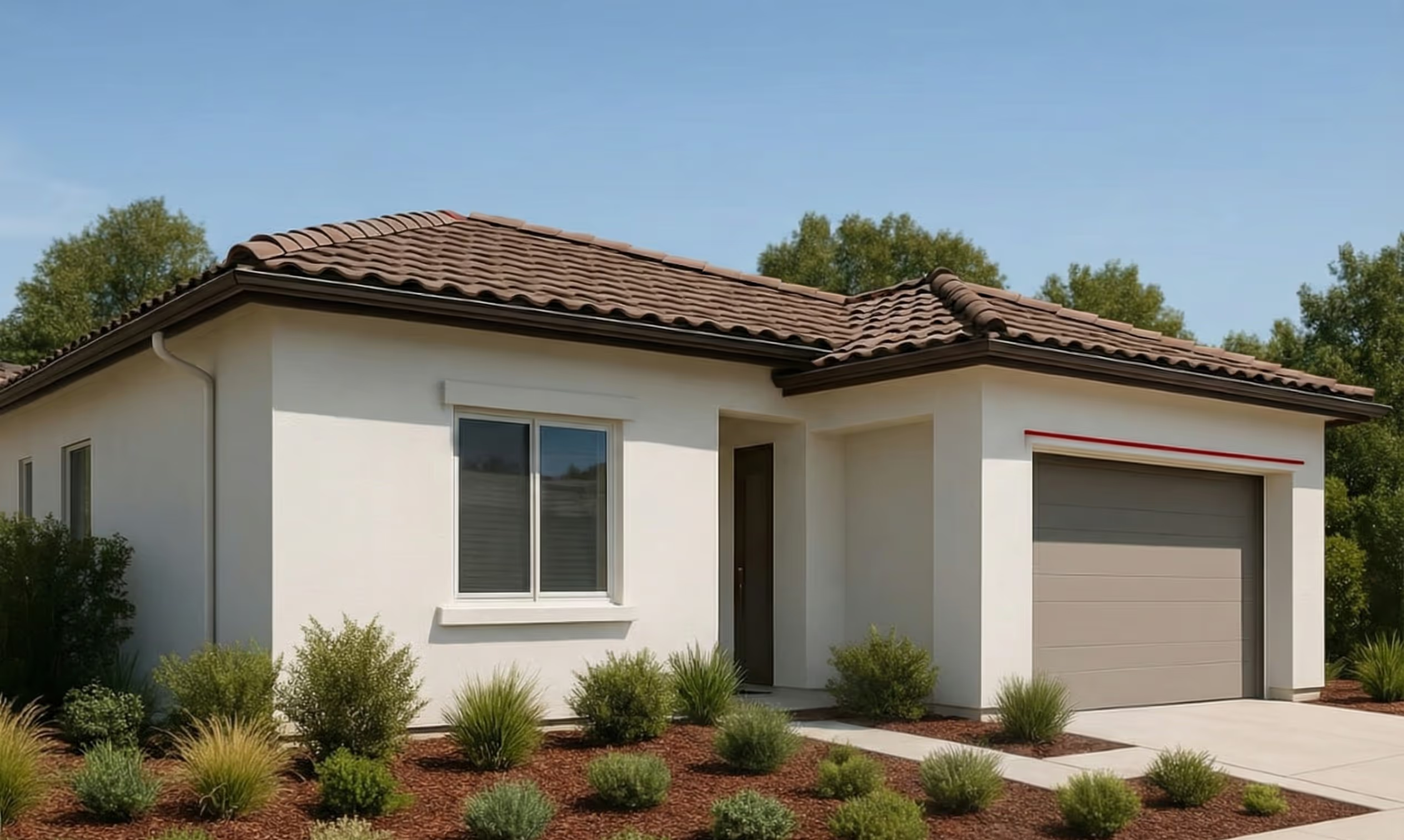
Wildfire Defense Solutions:

Innovations and Emerging Technologies in Wildfire Prevention

Wildfire prevention is the practice of using strategies and technologies to reduce the risk of fire ignition and spread around your home. For Los Angeles homeowners, staying ahead of wildfire threats is more important than ever. Recent years have seen not only more frequent fires but also more severe events, making innovation a crucial part of wildfire prevention.

One of the most significant advances is the use of smart sensors and artificial intelligence for early fire detection. These tools can identify smoke, heat, and wind changes in real time, allowing for immediate alerts. Homeowners can now receive notifications directly to their phones, giving them precious minutes to act. Risk mapping platforms use satellite data and environmental sensors to pinpoint areas most vulnerable to wildfire, empowering residents to take targeted action.

Modern building materials are also transforming wildfire prevention. Fire-resistant roofing, siding, and windows can dramatically reduce the chance of embers igniting a home. Automated defense systems, such as remote-controlled sprinklers and barrier deployment, offer on-demand protection even when you are away. These systems can be programmed to activate based on sensor data, adding a critical extra layer of defense.

Drones and satellite imagery are now central to wildfire prevention strategies. Drones can patrol large properties, monitoring for hot spots and capturing real-time data. Satellite imagery helps track fire movement and vegetation health across neighborhoods. Community-wide alert platforms connect residents, first responders, and local agencies, ensuring everyone has up-to-date evacuation and safety information. For a deeper dive into the latest wildfire prevention technologies, explore our comprehensive technology overview.

Here are a few practical steps you can implement today:

  • Install smoke and heat sensors around your property.
  • Upgrade to fire-resistant vents and windows.
  • Clear gutters and roofs of debris regularly.
  • Trim back trees and remove dead vegetation.
  • Join neighborhood alert groups to stay informed.

California communities are already seeing the benefits of these innovations. Neighborhoods using smart detection and automated defense systems have experienced fewer losses, and faster response times. As technology continues to evolve, expect even more advanced solutions like AI-driven fire modeling and fully integrated home defense networks.

At Matador Fire, we believe that while DIY steps are vital, combining them with professional-grade solutions offers the best protection. Our team specializes in installing cutting-edge systems, applying environmentally safe fire retardants, and providing expert property assessments. Contact Matador Fire today for a free consultation and take the next step toward comprehensive wildfire prevention.

Building a Wildfire-Resilient Community

Wildfire prevention is more than just an individual effort—it is a shared responsibility that can make or break a neighborhood’s safety. In Los Angeles, where wildfire risk is ever-present, homeowners must understand that their property’s fate is intertwined with their community’s commitment to wildfire prevention.

How Can I Help Prevent Wildfires

A wildfire-resilient community works together to reduce ignition sources, manage vegetation, and support one another in preparing for emergencies. As wildfire seasons intensify, the importance of collective action grows. When neighbors collaborate, the impact of each homeowner’s wildfire prevention measures multiplies, creating a powerful buffer against disaster.

What Homeowners Can Do Together

Building wildfire resilience starts with simple, practical steps that any neighborhood can adopt. Here are key actions that have proven effective in Los Angeles communities:

  • Organize Community Clean-Up Days: Plan regular events to remove dead vegetation, clear gutters, and trim overgrown trees along property lines and public spaces. This reduces fuel for fires and increases defensible space for every home.
  • Establish Defensible Space as a Group: Work with neighbors to create continuous defensible space, especially where properties border wildland areas. Align efforts so that gaps do not exist between lots.
  • Coordinate Vegetation Management: Pool resources to hire professionals for large-scale brush clearance or tree removal. Consider forming a committee to oversee seasonal maintenance.
  • Build Firebreaks and Fuel Reduction Zones: In high-risk zones, collaborate to establish community firebreaks. These can be coordinated with city or county agencies for maximum effectiveness.
  • Engage Local Fire Departments: Invite fire officials for neighborhood walkthroughs and educational workshops. Practice evacuation drills and ensure everyone understands emergency plans.

Pooling efforts amplifies the benefits of wildfire prevention and can even improve access to grants or government programs. For example, Los Angeles neighborhoods have successfully leveraged California's 25 key wildfire prevention deliverables to fund and implement large-scale safety projects.

Making Projects Easier and More Effective

Homeowners often find that navigating permits and approvals for wildfire prevention upgrades can be a challenge. Fortunately, recent changes have made it easier for communities to act quickly. California’s new streamlined wildfire safety project approvals allow neighborhoods to fast-track critical projects, from defensible space work to installation of ember-resistant vents.

Consider forming a neighborhood wildfire committee to coordinate applications for grants, rebates, and cost-sharing programs. This approach not only spreads out costs but also ensures that everyone benefits from professional-grade wildfire prevention solutions.

The Matador Fire Advantage

While community-driven steps are essential, some wildfire prevention challenges require expert intervention. At Matador Fire, we offer advanced solutions that go beyond what DIY and group efforts can achieve. Our team installs ember-resistant vents, applies professional-grade fire retardants, and designs custom defense systems for homes and neighborhoods.

By partnering with Matador Fire, your community gains access to the latest technology and strategies, ensuring that every property is as prepared as possible for wildfire threats. We are committed to helping Los Angeles residents build lasting protection and true peace of mind.

Take Action—Secure Your Community’s Future

The most wildfire-resilient communities are those that take proactive steps and invest in comprehensive wildfire prevention. Many Los Angeles neighborhoods have reduced losses and improved safety through coordinated clean-ups, fuel management, and professional home hardening.

Ready to join them? Contact Matador Fire today for a free, no-obligation consultation. Let us help you turn your neighborhood into a model of wildfire resilience.

Navigating Regulations, Insurance, and Financial Incentives

Staying ahead in wildfire prevention means understanding how regulations, insurance, and financial incentives intersect to protect your home and your investment. As wildfire threats in Los Angeles grow, homeowners must stay informed and proactive. Here, we break down what you need to know—and do—to navigate this complex landscape with confidence.

Understanding Local and State Wildfire Regulations

Wildfire prevention is not just smart, it is required by law throughout much of California, including Los Angeles. State and local codes mandate defensible space around homes and set standards for building materials, landscaping, and ongoing property maintenance.

For example, all homeowners in high-risk zones must create and maintain up to 100 feet of defensible space. This includes clearing away flammable vegetation, maintaining trimmed trees, and keeping roofs and gutters free of debris. The City of Los Angeles also enforces additional rules, such as specific requirements for ember-resistant vents and fire-safe construction materials.

Staying compliant is vital, as non-compliance can result in fines or even denial of insurance coverage. The financial stakes are high: according to Los Angeles wildfire economic loss estimates, wildfire-related property losses in the region are projected to exceed $50 billion. This underscores why wildfire prevention is not only a legal responsibility but an urgent priority for every homeowner.

If you are planning significant upgrades, such as replacing a roof or retrofitting with fire-resistant materials, be sure to review permit requirements. Consult with local fire authorities or a wildfire defense expert to ensure your project aligns with the latest codes and best practices for wildfire prevention.

Insurance Considerations for Homeowners

Insurance companies now scrutinize wildfire prevention measures more closely than ever. When assessing your property, they look for evidence of compliance with defensible space laws, fire-resistant construction, and ongoing maintenance.

To improve your insurability and potentially lower premiums, document all wildfire prevention steps you take. This includes taking photos, keeping receipts for upgrades, and maintaining a record of annual maintenance. Some insurers now require proof of defensible space clearance and may even conduct inspections before issuing or renewing a policy.

Mitigation efforts can directly impact your coverage eligibility and rates. For example, homes with ember-resistant vents, fire-resistant roofs, and professional-grade wildfire defense systems often qualify for better terms. If you are considering advanced upgrades, review options like advanced wildfire defense systems, which can help demonstrate your commitment to wildfire prevention and strengthen your insurance position.

Regularly review your policy to ensure it covers wildfire damage, and ask your agent about available discounts for risk reduction. Proactive engagement with your insurer is a key part of a comprehensive wildfire prevention plan.

Financial Incentives and Assistance Programs

Wildfire prevention can require significant investment, but numerous programs are available to help homeowners manage costs. California and Los Angeles offer grants, rebates, and cost-sharing initiatives to encourage defensible space creation, home hardening, and the installation of fire-resistant features.

To access these incentives, start by contacting your local fire department or visiting the California Department of Forestry and Fire Protection (CAL FIRE) website. Many programs prioritize at-risk or low-income homeowners, and funds are often available on a first-come, first-served basis.

Application processes typically involve submitting documentation of your wildfire prevention activities. Keep detailed records of any upgrades, such as installing ember-resistant vents or applying fire-retardant coatings. Professional services like those from Matador Fire can provide the necessary paperwork and guidance for successful applications.

Los Angeles residents have successfully reduced their out-of-pocket expenses by leveraging these programs. By combining personal effort with available financial support, you can achieve a higher level of wildfire prevention and resilience for your home and community.

As we’ve explored, protecting your home from wildfires in Los Angeles requires more than just clearing brush or installing basic upgrades—it’s about taking a proactive, multi-layered approach tailored to the unique risks we face in 2025. If you’re ready to go beyond DIY steps and want expert guidance on advanced wildfire defense for your property, you don’t have to navigate this journey alone. Let’s work together to build true resilience for your home and your community.
Request Consultation